
December 17, 2024
/
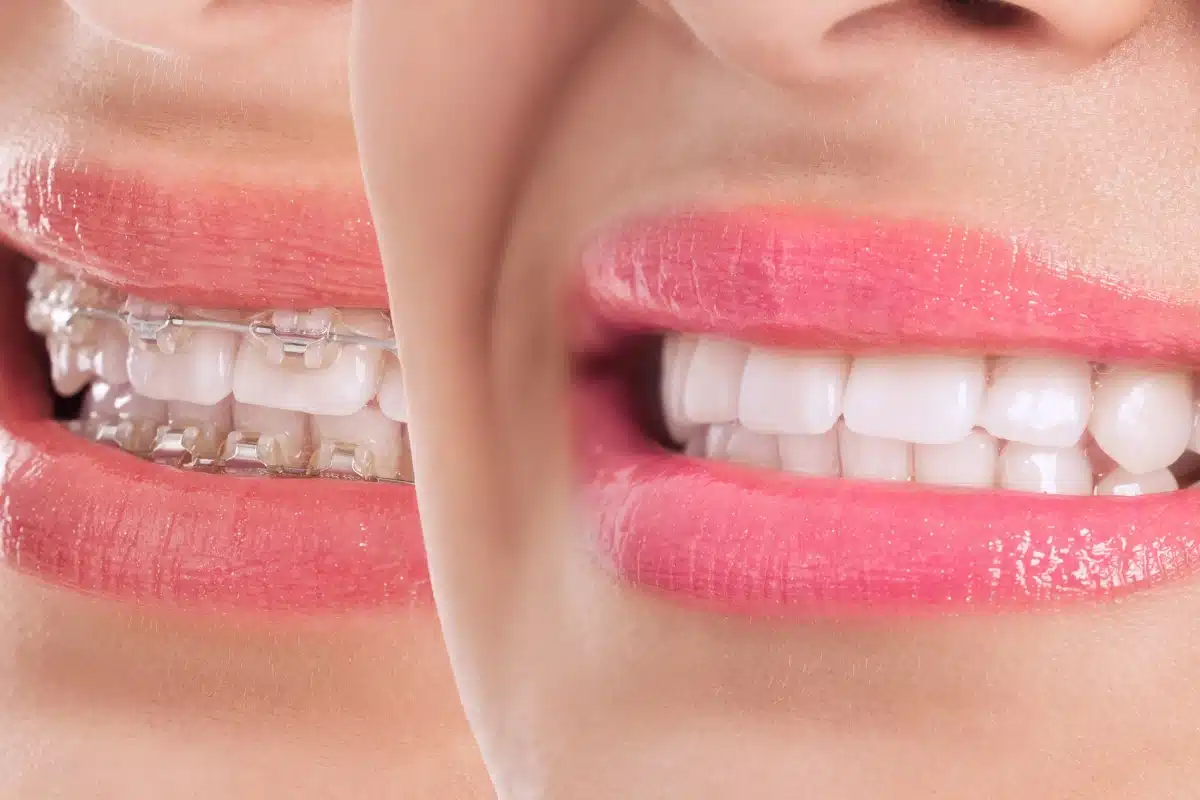
Decalcification is a common challenge many patients face after completing orthodontic treatment. It manifests as chalky white spots or lesions on the teeth, indicating early enamel demineralization. While traditional tooth aligners transform smiles, they also make cleaning harder, increasing the risk of plaque buildup and enamel damage. Addressing decalcification promptly is crucial to restore your smile’s health and prevent further complications. Below, we’ll explore effective ways to fix decalcification and maintain a strong, beautiful smile.
Understanding Decalcification: Causes and Risks
Decalcification occurs when acids from plaque and food erode minerals from the tooth enamel. This process often leads to visible white spots on the teeth’s surface, a sign of weakened enamel.
Patients who undergo orthodontic treatments like braces are particularly susceptible to decalcification because brackets and wires create additional surfaces for plaque accumulation. This makes it harder to clean effectively, especially in areas around the brackets. Other contributing factors include:
- Poor oral hygiene during treatment.
- Eating and drinking acidic or sugary snacks on a regular basis.
- A diet low in calcium and fluoride.
Without intervention, decalcified enamel can progress to cavities or deeper structural damage. Early recognition and treatment of decalcification are critical to preserving both oral health and the aesthetic benefits achieved through orthodontic care.
If you’re undergoing or have recently completed treatment with a traditional teeth aligner or Invisalign, it’s important to seek guidance from a reliable professional specializing in orthodontic treatment. These specialists can help identify decalcification early and recommend effective solutions tailored to your needs. Orthodontists in Phoenix are well-versed in addressing common post-treatment challenges like enamel demineralization, ensuring that your results remain healthy and long-lasting.
Proven Methods to Treat Decalcification
Re-Mineralization Therapy for Enamel Repair
While enamel cannot regenerate, remineralization is an effective way to restore its strength. Re-mineralization involves reintroducing lost minerals, like calcium and phosphate, into weakened enamel, helping to repair and reduce white spots.
Fluoride applications are the cornerstone of remineralization therapy. Dentists often use fluoride varnishes, gels, or prescription-strength toothpaste to promote enamel recovery. Products containing casein phosphopeptide-amorphous calcium phosphate (CPP-ACP) are also effective, as they directly supply calcium and phosphate to damaged enamel.
For patients seeking faster results, professional fluoride treatments combined with at-home care can significantly accelerate recovery. Your Phoenix orthodontists may recommend custom-fitted fluoride trays for consistent application, ensuring optimal enamel repair over time.
Microabrasion and Polishing Techniques
Microabrasion may offer a solution for patients with more pronounced white spots. This minimally invasive procedure involves gently removing the superficial layers of enamel using fine abrasives. By eliminating damaged enamel, it reduces the visibility of lesions and smoothens the tooth’s surface.
To enhance the results, dentists often follow this oral procedure with polishing. Polishing restores the tooth’s natural shine and texture, creating a more uniform appearance. However, this method is typically suited for smaller, superficial spots. Larger or deeper areas may require alternative treatments.
Whitening and Composite Bonding for Long-Term Aesthetics
Professional teeth whitening is a common follow-up treatment for addressing discoloration caused by decalcification. Hydrogen peroxide-based whitening agents lighten the teeth, reducing the contrast between decalcified spots and healthy enamel. While whitening does not repair enamel, it improves overall aesthetics by evening out tooth color.
Composite bonding may be necessary for persistent lesions. This procedure involves applying a tooth-colored resin to cover affected areas, masking imperfections, and restoring the tooth’s appearance. Composite bonding is particularly effective for larger or deeper lesions that cannot be managed through microabrasion or whitening alone.
In severe cases, veneers or crowns may be recommended to cover and protect decalcified teeth. Your dentist will assess the extent of damage to determine the best treatment option for your needs while you visit local dental clinic.
Preventing Future Decalcification
Fixing decalcification is only part of the solution. Long-term success requires proactive measures to prevent further enamel damage. Follow these steps to maintain healthy, strong teeth after the traditional orthodontic treatment:
Practice Rigorous Oral Hygiene
Use a soft-bristled brush and fluoride toothpaste to brush twice a day. Use interdental brushes or water flossers to clean hard-to-reach areas, especially around brackets or retainers.
Monitor Your Diet
Limit sugary and acidic foods and drinks that contribute to enamel erosion. Incorporate calcium-rich foods, like dairy products, leafy greens, and almonds, into your diet.
Stay Hydrated
Drinking water throughout the day helps rinse away plaque and neutralize acids.
Use Preventive Treatments
Continue using fluoride treatments as recommended by your dentist. Consider fluoride rinses or prescription-strength toothpaste for ongoing enamel protection.
Visit Your Dentist Regularly
Schedule biannual checkups at your local dental clinic to ensure early detection of potential issues.
Decalcification after braces can be disheartening, but it’s not irreversible. With the right treatments and preventive strategies, you can repair enamel damage, improve aesthetics, and protect your teeth for the future. Partnering with a skilled orthodontic specialist ensures you get expert guidance every step of the way.
Recent Posts
December 18, 2025
Keep Your Aligners Clear, Comfortable, and Effective – A Guide From Woolaver Orthodontics

December 12, 2025
Christmas Foods That Can Damage Braces – Woolaver Orthodontics Explains

December 5, 2025
Smile Transformation with Orthodontics in 2026 – Phoenix Orthodontist Explains

November 26, 2025
How To Protect Your Smile With Orthodontic Treatments During the Holidays?

November 19, 2025
Is Your Braces Feel Tighter in Cold Phoenix Winters?