
Early Orthodontics & Phase 1 Treatment in Ahwatukee, Phoenix
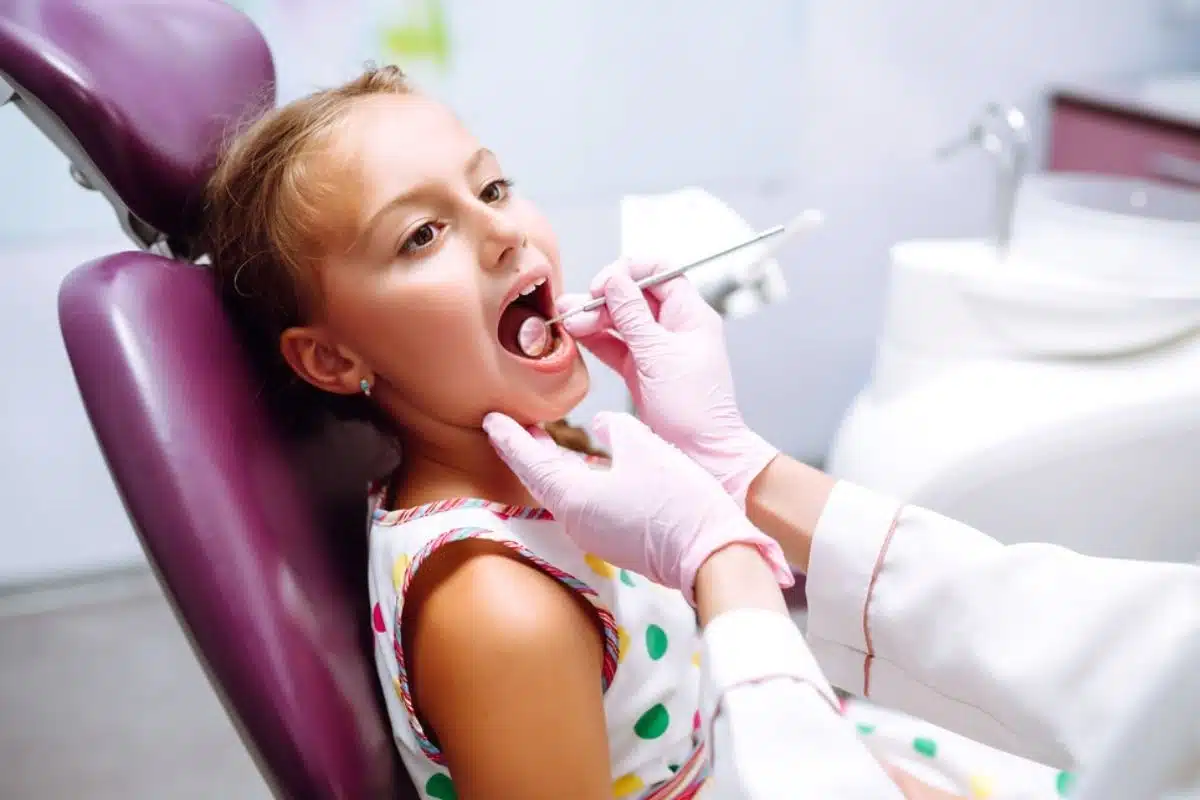
Early orthodontic care can play an important role in how your child’s smile and bite develop. At Woolaver Orthodontics, Dr. Woolaver monitors jaw growth, guides erupting teeth, and helps prevent minor concerns from becoming more complex issues later.
The American Association of Orthodontists recommends every child have an orthodontic evaluation by age 7. For most children, that first visit is reassurance — adult teeth and jaw growth are tracking normally and treatment can wait until the teen years. For some children, though, Phase 1 (early) treatment between ages 7 and 10 prevents more complex problems later. At Woolaver Orthodontics, Dr. Chris Woolaver — board-certified as a Fellow of the Royal College of Dentists of Canada (FRCDC) in the Ahwatukee Foothills since 2008 — gives parents an honest answer at the free evaluation: treat now, monitor with our Orthodontic Monitoring Program, or wait until later. We don't recommend Phase 1 treatment your child doesn't need. Below: when Phase 1 makes sense, what it costs, what the monitoring program looks like, and how to schedule your child's free evaluation.
Why an Age-7 Evaluation Matters
By age 7, your child has a mix of baby teeth and emerging adult teeth (called mixed dentition), and the jaw is still actively growing. This window matters because:
- Adult teeth are erupting — Dr. Woolaver can see how they're coming in and whether there's room
- Jaw growth can still be guided with appliances if needed (palatal expanders, partial braces)
- Crossbites, severe crowding, and protruding front teeth are easier to correct now than later
- Habits like thumb-sucking, mouth-breathing, or tongue thrusting can be addressed before they affect adult tooth position
- Most kids leave the first visit with no recommended treatment — and their parents leave with peace of mind
The age-7 evaluation at Woolaver Orthodontics is completely free. Dr. Woolaver examines your child personally, explains what he sees in plain language, and tells you honestly whether to act now, wait, or simply monitor.
Is Phase 1 Treatment Right for Your Child?
Phase 1 treatment isn't for every child, and we'd rather monitor than over-treat. Phase 1 is typically recommended when Dr. Woolaver sees:
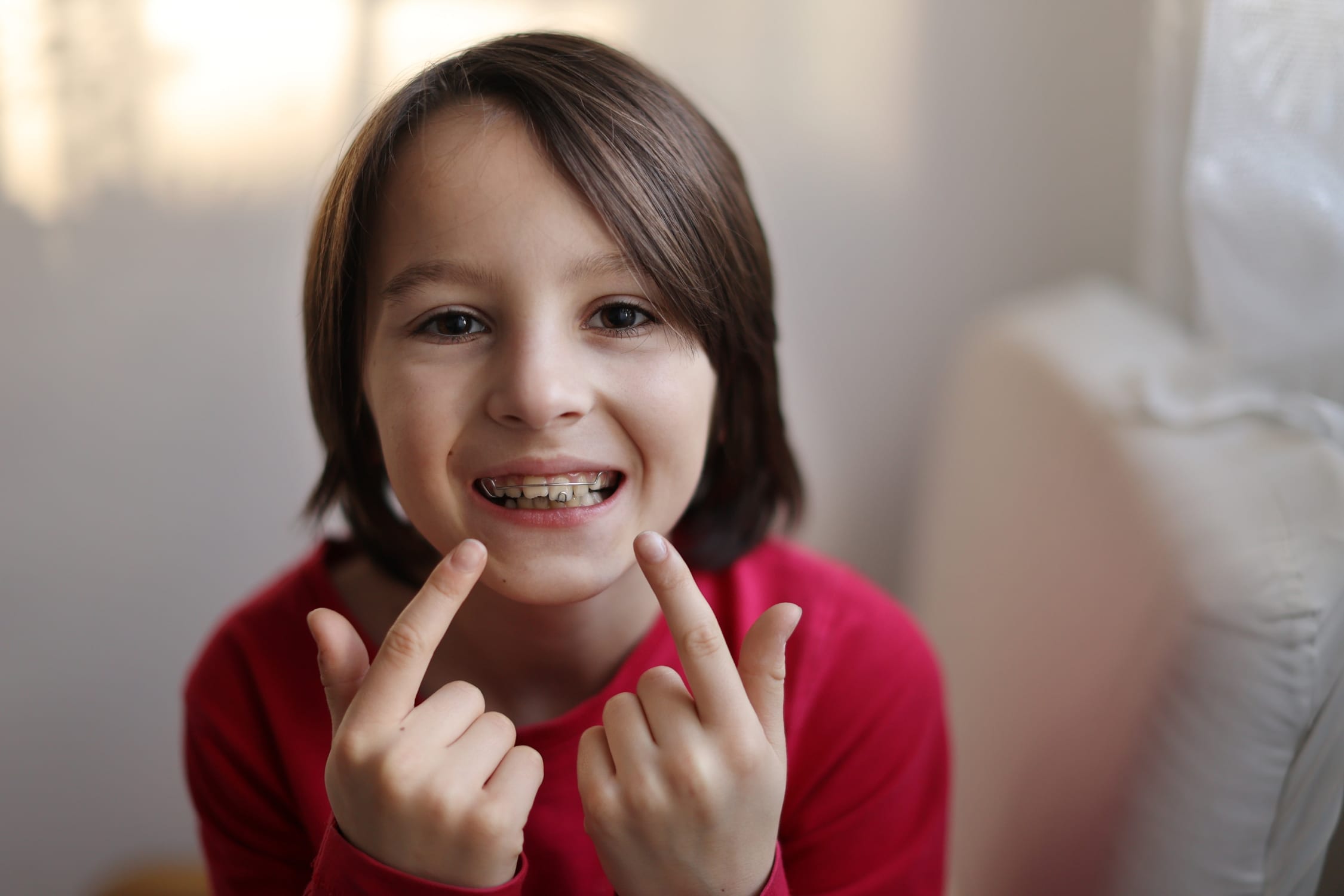
- Severe crowding — adult teeth don't have enough room to come in
- Crossbites — upper teeth fitting inside lower teeth (front or back)
- Significant overbite or underbite with skeletal involvement
- Narrow upper jaw that benefits from a palatal expander
- Habits affecting tooth position — thumb-sucking, tongue thrust, mouth-breathing
- Premature loss of baby teeth that may cause adult teeth to drift
- Protruding front teeth at risk of injury during sports
If your child shows none of these or they're mild and likely to resolve naturally, Dr. Woolaver will recommend our Orthodontic Monitoring Program instead.
Our Orthodontic Monitoring Program
Many kids fall in the "not yet, but maybe later" range — adult teeth still erupting, jaw growth still in progress, no clear indication for treatment yet. Other practices send those kids home with "come back if something changes." We do something different.
The Orthodontic Monitoring Program keeps your child in our care between the first evaluation and the time treatment is actually needed. Every 6–8 months, your child comes in for a brief check-in (no charge) so Dr. Woolaver can:
- Track adult tooth eruption
- Watch for jaw growth changes
- Catch developing problems early
- Reassure you that nothing is being missed
When the timing is right for treatment — Phase 1, comprehensive braces, or Invisalign Teen — Dr. Woolaver will tell you. Until then, your child stays on our radar without paying for treatment they don't need.
What Phase 1 Treatment Looks Like
Phase 1 treatment is shorter and more targeted than full braces. Most cases run 6–12 months using one or more of these appliances:
- Palatal expander — gently widens a narrow upper jaw to make room for adult teeth (usually 6–9 months)
- Partial braces — brackets on a few key teeth to align them or guide eruption
- Space maintainers — hold space for adult teeth when a baby tooth is lost early
- Habit appliances — discourage thumb-sucking or tongue thrust
- Headgear or face mask — for specific skeletal corrections (less common)
After Phase 1, there's typically a rest period (1–4 years) while remaining adult teeth come in. Some children need Phase 2 (comprehensive braces or Invisalign Teen) later; others don't need anything else.
Why a Specialist Matters for Phase 1
Phase 1 treatment decisions are nuanced — they balance current bite issues against ongoing jaw growth and tooth eruption that haven't happened yet. Dr. Woolaver completed a full three-year orthodontic specialty residency focused entirely on tooth movement, jaw growth, and bite correction. The judgment calls — "Is this child ready?", "Will this resolve on its own?", "What appliance will work without affecting later treatment?" — are exactly what specialist training prepares for.
A general dentist who offers braces as a side service typically learns the basics in continuing-education courses. For Phase 1 specifically — where the wrong call can mean unnecessary treatment now or missed opportunities for prevention — specialist judgment matters most.