
Braces in Ahwatukee, Phoenix
Modern Treatment from a Specialist Orthodontist
Braces have changed dramatically in the last decade. The bracket-and-wire systems your parents wore are not what we use today. At Woolaver Orthodontics in the Ahwatukee Foothills, Dr. Chris Woolaver — a board-trained orthodontic specialist since 2008 — uses American-made self-ligating braces paired with NASA-developed nickel-titanium wires.
The result: faster tooth movement, less pressure, fewer adjustment visits, and shorter total treatment time than older systems. Whether you're considering braces for your child, your teen at Mountain Pointe or Desert Vista, or yourself, this page explains your options, what they cost in Arizona, and why specialist-led braces care produces a better outcome than braces offered as a side service at a general dental practice.

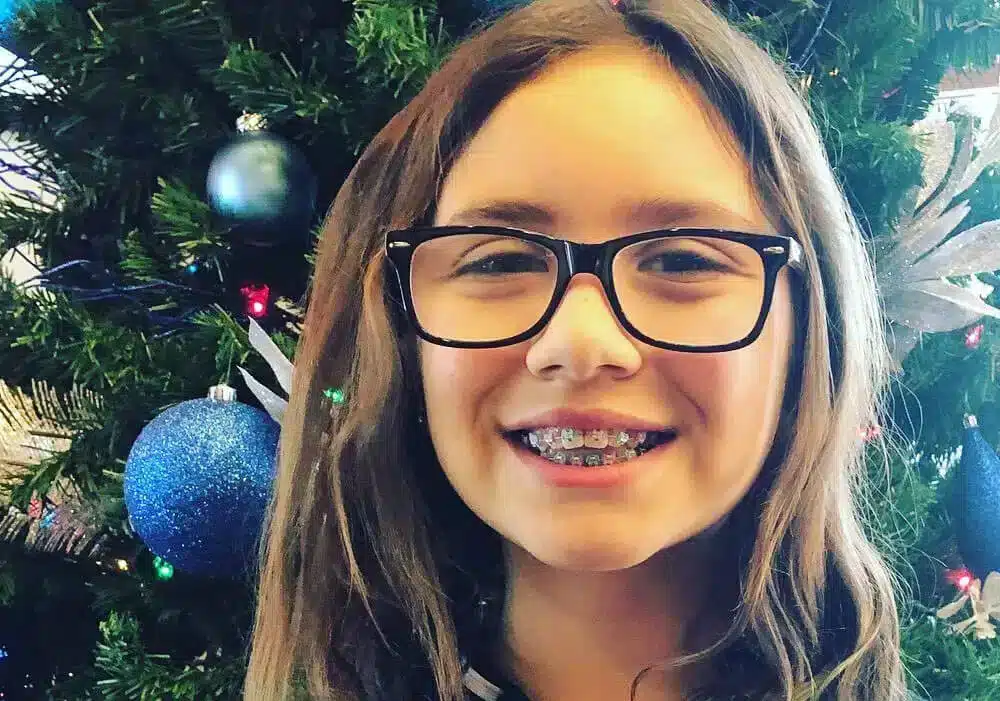
Kylie and Jessica both chose clear braces
Why Modern Braces Beat Older Systems
Three things make today's braces work better:
- Self-ligating brackets — these hold the wire in place without elastic ties. That means less friction, less pressure on teeth, and shorter adjustment appointments. Teeth move more freely toward their target position.
- Heat-activated NASA-alloy wires — nickel-titanium wires originally developed for NASA shape-memory applications. They apply gentle, continuous force at body temperature, which moves teeth more predictably and comfortably than older stainless steel wires.
- Specialist case planning — the technology only works as well as the orthodontist directing it. A board-trained specialist with thousands of cases plans bracket placement and wire sequence with far more precision than a general dentist who places braces occasionally.
At Woolaver Orthodontics, we use brackets from American Orthodontics in Sheboygan, Wisconsin, a manufacturer trusted by specialists for consistent quality. Lower-cost imported brackets exist, but they typically extend treatment time by months and add 10–15 unnecessary office visits over the course of treatment. Cheaper brackets aren't actually cheaper.
Types of Braces We Offer
Metal Self-Ligating Braces
The workhorse option. Today's metal brackets are smaller, smoother, and more efficient than older models. Best for:
- Children and teens (durable, cost-effective)
- Complex cases where maximum control matters
- Patients who prefer the lowest treatment cost
Clear Ceramic Braces
Tooth-colored or clear brackets that blend into your smile. Function identically to metal braces but visually discreet. Best for:
- Teens and adults who want braces but not the metallic look
- Patients with school photos, weddings, or professional events during treatment
- Cases that require braces (not Invisalign) but visibility matters
Self-Ligating Advanced Systems
Our standard for most adult cases — modern self-ligating brackets reduce friction and adjustment frequency. Patients typically see:
- Fewer adjustment appointments (every 6–8 weeks vs. every 4 weeks)
- Less pressure during each adjustment
- Often shorter total treatment time
- Less plaque buildup (no elastic ties trapping food)
Dr. Woolaver discusses which system best fits your case at the consultation.
Braces for Kids, Teens & Adults
Kids (ages 7–14): The American Association of Orthodontists recommends every child have an orthodontic evaluation by age seven. Some children benefit from Phase 1 (early) treatment to intercept jaw growth issues; others wait for full braces in the early teens. We offer free Phase 1 evaluations for Ahwatukee families.
Learn about early orthodontics →
Teens (ages 11–18): Most full-braces cases happen here. Teen patients at Mountain Pointe High School, Desert Vista, BASIS Ahwatukee, and the Kyrene District middle schools make up a significant portion of our practice. We schedule around school sports, instruments, and social calendars — early-morning and late-afternoon appointments available.
Adults: Roughly one in four of our patients is an adult. It's never too late, and modern braces (especially clear ceramic) handle adult cases discreetly. Many adults choose Invisalign instead — Dr. Woolaver helps you decide which fits your case and lifestyle. Compare Invisalign vs. braces →
How Long Does Braces Treatment Take?
Most comprehensive braces cases finish in 12 to 24 months. Specific timelines depend on:
- Severity of crowding, spacing, or bite issues
- Whether jaw growth is still happening (children/teens)
- Patient compliance with appointments and care instructions
- Brackets and wire system used
Phase 1 early treatment for children typically runs 6–12 months. Minor adult cases can finish in under 12 months. Dr. Woolaver gives you a specific timeline at your consultation — not a vague range.
Caring for Braces During Treatment
Quick essentials:
- Brush after every meal with a soft-bristle toothbrush; floss daily using floss threaders or a water flosser
- Use an interdental brush to clean around brackets and under wires
- Avoid hard, sticky, and chewy foods — popcorn kernels, hard candy, ice, taffy, gum
- Wear a mouthguard for sports — call us for a braces-friendly fit
- Drink water throughout the day to rinse food particles
- Come to every adjustment appointment — missed appointments extend treatment
We send every patient home with detailed care guides and a 24/7 text line for between-visit questions. For specific situations, see How to Brush with Braces On, How to Handle a Pokey Wire at Home, and our Ultimate Guide to Preventing Discomfort While Wearing Braces.
Frequently Asked Questions
Choosing the right type of braces is an important decision. Here are helpful answers to common questions about braces and treatment options.