
November 19, 2025
/
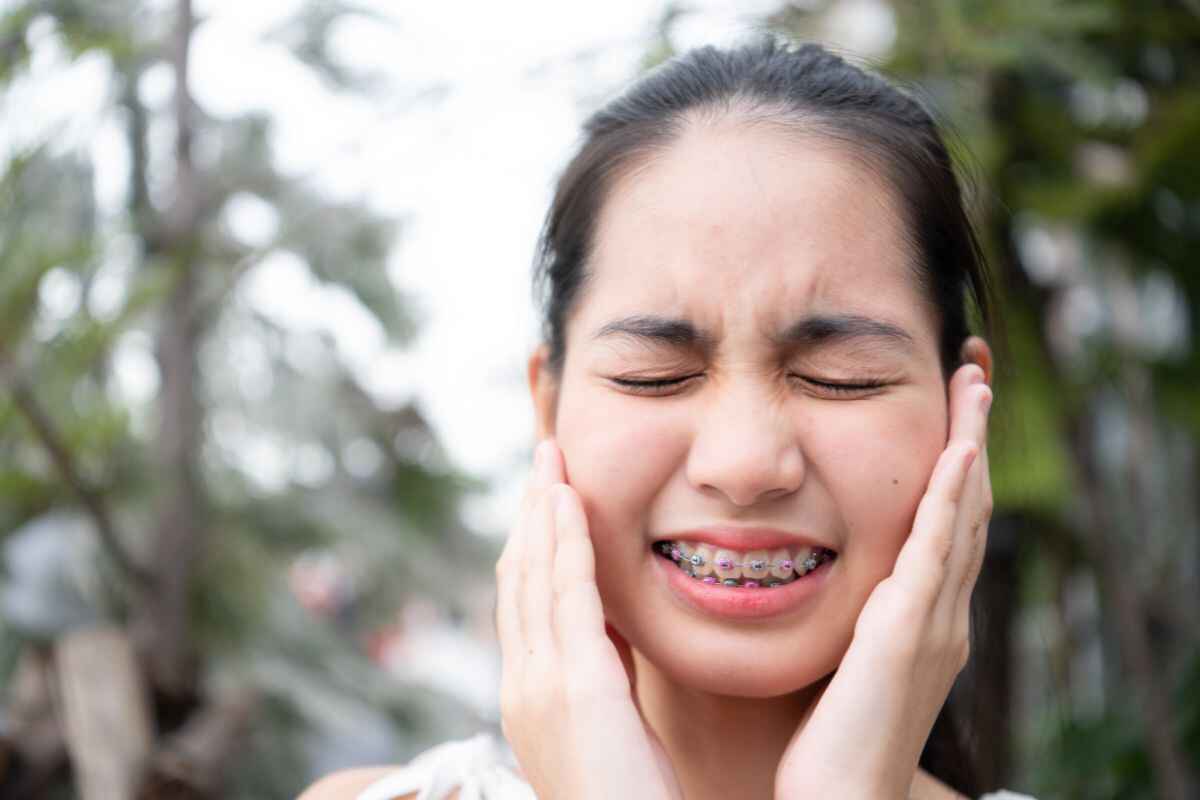
Cold mornings in Phoenix may be brief, but they’re enough to make you notice small changes in how your mouth feels.
Cold air can make the metal in your braces contract slightly and can also make your teeth and supporting tissues more sensitive, which together create that extra pressure you feel. Shifts between warm foods and chilly weather, along with normal winter habits, can make the sensation even stronger.
In this post, we will explain the reasons why your braces cause tightness on your gum and you feel discomfort.
Reasons Why You Feel Tighter With Braces in Cold
When patients start their braces treatment with us in Phoenix, they often tell us they experience increased tightness in the braces during the winter season. The reason is that the cold air affects the materials of braces and the tissues in the mouth.
1. Metal Wires Contract in Low Temperatures
Orthodontic wires respond to temperature shifts. Cold air can make the wire contract slightly, which increases the pressure it places on your teeth. Even though the change is small, your mouth is sensitive enough to feel it.
2. Your Teeth and Ligaments React to Temperature
The periodontal ligaments that support your teeth tighten when exposed to cold. When they contract at the same time your braces slightly tighten, the combined effect can feel like added pulling or tension.
3. Mouth Breathing on Chilly Mornings
Breathing cold air directly over your brackets during early walks, commutes, or exercise can cool the metal quickly. This sudden temperature change can create that “tight squeeze” sensation.
4. Dietary Affects
Winter eating habits can add to the sensation of tightness. Hot foods followed by cold air create quick temperature swings on your brackets. Chewy comfort foods and seasonal treats also make you bite down harder, which can leave your teeth feeling sorer and make the pressure from your braces stand out more.
What You Can Do to Reduce The Discomfort
You can manage temperature-related sensitivity with a few simple habits:
• Keep Warm Water Handy
Sip warm (not hot) water when you’re outside. This helps keep the wire at a comfortable temperature and relaxes the periodontal ligaments.
• Use a Mouth Cover in the Morning
A light scarf or mask can shield your mouth from cold air and prevent sudden temperature drops.
• Avoid Ice-Cold Drinks in Winter
Cold beverages can trigger the same tightening sensation, so room-temperature fluids are your friend.
• Slow, Gentle Breathing
Breathing through your nose warms the air naturally and prevents sudden cold from hitting your brackets.
• Over-the-Counter Relief
If you’ve recently had an adjustment, a little soreness is expected. Mild pain relievers can help on days when cold weather adds to that pressure.
Why Phoenix Patients Notice It More Than Expected
It isn’t the harsh winters, but the desert climates that can swing quickly. Warm afternoons often drop to cold nights that settle in your mouth before you’ve even fully woken up. Those rapid temperature changes can make the sensitivity feel more pronounced.
Another factor: many people here spend more time outdoors during winter since it’s one of the most comfortable seasons here. More time outside means more exposure to cold air, which means more opportunities for your braces to contract and create that tight feeling.
Having Discomfort With Your Braces? Woolaver Orthodontics is Here for You
If winter tightness or any other braces discomfort has you second-guessing what’s normal, contact us to schedule a consultation and visit our orthodontic Office. We’ll take a close look, answer your questions, and make sure everything is moving the way it should. Your comfort matters, and we’re always just a call away.
Frequently Asked Questions
1. Why do my braces feel tighter when the weather gets colder?
Cold temperatures can cause the metal components of braces to contract slightly, which may create a sensation of increased pressure on your teeth. Additionally, cold weather can make teeth more sensitive in general, making normal orthodontic pressure feel stronger.
2. Is it normal for my teeth to feel sore during colder months?
Yes. Many people experience heightened tooth sensitivity in cold weather, especially if they have braces. The combination of contracting metal and naturally sensitive teeth can lead to temporary soreness.
3. How can I reduce discomfort from braces during cold winters in Phoenix?
Try drinking warm (not hot) beverages, avoiding iced drinks, using orthodontic wax, taking over-the-counter pain relievers if recommended by your orthodontist, and maintaining good oral hygiene. Warming foods can also help ease sensitivity.
4. Should I contact my orthodontist if my braces feel tighter in the cold?
If the tightness or soreness is mild and goes away within a day or two, it’s usually normal. However, if the discomfort is severe, persistent, or accompanied by broken wires or brackets, you should contact your orthodontist for an evaluation.
Recent Posts
December 18, 2025
Keep Your Aligners Clear, Comfortable, and Effective – A Guide From Woolaver Orthodontics

December 12, 2025
Christmas Foods That Can Damage Braces – Woolaver Orthodontics Explains

December 5, 2025
Smile Transformation with Orthodontics in 2026 – Phoenix Orthodontist Explains
November 26, 2025
How To Protect Your Smile With Orthodontic Treatments During the Holidays?
November 19, 2025
Is Your Braces Feel Tighter in Cold Phoenix Winters?