
July 31, 2025
/
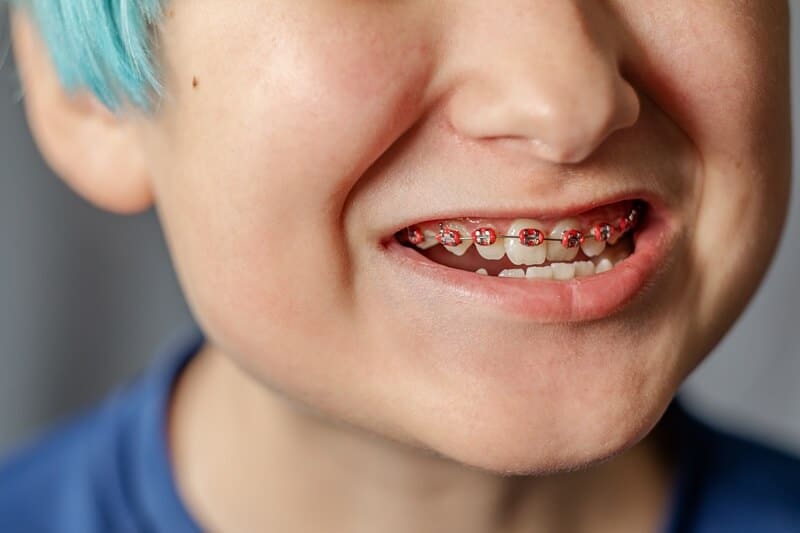
As a parent, you want to make sure your child’s smile is healthy and develops properly. But how do you know when it’s time to consider braces? If you’ve noticed that your child’s teeth are crooked, their bite seems off, or you’re simply wondering if they’re on the path to a beautiful smile, consult with an orthodontist.
In this blog, we’ll explain the signs that might indicate your child may need braces, so you can make the best decision for your child’s oral health.
6 Common Signs Your Child Might Need Braces
Braces can help correct a variety of dental issues, and sometimes the signs aren’t always obvious. Here are some of the most common indicators that your child may need braces:
1. Crowded or Crooked Teeth
One of the most noticeable signs that your child may need braces is when their teeth appear crowded or crooked. This can make it difficult for them to properly clean their teeth, which can lead to plaque buildup and increased risk of cavities.
2. Overbite or Underbite
If your child’s upper teeth significantly overlap their lower teeth (overbite) or their lower teeth extend beyond their upper teeth (underbite), it may be time for an orthodontic consultation. These bite issues can cause difficulty with chewing or speaking and may affect overall jaw health.
3. Gaps Between Teeth
While some gaps between teeth are normal, if your child has unusually large gaps or spacing, it could indicate that the teeth are not aligning properly. This is another situation where braces can help close the gaps and improve the overall bite.
4. Difficulty with Chewing or Speaking
If your child is having trouble chewing or speaking clearly, this could be a sign of an issue with their bite. Braces correct teeth and jaw alignment, which improves both how they function and how they look
5. Jaw or Teeth Pain
If your child is experiencing frequent jaw pain, headaches, or discomfort when chewing, it could be due to misalignment of the teeth or jaw. These symptoms are often alleviated by orthodontic treatment.
6. Early or Late Loss of Baby Teeth
A child’s baby teeth typically fall out between ages 6 and 12. Braces can help guide the development of adult teeth in cases where baby teeth are lost either too early or too late. In some cases, early intervention with braces can help guide the development of adult teeth.
When Should You Take Your Child to the Orthodontist?
If any of these signs concern you, or if you simply have questions about your child’s dental health, we recommend scheduling a consultation with your orthodontist. In general, the American Association of Orthodontists recommends that children have their first orthodontic evaluation by the age of 7.
This doesn’t necessarily mean your child will need braces right away. In fact, some children may not need treatment until their teen years. However, an early evaluation allows us to catch any potential issues before they become more serious problems, helping your child have the best chance for a healthy, beautiful smile.
What to Expect During an Orthodontic Evaluation
During your child’s orthodontic evaluation, your orthodontist will examine their teeth, mouth, and bite. They may take impressions of your child’s teeth to get a clear picture of how their teeth are developing.
If braces are needed, your orthodontist will work with you to find the best time to start treatment and provide guidance on what to expect during the process. In some cases, early intervention (such as space maintainers or expanders) might be recommended to help guide the development of their teeth.
Give Your Child a Healthy Smile With Braces in Ahwatukee, Phoenix
At Woolaver Orthodontics, we understand how important your child’s smile is to their overall health and confidence. If you’ve seen any of the signs from this post or have questions about your child’s orthodontic health, contact us to schedule a consultation with Dr. Chris Woolaver.
Frequently Asked Questions
What is the best age for a first orthodontic visit?
It is recommended that children have their initial orthodontic evaluation by age 7. This allows an orthodontist to proactively monitor your child’s jaw growth and adult tooth eruption, which can help detect and correct minor issues before they become more complicated.
Does my child need braces right away after their first consultation?
No, not always. The purpose of the first visit is for an evaluation and to create a treatment plan if one is necessary. Many children may not need any intervention right away, with treatment potentially beginning several years later. We’ll work with you to find the most effective time to start.
How long do braces take for a child?
The duration of orthodontic treatment is unique for each patient, but most children wear braces for approximately 18 to 24 months. The specific length of time depends on the complexity of the case. During your consultation, we can give you a more accurate estimate.
What are the alternatives to traditional braces for kids?
Traditional braces aren’t the only option available. Depending on your child’s specific needs, alternatives can include clear aligners, which are popular with older teens, or other appliances like space maintainers and palatal expanders for earlier treatment. We can explore which option is best for your child’s smile during their consultation.
Recent Posts
December 18, 2025
Keep Your Aligners Clear, Comfortable, and Effective – A Guide From Woolaver Orthodontics

December 12, 2025
Christmas Foods That Can Damage Braces – Woolaver Orthodontics Explains

December 5, 2025
Smile Transformation with Orthodontics in 2026 – Phoenix Orthodontist Explains
November 26, 2025
How To Protect Your Smile With Orthodontic Treatments During the Holidays?

November 19, 2025
Is Your Braces Feel Tighter in Cold Phoenix Winters?