
September 25, 2025
/
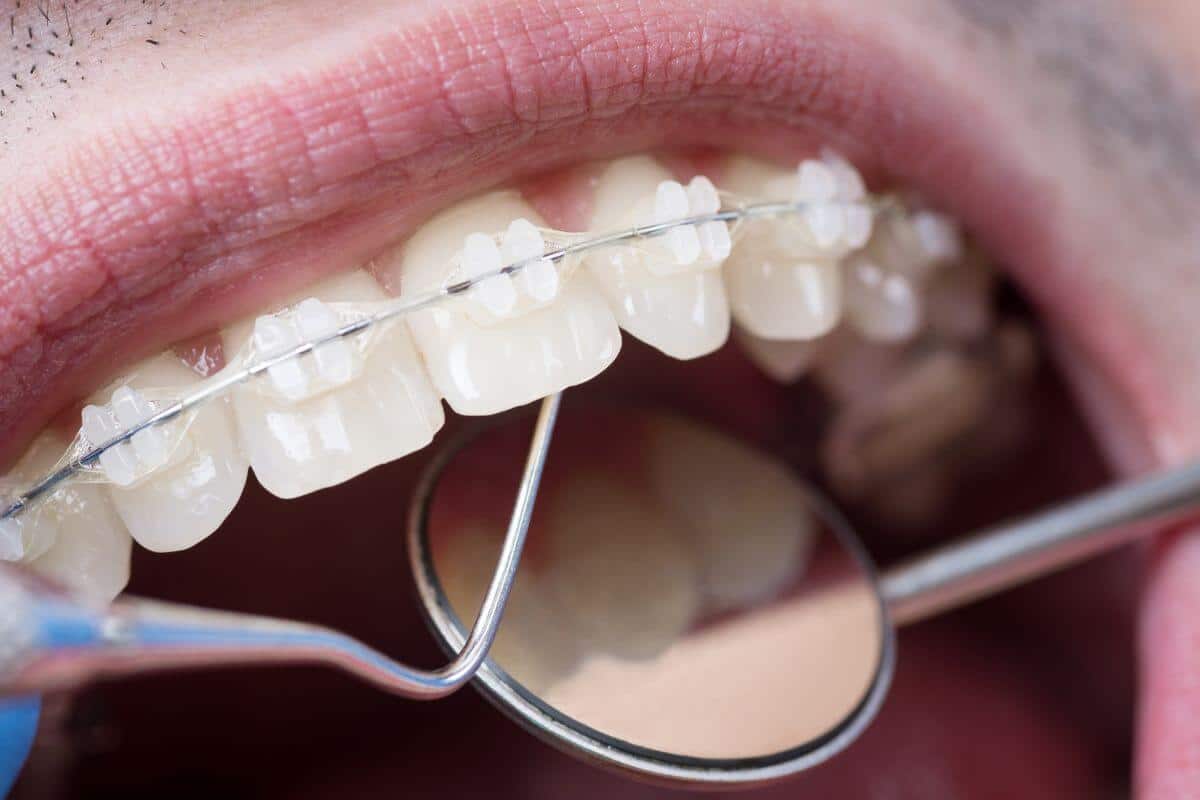
In the first few weeks after getting ceramic braces, it’s common to feel soreness in your teeth, pressure along the gums, and some rubbing where the brackets touch the inside of your cheeks. These early symptoms are part of the normal adjustment period as your teeth begin to shift. For most people, the first week is the most noticeable, but discomfort tends to fade quickly as your mouth gets used to the new routine.
In this post, we’ll explain what it’s like to adjust to life with ceramic braces during the early days of treatment, identify what’s normal, and suggest what you can do to stay comfortable.
Discomfort You Can Expect From Ceramic Braces
1. Some Soreness Is Normal, But It Fades
After your ceramic braces are first placed, it’s completely normal for your teeth to feel a bit sore or sensitive. This usually starts within a few hours and can last for a few days as your teeth begin to respond to the new pressure.
You might also notice a dull ache or a feeling of tightness when biting into food. That’s a good sign that your braces are starting to do their job. The soreness tends to come and go during the first few weeks, especially after adjustments, but most people find that it becomes much easier to manage after the initial adjustment period.
2. Your Lips and Cheeks May Need Time to Adjust
Ceramic brackets are smooth and rounded, but your mouth still needs a little time to get used to having them there. The inside of your lips and cheeks might feel irritated during the first week or two.
3. Speech Might Feel Slightly Off at First
Some people notice a slight change in their speech in the beginning, especially if brackets are placed on the front teeth or near the tongue. This usually sorts itself out pretty quickly.
4. Adapting Your Diet
Ceramic braces are strong, but they still require a bit of care during eating. During the first few days, it’s best to stick with soft foods like yogurt, mashed potatoes, scrambled eggs, pasta, and smoothies.
Avoid biting into anything hard or sticky foods like apples, nuts, popcorn, and chewy candy because these can damage the brackets or wires.
5. Oral Hygiene Becomes More Important Than Ever
Ceramic brackets are designed to blend in with your teeth, but that also means they can be more prone to staining if you’re not careful. Staying on top of brushing and rinsing is key during this time.
6. Follow Up Visits To Check Progress
In the first few weeks, you’ll have follow-up visits with your orthodontist so they can check your progress, make minor adjustments, and answer any questions. These early check-ins are important for making sure everything is working as it should and that you’re feeling comfortable with the process.
Managing Discomfort and Pain
Take over-the-counter pain relievers: Medications like ibuprofen or acetaminophen can ease tooth soreness and jaw pressure during the first few days after getting your braces.
Apply orthodontic wax: Cover any brackets or wires causing irritation with wax to reduce friction and protect the inside of your cheeks and lips.
Rinse with warm salt water: Swishing a saltwater solution a few times a day can soothe tender areas and help your mouth heal faster.
Stick to soft foods: Eating pasta, yogurt, smoothies, and other soft meals can prevent added pressure on sore teeth and reduce chewing discomfort.
Use a cold compress: Applying a cold pack to the outside of your jaw can help reduce inflammation and dull soreness in the first few days.
Avoid hard or sticky foods: Limiting tough or chewy items prevents unnecessary pressure on your teeth and helps avoid broken brackets.
Check for poking wires: If a wire feels sharp or is irritating your mouth, let your orthodontist know. In the meantime, use wax or a cotton swab to reduce discomfort.
Start Your Braces With Woolaver Orthodontics Today
Starting your ceramic braces is an exciting step, but it’s normal to have questions or a few bumps in the road during the first few weeks. At Woolaver Orthodontics, we’re here to guide you through each part of the process.
Give us a call at (928) 593-4033, our team in Ahwatukee, Phoenix is here to make your treatment as smooth and comfortable as possible, from day one to your final smile reveal.
FAQs
How long does it take for ceramic braces to work?
Ceramic braces typically take 18 to 36 months to straighten teeth, depending on the complexity of your case. They work at a similar pace to metal braces but may require slightly longer in some cases due to the friction between the brackets and wires.
What happens in the first month of braces?
In the first month, your teeth begin shifting as the braces apply gentle pressure. You may experience soreness, mild irritation, and changes in your eating and brushing habits. Follow-up appointments are usually scheduled to check progress and make small adjustments.
What are the pros and cons of ceramic vs. metal braces?
Ceramic braces are less noticeable and blend with your teeth, making them a popular choice for adults and teens. However, they can be more fragile and slightly slower than metal braces. Metal braces are more durable and sometimes work faster but are more visible.
Do ceramic braces stain easily?
The ceramic brackets themselves resist staining, but the clear elastic ties used with them can discolor from foods and drinks like coffee or curry. Good oral hygiene and regular appointments help keep them clean and clear.
Recent Posts
December 18, 2025
Keep Your Aligners Clear, Comfortable, and Effective – A Guide From Woolaver Orthodontics

December 12, 2025
Christmas Foods That Can Damage Braces – Woolaver Orthodontics Explains

December 5, 2025
Smile Transformation with Orthodontics in 2026 – Phoenix Orthodontist Explains

November 26, 2025
How To Protect Your Smile With Orthodontic Treatments During the Holidays?

November 19, 2025
Is Your Braces Feel Tighter in Cold Phoenix Winters?