
May 14, 2025
/
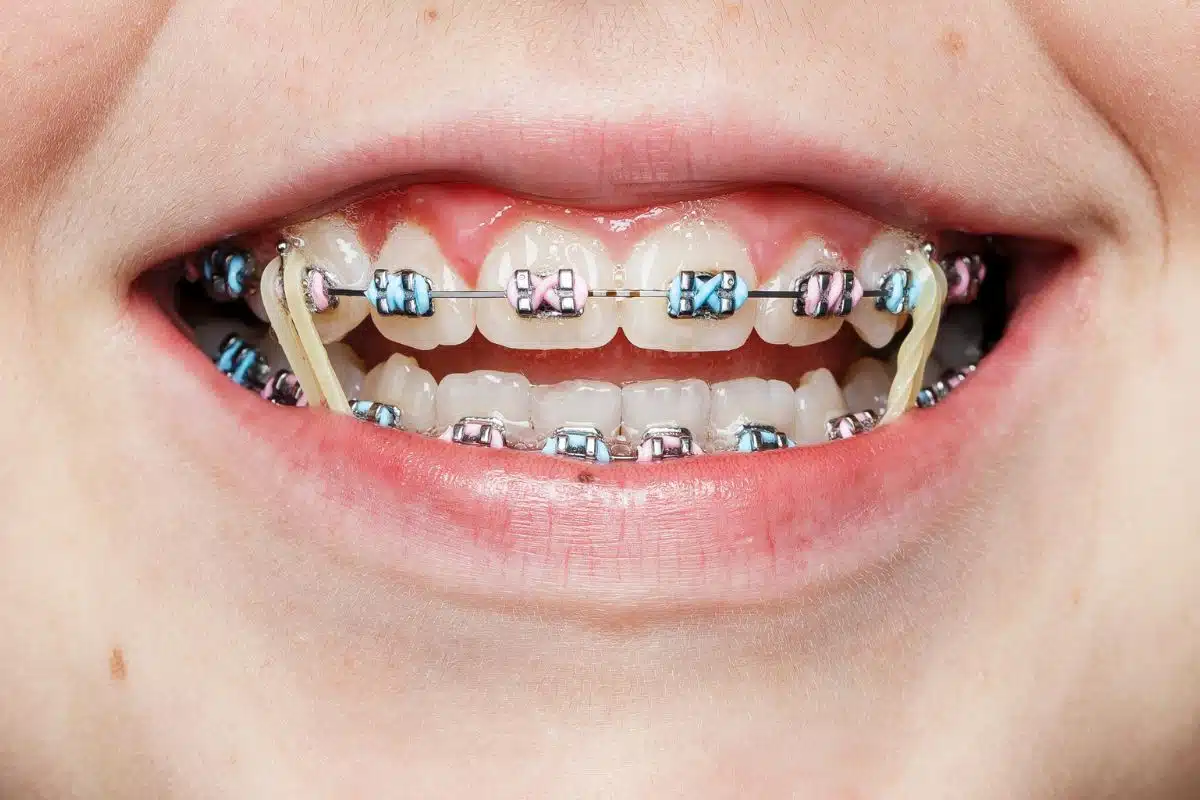
If you or your child are wearing braces, you might have been given a small bag of rubber bands to take home. At first glance, they don’t look like much. But these tiny elastics actually play a big role in how your smile takes shape during treatment.
Rubber bands help fix how the upper and lower teeth come together. Without them, braces alone might not be enough to give you the proper bite. So while they’re small, they’re a pretty important part of the process.
What Are Orthodontic Rubber Bands?
Orthodontic rubber bands, also called elastics, are small loops made of medical-grade latex or synthetic material. Rubber bands attach to the brackets on your braces and apply gentle pressure that helps move your jaw and teeth into the right position.
Unlike the kind of rubber bands you’d find around your desk at work, these are made specifically for orthodontics. They come in different sizes and strengths depending on what your bite needs.
Why Are Rubber Bands Needed in Orthodontics?
Braces are great for straightening teeth, but they don’t always fix how your top and bottom teeth fit together. That’s where rubber bands come in.
They’re used to:
- Correct bite problems like overbites, underbites, and crossbites
- Adjust the position of the jaw
- Help your teeth line up properly when you bite down
Essentially, rubber bands help guide everything into the right place so your smile not only looks better but also functions better.
How Are They Worn?
Your orthodontist will show you exactly how to wear the rubber bands. Usually, they’re hooked from one bracket on the top teeth to another on the bottom. The placement depends on the type of correction needed.
Some people wear them vertically, others diagonally, and sometimes in triangle shapes. Each setup is customized for your bite and treatment goals.
Tips for Wearing Them Properly
Wearing rubber bands correctly and consistently affects how well and quickly your treatment progresses. Here are a few tips to keep in mind:
- Follow your orthodontist’s instructions. Most patients are asked to wear them all day and even while sleeping.
- Change them often. Rubber bands lose their strength after a few hours, so replacing them a few times a day is important.
- Keep extras with you. Always have a spare set in your bag, car, or pocket in case one breaks.
- Don’t double up. Wearing more bands than prescribed won’t speed things up and can actually cause problems.
What If You Forget to Wear Them?
It’s easy to skip a day here and there, but inconsistent wear slows everything down. You might end up in braces longer than expected, or need extra appointments to make up for lost progress.
Wearing rubber bands as directed is one of the most effective ways to stay on schedule with your treatment.
Common Questions and Concerns
Do Rubber Bands Hurt?
You might feel some pressure or tightness when you first start wearing them, especially during the first few days. That’s normal. It just means the rubber bands are doing their job. Most people adjust quickly, and any soreness usually fades on its own.
Can I take them out to eat?
Yes, in most cases, you can (and should) remove your rubber bands when eating. Taking them out during meals prevents them from snapping or getting food stuck in them, which can make things uncomfortable or unsanitary.
What if I forget to wear them?
If you forget to wear your rubber bands for a few hours, just put a new set in as soon as you remember. But if it becomes a habit, it can slow down your progress and may even extend your overall treatment time.
Need Help With Braces or Rubber Bands?
If you have questions about how rubber bands work or need help with any part of orthodontic treatment, Dr. Chris Woolaver is here to support you. We’re committed to making the process clear, comfortable, and effective from start to finish.
Book an appointment here to schedule your visit to our Ahwatukee, Phoenix, AZ dental office.
Recent Posts
December 18, 2025
Keep Your Aligners Clear, Comfortable, and Effective – A Guide From Woolaver Orthodontics

December 12, 2025
Christmas Foods That Can Damage Braces – Woolaver Orthodontics Explains

December 5, 2025
Smile Transformation with Orthodontics in 2026 – Phoenix Orthodontist Explains

November 26, 2025
How To Protect Your Smile With Orthodontic Treatments During the Holidays?

November 19, 2025
Is Your Braces Feel Tighter in Cold Phoenix Winters?