
September 19, 2024
/
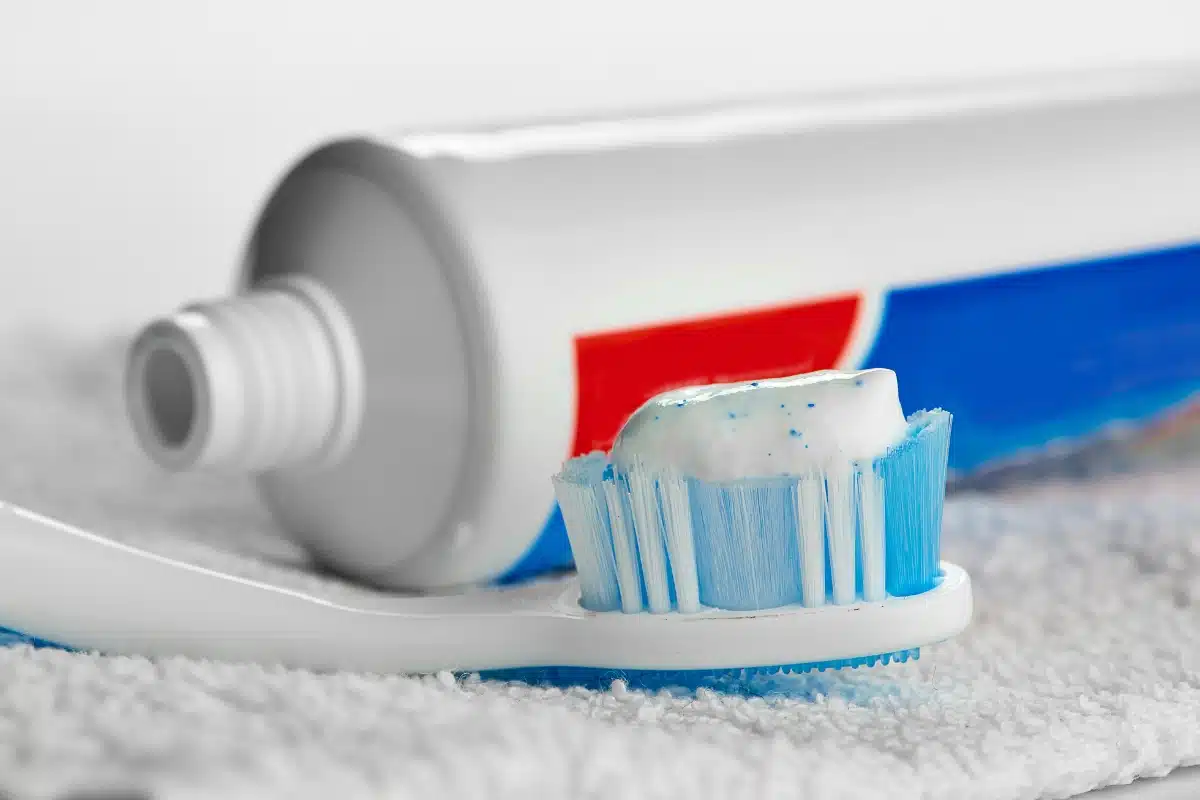
Braces are a significant investment in both time and money for those looking to improve their smile. One question that often arises among braces wearers is whether certain ingredients in toothpaste, like salt, can cause the metal parts of their braces to rust. Let’s dive into the science behind this to see if it’s something to be concerned about.
Understanding Braces and Their Material Composition
What Are Braces Made Of?
Braces are typically made from strong, durable materials designed to withstand the wear and tear of daily use. The metal parts, such as the brackets and wires, are usually made from stainless steel or titanium alloys. These metals are chosen because they are highly resistant to rust and corrosion. Stainless steel, in particular, contains chromium, which forms a protective layer when exposed to air, preventing rusting.
Why Do People Worry About Rusting Braces?
When people think about metal and rust, they often picture household items like tools or outdoor furniture that rust when exposed to moisture. Naturally, this leads to concerns that the metal components of braces might experience the same fate. However, it’s important to understand that the metals used in braces are designed specifically for long-term wear in the moist environment of the mouth.
Composition of Toothpaste
What’s Inside Toothpaste?
Toothpaste is a staple of oral hygiene and contains various ingredients that help clean teeth and protect against cavities. Some of the common components include:
- Fluoride: Strengthens enamel and prevents cavities.
- Abrasives: Help remove plaque and stains.
- Detergents: Create foam to distribute the toothpaste in your mouth.
- Humectants: Retain moisture to prevent toothpaste from drying out.
- Salt: In some formulations, salt is added as a natural abrasive and antibacterial agent.
Why Is Salt Used in Toothpaste?
Salt has been used for centuries as a natural cleanser and disinfectant. In toothpaste, it acts as a mild abrasive, helping to scrub away plaque and food particles. Additionally, salt has antibacterial properties that can reduce the presence of harmful bacteria in the mouth, promoting better oral health.
The Interaction Between Salt and Metal
Does Salt Cause Corrosion?
Salt can indeed cause corrosion on certain metals, especially in humid environments. This is why you often see rust on metal objects left outside in salty coastal regions. However, for corrosion to occur, several factors need to align, such as the type of metal, exposure to oxygen, and the presence of moisture.
Are Braces Prone to Rusting?
The metals used in braces, particularly stainless steel and titanium, are specifically chosen for their corrosion-resistant properties. Stainless steel forms a protective layer of chromium oxide when exposed to air, which shields the metal from rust. Titanium is even more resistant to corrosion, making it an ideal choice for braces. So, while salt can cause corrosion on some metals, it’s highly unlikely to affect the materials used in braces.
Do Toothpaste Ingredients Harm Braces?
Examining Salt in Toothpaste
While salt can corrode certain metals, the concentration of salt in toothpaste is quite low. Moreover, the metals used in braces are engineered to withstand exposure to various substances, including those found in toothpaste. In other words, the small amount of salt in toothpaste is not enough to cause any harm or rusting to your braces.
Other Toothpaste Ingredients and Braces
Aside from salt, other ingredients like fluoride and abrasives also come into contact with your braces. Fluoride helps strengthen teeth but has no impact on metal braces. The abrasives in toothpaste are designed to be gentle on both teeth and dental appliances, ensuring they clean effectively without causing damage to your braces.
How to Care for Braces Properly
Best Toothpaste for Braces
When it comes to choosing toothpaste while wearing braces, it’s essential to opt for a product that is gentle yet effective. Look for fluoride toothpaste that helps protect your teeth without containing harsh abrasives. If you prefer a toothpaste with salt, ensure it’s a mild formulation to avoid any potential irritation to your gums.
Cleaning Tips for Maintaining Braces
Brushing your teeth twice a day with the right toothpaste is only part of maintaining good oral hygiene while wearing braces. Make sure to:
- Use a soft-bristle toothbrush.
- Brush around each bracket carefully.
- Floss daily to remove food particles between your teeth and under the wires.
- Visit your orthodontist regularly to check for any issues with your braces.
Conclusion
In conclusion, there’s no need to worry about salt in toothpaste causing your braces to rust. The materials used in braces, like stainless steel and titanium, are designed to resist corrosion and can withstand exposure to toothpaste ingredients. Maintaining proper oral hygiene and using the right products will help ensure your braces remain in great condition throughout your treatment.
Recent Posts
December 18, 2025
Keep Your Aligners Clear, Comfortable, and Effective – A Guide From Woolaver Orthodontics

December 12, 2025
Christmas Foods That Can Damage Braces – Woolaver Orthodontics Explains

December 5, 2025
Smile Transformation with Orthodontics in 2026 – Phoenix Orthodontist Explains

November 26, 2025
How To Protect Your Smile With Orthodontic Treatments During the Holidays?

November 19, 2025
Is Your Braces Feel Tighter in Cold Phoenix Winters?