
November 5, 2024
/

Your child deserves a confident smile, but an overbite can complicate that journey. This common dental issue affects appearance and can lead to various health problems if left untreated.
Early orthodontic care plays a vital role in correcting overbites, setting the stage for healthier teeth and jaws. This blog will help you recognize the importance of pediatric orthodontic care in addressing a variety of misalignments. Keep reading to determine how the timely intervention of an orthodontist is vital for your child’s smile and oral well-being.
How Overbites Affect Children?
An overbite occurs when the upper teeth extend far over the lower teeth. While a slight dental protrusion is normal, a significant one can cause problems. If left untreated, overbites may lead to:
- Difficulty chewing properly
- Speech impediments
- Jaw pain or discomfort
- Increased risk of tooth damage
Children with this protrusive bite condition may also experience self-esteem issues, especially as they grow older. Orthodontic treatment addresses physical and emotional effects, improving their overall well-being.
The Importance of Early Orthodontic Care
Early orthodontic intervention is key when dealing with overbites. Orthodontists recommend that children visit for an evaluation by age seven. This early assessment allows the orthodontic professional to:
- Spot potential bite issues before they worsen
- Plan early treatments for jaw and teeth alignment
- Effectively help with the child’s dental development
Correcting an overbite during childhood is easier because the jaw is still growing. Delaying treatment can make overbites harder to fix, sometimes requiring more invasive options later.
Early orthodontic care not only corrects the overbite but also helps prevent the following concerns:
- Excessive tooth wear
- Jaw strain
- Breathing issues related to improper alignment
How Braces Help Correct Overbites?
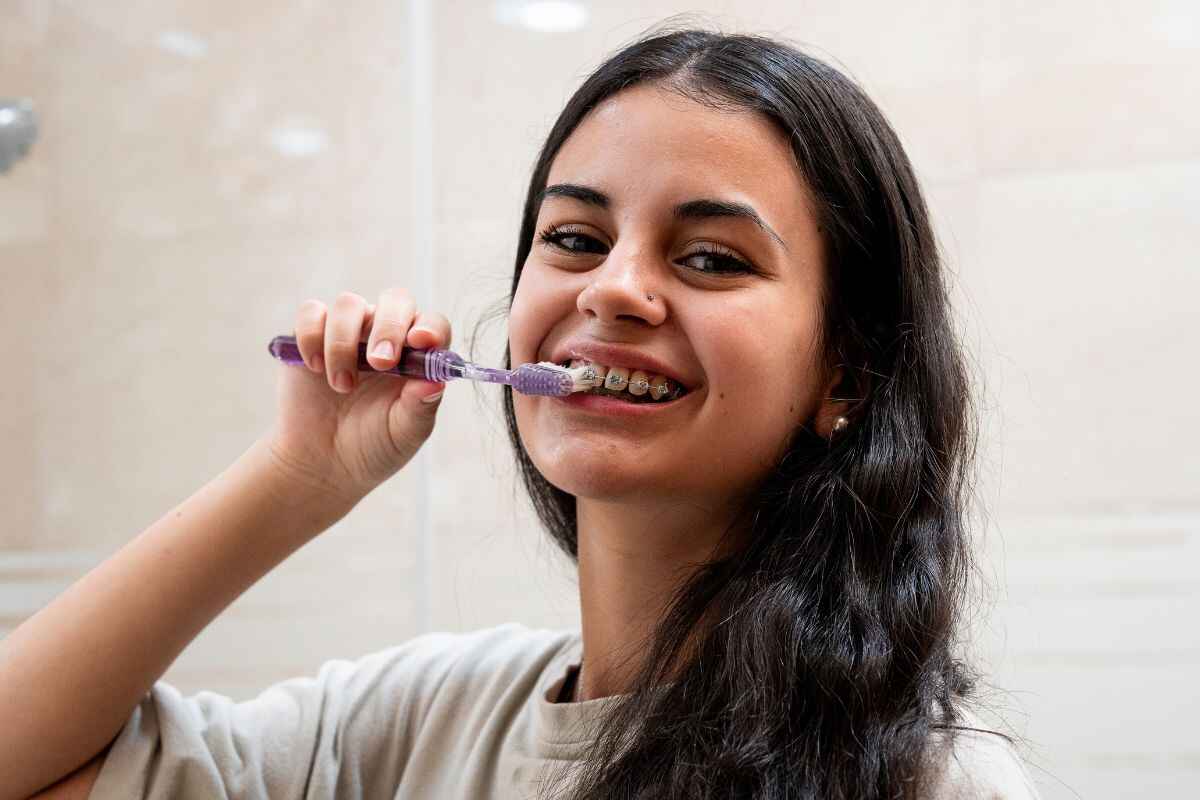
These are one of the most common treatments for overbites in children. These dental devices apply steady pressure to shift the teeth and jaw into proper alignment gradually.
Benefits of Braces:
- Highly effective for moderate to severe overbites
- Customizable with colors and styles that kids can enjoy
- Comfortable and less bulky than traditional models
Orthodontists typically recommend braces for children with severe malocclusions. Treatment duration depends on the severity of the overbite but usually lasts between 18 and 24 months.
Invisalign: A Clear Alternative to Fix Misalignments
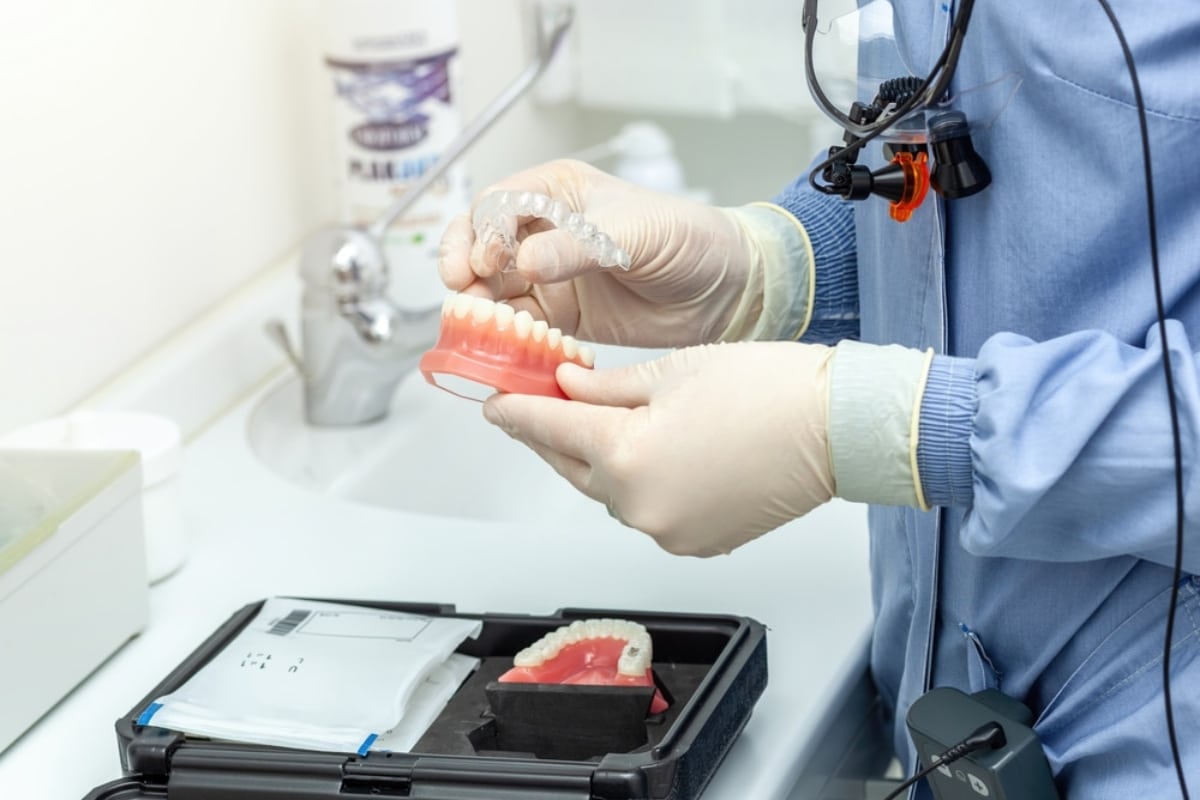
Invisalign offers a reliable solution for children who prefer a more discreet option. These virtually invisible aligners are ideal for kids concerned about their appearance during treatment.
Key Features of Invisalign:
- Removable, which makes eating, flossing, and brushing easy
- Clear and less detectable than conventional braces
- Enhanced comfort, without metal wires and brackets
Invisalign is best suited for mild to moderate overbites. However, for more severe cases, traditional braces might be the preferred treatment. Consulting an orthodontist helps determine the right approach based on your child’s needs.
The Role of an Orthodontist in Overbite Correction
An orthodontist specializes in treating dental and facial irregularities, including protrusive bites. These specialists have the training and experience to perform the following:
- Diagnose the severity of the overbite
- Create personalized treatment plans using braces or Invisalign
- Bring the teeth and jaw into proper alignment
The orthodontist will closely monitor your child’s progress, adjusting braces or Invisalign as needed to ensure the best results. Regular orthodontic consultations or visit also help detect other potential dental issues early.
How to Choose Orthodontic Care for Your Child?
Here are some key factors you can consider when choosing between Invisalign and braces:
Severity of the Overbite
Braces are often recommended for moderate to severe overbites, providing strong corrective force. Invisalign may only be effective in mild to moderate cases, as it relies on gentle pressure for tooth movement.
Child’s Age and Development
Younger children may benefit more from braces because they offer greater dental development control. Invisalign is typically suitable for older teens or pre-teens who can follow the guidelines for wear and care.
Lifestyle and Activity Level
Due to their metal components, braces may pose a risk for injuries for active kids involved in sports. Invisalign is removable, allowing children to remove aligners during activities and making it a safer option.
Aesthetic Preferences
Some children may feel self-conscious about wearing braces, especially during their teenage years. Invisalign aligners are almost undetectable, which makes them suitable for kids worried too much about their appearance.
Treatment Duration and Commitment
Braces typically require a commitment of 18 to 24 months, depending on the severity of the issue. Invisalign treatment may vary but often involves changing aligners every two weeks, requiring consistent commitment from your child.
Orthodontic care is essential for kids with overbites. Whether through braces or Invisalign, early intervention ensures a healthier smile and prevents future complications. By working with an orthodontist in Phoenix, you can provide your child with a well-aligned smile that lasts a lifetime.
At Woolaver Orthodontics, we correct overbites and other misalignments with braces, Invisalign, and more. Get in touch with us to explore the ideal treatment for your orthodontic problems.
Recent Posts
December 18, 2025
Keep Your Aligners Clear, Comfortable, and Effective – A Guide From Woolaver Orthodontics

December 12, 2025
Christmas Foods That Can Damage Braces – Woolaver Orthodontics Explains

December 5, 2025
Smile Transformation with Orthodontics in 2026 – Phoenix Orthodontist Explains
November 26, 2025
How To Protect Your Smile With Orthodontic Treatments During the Holidays?

November 19, 2025
Is Your Braces Feel Tighter in Cold Phoenix Winters?