
March 1, 2024
/
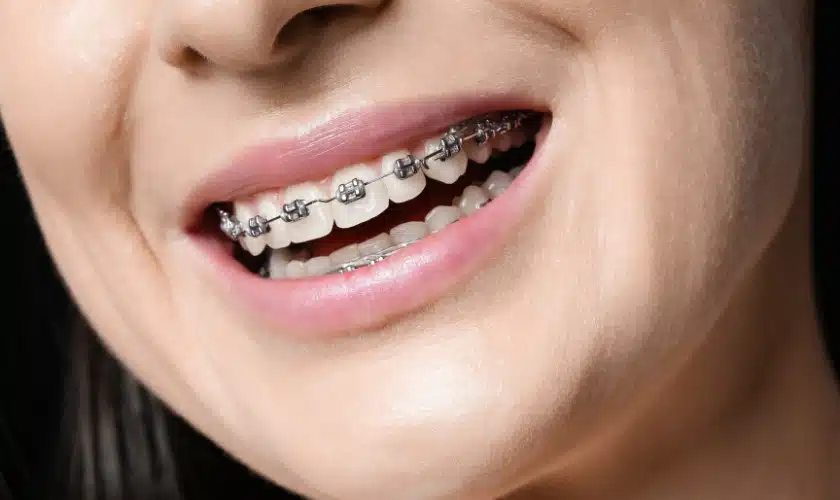
Braces can be a crucial step in achieving a beautiful, healthy smile. However, the journey to straighter teeth isn’t always pain-free. Many people experience discomfort or even pain after getting their braces tightened or adjusted. Fortunately, there are several strategies you can employ to manage braces pain and make the process more bearable.
Understanding Braces Pain
Before delving into management techniques, it’s essential to understand why braces can cause discomfort. When braces are adjusted, they exert pressure on your teeth, encouraging them to move into the desired position. This pressure can lead to soreness and discomfort, particularly in the first few days following an adjustment. Additionally, the brackets and wires of braces may rub against the soft tissues of your mouth, causing irritation and sores.
Tips for Managing Braces Pain
1. Over-the-Counter Pain Relief
Over-the-counter pain relievers such as ibuprofen or acetaminophen can be effective in reducing braces-related discomfort. Be sure to follow the recommended dosage instructions and consult with your orthodontist or pharmacist if you have any concerns.
2. Orthodontic Wax
Orthodontic wax is a soft, moldable substance that can be applied to the brackets and wires of your braces to create a smooth surface and reduce irritation. Simply pinch off a small amount of wax, roll it into a ball, and apply it to any areas causing friction or rubbing.
3. Saltwater Rinse
A saltwater rinse can help soothe sore gums and mouth tissues irritated by braces. Mix a teaspoon of salt into a glass of warm water and swish it around your mouth for 30 seconds to a minute before spitting it out. Repeat this several times a day, especially after meals, to alleviate discomfort.
4. Cold Compress
Applying a cold compress to your cheeks or jaws can help numb the area and reduce inflammation, providing temporary relief from braces pain. Wrap a bag of frozen peas or a cold gel pack in a cloth and hold it against the outside of your mouth for 10 to 15 minutes at a time.
5. Soft Food Diet
Opting for soft, easy-to-chew foods can minimize discomfort while your teeth adjust to braces. Consider incorporating items such as soups, yogurt, mashed potatoes, smoothies, and soft fruits into your diet. Avoid hard, crunchy, or sticky foods that may exacerbate soreness or damage your braces.
6. Proper Oral Hygiene
Maintaining good oral hygiene is essential for preventing additional discomfort and complications during orthodontic treatment. Brush your teeth gently but thoroughly after each meal, paying extra attention to cleaning around the brackets and wires. Use a fluoride mouthwash to help alleviate irritation and keep your mouth healthy.
7. Follow Your Orthodontist’s Recommendations
Above all, follow your orthodontist‘s instructions regarding braces care and adjustments. Attend regular appointments for adjustments and check-ups, and don’t hesitate to communicate any concerns or discomfort you experience. Your orthodontist can provide personalized advice and solutions to help you manage braces pain effectively.
Conclusion
While braces discomfort is a common aspect of orthodontic treatment, it doesn’t have to derail your journey to a straighter smile. By following these tips for managing braces pain and staying proactive about your oral hygiene, you can navigate the process with greater comfort and confidence. Remember, the discomfort associated with braces is temporary, but the benefits of a beautiful, healthy smile can last a lifetime.
Recent Posts
December 18, 2025
Keep Your Aligners Clear, Comfortable, and Effective – A Guide From Woolaver Orthodontics

December 12, 2025
Christmas Foods That Can Damage Braces – Woolaver Orthodontics Explains

December 5, 2025
Smile Transformation with Orthodontics in 2026 – Phoenix Orthodontist Explains

November 26, 2025
How To Protect Your Smile With Orthodontic Treatments During the Holidays?

November 19, 2025
Is Your Braces Feel Tighter in Cold Phoenix Winters?