
January 10, 2023
/

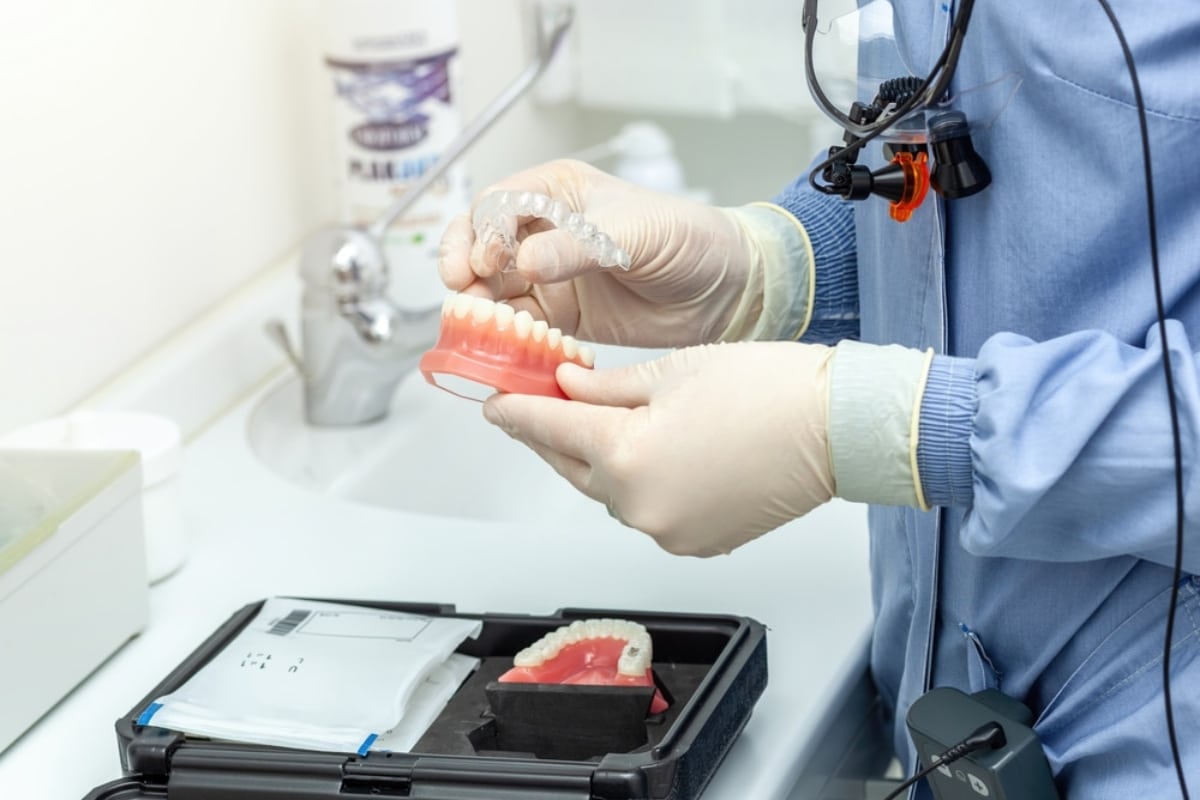
Invisalign treatment is an innovative orthodontic procedure used to straighten misaligned teeth without the use of traditional metal braces. The Invisalign system utilizes a series of custom-made, clear aligners that are designed to gradually move your teeth into the desired position and provide you with a beautiful smile. This article will discuss what Invisalign treatment includes and how it can benefit you.
Straightening misaligned teeth have been an objective of many individuals for centuries; however, achieving this goal was not always easy or desirable due to the bulky metal braces that were traditionally used. Thanks to Invisalign treatment, those days are over! Invisalign is a revolutionary orthodontic procedure that allows you to straighten your teeth without the need for traditional metal braces. In this article, we will discuss what Invisalign treatment includes and how it can benefit you.
What Does Invisalign Treatment Include?
Invisalign treatment involves a series of clear aligners that are custom-made to fit your individual needs. These aligners are designed to gradually move your teeth into their desired position and provide you with the beautiful smile you’ve always wanted. The Invisalign system works best when used in conjunction with regular visits to an orthodontist who will monitor the progress of your treatment and make any necessary adjustments if needed.
Consultation
The first step in Invisalign treatment is to meet with your orthodontist for a consultation. During this appointment, your orthodontist will review the state of your teeth, assess their current condition, and discuss your desired outcome. After taking X-rays and 3D images of your mouth, the orthodontist will be able to create a custom Invisalign treatment plan that is tailored specifically to you.
Application
Once the Invisalign treatment plan has been created, it’s time to start wearing the aligners! Each set of aligners is designed to move your teeth into their desired position and should be worn for at least 20 hours a day in order to see optimal results. The aligners are removable, making it easy to brush and floss your teeth as normal.
Follow-Up Appointments
Your Invisalign treatment plan will require regular follow-up appointments with your orthodontist in order to evaluate the progress of the treatment and make any necessary adjustments if needed. During these appointments, your orthodontist may also suggest additional Invisalign aligners or other treatments in order to obtain the best possible outcome for you.
Conclusion
Invisalign is an innovative orthodontic procedure that can help you achieve a straight, beautiful smile without the need for traditional metal braces. Invisalign treatment involves a series of custom-made clear aligners that are designed to move your teeth into the desired position and provide you with the smile you’ve always wanted. If you’re considering Invisalign treatment, it’s important to consult with your orthodontist for a personalized treatment plan that is tailored specifically to your needs.
FAQs:
Q: How long does Invisalign take?
A: The length of Invisalign treatment can vary depending on the severity of misalignment and individual treatment goals; however, it typically takes anywhere from 12-18 months to complete.
Q: Will Invisalign work for me?
A: Invisalign works best for patients who have mild to moderate cases of misaligned teeth; however, in some cases invisalign may not be the best option and your orthodontist can discuss other treatment options with you.
Q: How much does Invisalign cost?
A: The cost of Invisalign treatment can vary depending on a number of factors including the severity of misalignment, individual treatment goals, and geographical location; however, it typically ranges from $3,000-$8,000.
Recent Posts
December 18, 2025
Keep Your Aligners Clear, Comfortable, and Effective – A Guide From Woolaver Orthodontics

December 12, 2025
Christmas Foods That Can Damage Braces – Woolaver Orthodontics Explains

December 5, 2025
Smile Transformation with Orthodontics in 2026 – Phoenix Orthodontist Explains

November 26, 2025
How To Protect Your Smile With Orthodontic Treatments During the Holidays?

November 19, 2025
Is Your Braces Feel Tighter in Cold Phoenix Winters?