
March 25, 2025
/
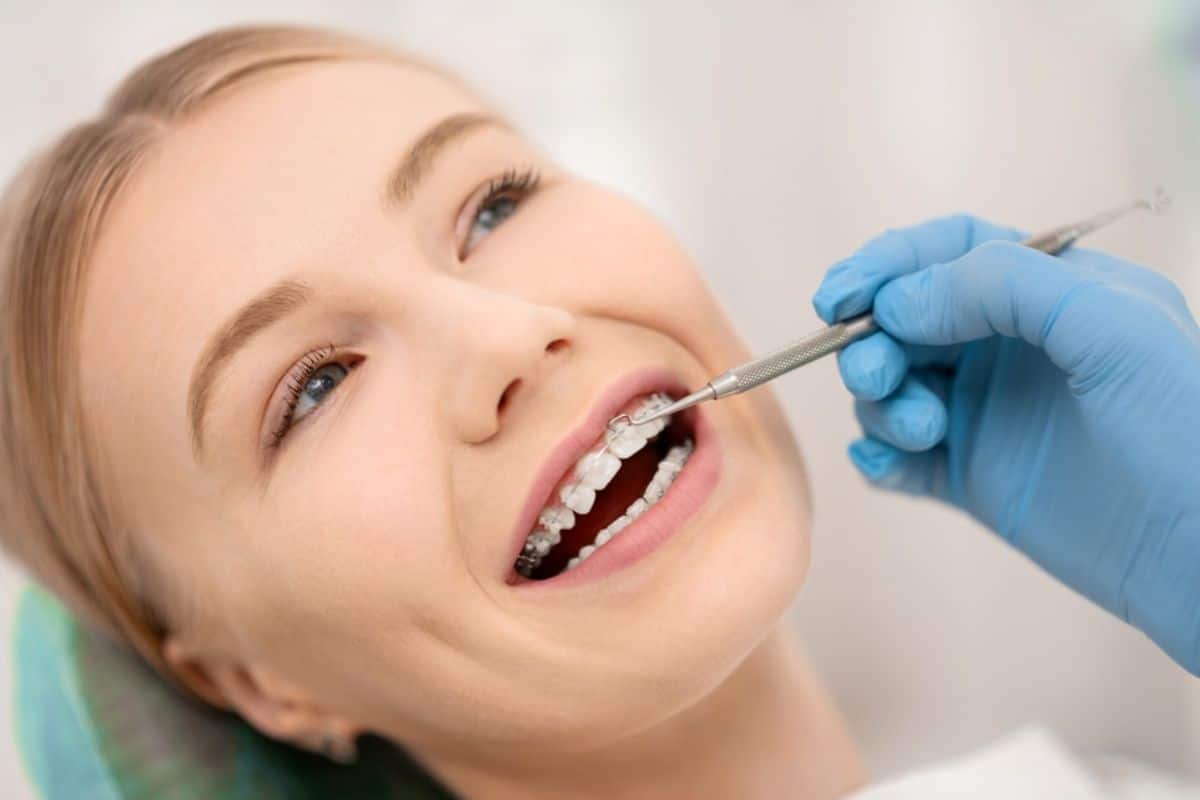
It’s normal to experience some level of discomfort when you first get braces. One of the most common issues people face is gum swelling. Swollen gums occur when the tissue around your teeth becomes inflamed, often appearing red, puffy, or tender. It is a bit annoying and even painful. Swollen gums can make simple things like brushing, eating, and even talking a bit more difficult.
So, why do your gums swell in the first place when you get braces? Is it something you should be worried about? Let’s learn when having swollen gums with braces is a concern and how to treat them.
What Are The Causes Of Gum Swelling with Braces?
Initially, you may not experience changes to your teeth, as braces steadily create pressure that causes changes to your gums. It is normal to feel sore in your gum, especially when your orthodontist adjusts your braces at regular intervals. If the swelling is due to the movement in your teeth, it will go away on its own after the braces are removed.
Other reasons may include:
Plaque Buildup: Braces can make it a bit harder to keep your teeth and gums clean. If food and plaque build up around your brackets, it can cause your gums to swell.
Gum Irritation: The brackets or wires might rub against your gums, leading to small irritations. These can lead to swelling or discomfort, especially in the early days of wearing braces.
What Are The Signs and Symptoms of Gum Swelling?
If you feel sore in your gums or experience any discomfort, you should look for:
Redness and Puffiness: Swollen gums often appear redder and puffier than usual.
Tenderness or Pain: You may feel tenderness, especially when brushing or eating.
Bleeding: Swollen gums might bleed a little when you brush or floss, which can be a sign of inflammation.
It’s important to know the difference between normal discomfort after an adjustment and signs of infection. If your gums are just a little swollen or tender, it’s likely nothing to worry about. But if the swelling persists or gets worse, it’s better to have a consultation with your orthodontist.
How to Get Rid of Swollen Gums with Braces
There are several ways to manage and reduce gum swelling while wearing braces and help you feel comfortable:
Proper Oral Hygiene Techniques
Keep your teeth and gums clean to prevent and reduce the risk of swelling. With braces, this can be a bit tricky. Be sure to brush your teeth at least twice a day with an orthodontic toothbrush, which is designed to clean around the brackets and wires.
You should also floss daily using floss threaders to get between the braces and the teeth. If flossing is a challenge, a water flosser can also help remove food particles and plaque.
Rinsing with Salt Water
Saltwater is a natural remedy that can help reduce gum swelling and soothe irritation. Simply mix a teaspoon of salt in warm water and swish it around your mouth for about 30 seconds. It’s an easy and effective way to help reduce inflammation and promote healing. You can do this a few times a day, especially if your gums feel sore after an adjustment.
Cold Compresses for Relief
Applying a cold compress to the outside of your mouth can help numb the pain and reduce swelling. Wrap some ice in a cloth or use a cold gel pack and gently apply it to the affected area for 10 to 15 minutes. It’s a simple trick, but it works well for reducing inflammation and easing discomfort.
Orthodontic Wax for Comfort
Brackets and wires can sometimes rub against the inside of your mouth, leading to sores and irritation. Orthodontic wax can help protect your gums and cheeks from this friction. Simply break off a small piece of wax, roll it into a ball, and flatten it over the brackets that are bothering you. It’s a quick fix that can provide relief until your next adjustment.
Dietary Adjustments to Reduce Swelling
What you eat can also play a role in managing gum swelling. Here are a few tips to keep in mind:
Soft Foods: Eating soft foods will be easier on your swollen gums. Try soups, smoothies, mashed potatoes, and scrambled eggs. These foods are gentle and won’t irritate your gums further.
Anti-inflammatory Foods: Some foods have natural anti-inflammatory properties. Leafy greens, turmeric, and omega-3-rich foods like fish can help reduce swelling.
Stay Hydrated: Drinking plenty of water helps your body stay hydrated and promotes healthy gums.
When to Seek Professional Help
In most cases, mild gum swelling is temporary and will go away on its own. There are times when you should reach out to your orthodontist, when you see:
Signs of Infection: If your gums become very swollen, are bleeding excessively, or you notice pus, it could be a sign of an infection. Don’t wait—contact your orthodontist as soon as possible.
Persistent Pain: If the swelling doesn’t improve or the pain becomes unbearable, it’s time to get professional advice. Your orthodontist can assess the situation and recommend a course of action.
Dealing with gum swelling while wearing braces is common, but it doesn’t have to be uncomfortable for long. With the right care and attention, you can keep your gums healthy and reduce any swelling.
If you have concerns, schedule your appointment online with us. We are here to help you through every step of your orthodontic treatment.
Recent Posts
December 18, 2025
Keep Your Aligners Clear, Comfortable, and Effective – A Guide From Woolaver Orthodontics

December 12, 2025
Christmas Foods That Can Damage Braces – Woolaver Orthodontics Explains

December 5, 2025
Smile Transformation with Orthodontics in 2026 – Phoenix Orthodontist Explains

November 26, 2025
How To Protect Your Smile With Orthodontic Treatments During the Holidays?

November 19, 2025
Is Your Braces Feel Tighter in Cold Phoenix Winters?