
June 24, 2025
/

If you’ve been considering improving your smile or addressing dental irregularities, you might be wondering, “What exactly does an orthodontist do?” and “How do orthodontists manage tricky dental issues?”
Orthodontists are specialists dedicated to correcting misaligned teeth and jaws, going beyond just aesthetics to enhance your overall oral health and function. They leverage advanced technology and specialized treatments to address a wide array of concerns, from a simple crooked tooth to more complex jaw misalignments.
In this article, we’ll explore what dental problems orthodontists fix, which treatments are available, when to visit for orthodontic consultation.
Understanding What Orthodontic Treatments Are and Why They’re Important
Orthodontics is more than just straightening teeth; it is about enhancing oral health and functionality. Misaligned teeth, overbites, underbites, and overcrowding can lead to complications like gum disease, tooth decay, and even difficulty in chewing and speaking. Orthodontic treatments rectify these problems, promoting not only a confident smile that’s ready for any Arizona adventure but also long-term dental health.
Common Dental Problems Orthodontists Expertly Manage
Orthodontists treat a wide range of dental issues, including:
- Malocclusion (Bad Bite) Malocclusion refers to the improper alignment of teeth when the jaws are closed. This includes overbites, underbites, crossbites, and open bites. Each type of malocclusion requires a specific treatment plan to reposition the teeth and improve the bite.
- Crowded Teeth Crowded teeth occur when there isn’t enough space in the mouth for all the teeth to fit properly. This issue can lead to overlapping teeth, which are harder to clean, thus increasing the risk of plaque buildup and gum disease.
- Spacing Issues Excessive spacing between teeth can be caused by missing teeth, small teeth, or a large jaw. Orthodontic solutions help close gaps, ensuring better aesthetics and functionality.
- Jaw Misalignment Jaw misalignment can lead to temporomandibular joint (TMJ) disorders, causing discomfort, headaches, and even difficulty in speaking or eating. Orthodontic treatments help realign the jaw, relieving these symptoms.
Advanced Diagnostic Tools in Orthodontics for Clear Results
Orthodontic specialists rely on cutting-edge diagnostic tools to accurately assess dental problems and create personalized treatment plans. These technologies ensure precision and efficacy in:
- 3D Imaging and CBCT Scans which provide detailed images of the teeth, bones, and soft tissues, enabling orthodontists to diagnose complex cases with clarity.
- Digital Impressions which replaces traditional molds, offering quicker, more comfortable, and highly accurate results to capture the structure of the teeth and gums.
- Cephalometric X-rays that allow specialists to evaluate the alignment of the jaw in relation to the skull, which is crucial for designing effective treatment plans.
Orthodontic Solutions for Different Dental Problems
The most common orthodontic solutions available to correct dental issues are:
- Braces: This remains the most widely used orthodontic treatment. They consist of metal brackets attached to each tooth, connected by wires that apply pressure to move the teeth into the desired position. Modern braces are smaller and more comfortable, with options like ceramic braces offering a more aesthetic alternative.
-
- Key Benefits of Braces:
- Effectively treat severe misalignments.
- Suitable for both children and adults.
- Provide precise control over tooth movement.
- Key Benefits of Braces:
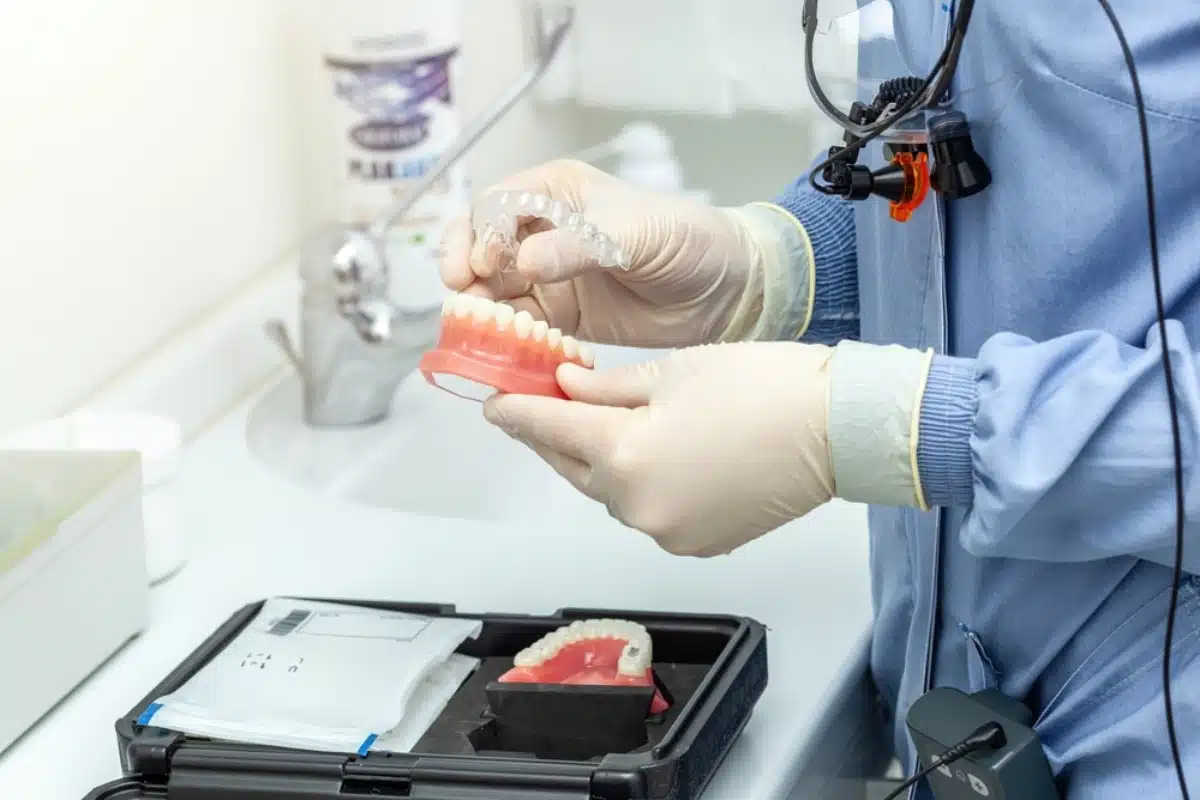
- Clear Aligners: A Discreet Alternative to Braces Clear aligners, such as Invisalign, have revolutionized orthodontic treatment. These transparent, removable trays gradually shift the teeth into place without the need for brackets or wires. They are a popular choice for adults due to their virtually invisible appearance, perfect for maintaining that professional look in Phoenix’s bustling business scene.
-
- Advantages of Clear Aligners:
-
-
- Removable, allowing for easy cleaning and maintenance.
- Minimal impact on daily life and comfort.
- Suitable for mild to moderate orthodontic issues.
-
- Retainers: Maintaining Results Post-Treatment After completing orthodontic treatment, retainers play a vital role in maintaining the new position of the teeth. Retainers can be fixed or removable, depending on the patient’s needs. They prevent teeth from shifting back into their original misalignment, ensuring your investment in a beautiful Phoenix smile lasts.
-
- Types of Retainers:
-
-
- Fixed Retainers: Bonded to the back of the teeth, offering a long-term solution.
- Removable Retainers: Can be taken out when necessary, typically worn overnight.
-
- Palatal Expanders: Addressing Jaw Size Discrepancies For children with narrow jaws, palatal expanders are used to widen the upper jaw. This device applies gentle pressure over time to encourage the growth of the jaw, making space for teeth to align properly.
-
- When to Use Palatal Expanders:
-
-
- Ideal for young patients whose jaws are still developing.
- Treats crossbites and prevents overcrowding.
- Enhances the effectiveness of future orthodontic treatments.
-
- Orthognathic Surgery: Correcting Severe Jaw Misalignment In cases where the jaw is significantly misaligned, orthognathic surgery may be required. This surgical procedure corrects the position of the jaw, improving both function and appearance.
-
- Benefits of Orthognathic Surgery:
-
-
- Alleviates problems related to chewing, breathing, and speaking.
- Provides a permanent solution for jaw discrepancies.
- Often combined with orthodontic treatment for optimal results.
-
Why is Early Orthodontic Intervention so Important?
Early orthodontic intervention, typically during childhood, can prevent more serious dental problems later in life. By addressing issues such as misaligned teeth and jaw discrepancies early orthodontists can help the development of the jaw and teeth, reducing the need for more extensive treatments in adulthood.
- Signs Your Child May Need Early Orthodontic Treatment
-
- Difficulty chewing or biting.
- Mouth breathing or thumb sucking.
- Early or late loss of baby teeth.
- Crowded or misaligned teeth.
- Benefits of Early Orthodontic Care
-
- Promotes better oral health as the child grows.
- Reduces the risk of needing surgical interventions.
- Helps prevent tooth decay and gum disease due to better oral hygiene.
How to Choose the Right Orthodontic Treatment Plan for You
Each patient’s orthodontic needs are unique, and choosing the right treatment depends on various factors, such as the severity of the dental problem, the patient’s age, and personal preferences. Orthodontists work closely with patients to develop customized treatment plans that ensure the best outcomes.
- Factors to Consider When Selecting an Orthodontic Treatment
-
- Complexity of Dental Issues: Severe misalignments may require traditional braces, while mild cases can be addressed with clear aligners.
-
- Age of the Patient: Younger patients may benefit from palatal expanders or early intervention, while adults often prefer less noticeable options like clear aligners.
-
- Lifestyle Preferences: Clear aligners are ideal for those who prefer a more discreet solution, whereas braces may offer quicker results for complex cases.
Consult With Your Orthodontist – Woolaver Orthodontics in Phoenix, AZ
At Woolaver Orthodontics , we understand that addressing dental problems is a significant step toward better health and confidence. Whether you’re dealing with crowded teeth, a misaligned bite, or considering options for your child’s developing smile, we’re here to provide personalized, effective care.
Schedule your orthodontic consultation in Phoenix, AZ and visit our office. Get the direction to our orthodontic office here.
Recent Posts
December 18, 2025
Keep Your Aligners Clear, Comfortable, and Effective – A Guide From Woolaver Orthodontics

December 12, 2025
Christmas Foods That Can Damage Braces – Woolaver Orthodontics Explains

December 5, 2025
Smile Transformation with Orthodontics in 2026 – Phoenix Orthodontist Explains

November 26, 2025
How To Protect Your Smile With Orthodontic Treatments During the Holidays?

November 19, 2025
Is Your Braces Feel Tighter in Cold Phoenix Winters?