
July 28, 2023
/

Have you ever wondered if orthodontic treatment, particularly braces, offers more than just a perfectly straight smile? While aesthetics are a wonderful benefit, the true power of braces lies in their deeper impact on your dental health and daily oral hygiene.
This deep dive will explore precisely how braces help your teeth by improving alignment and bite, making your mouth easier to clean, and ultimately enhancing your overall well-being.
The Core of How Braces Help Your Teeth
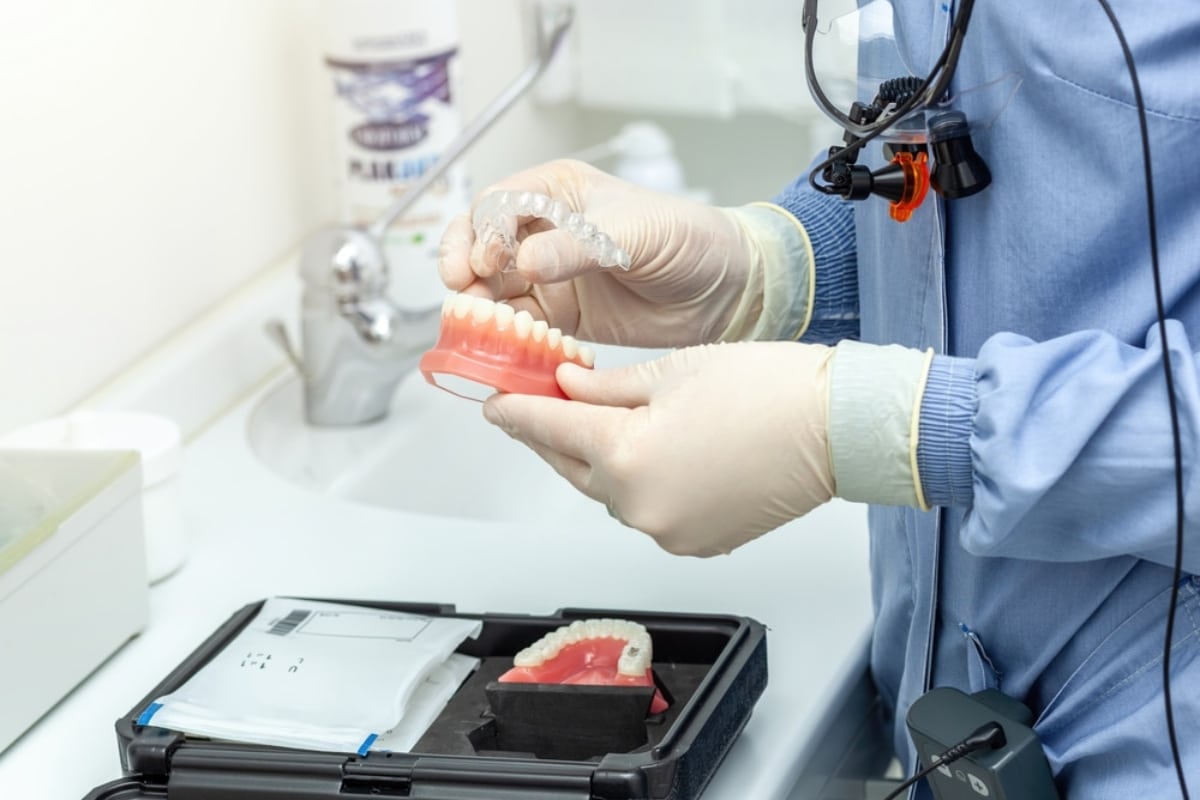
Orthodontic treatment aims to fix any issues or improper positioning of your teeth and jaw. Whether using traditional braces or clear aligners, the process gently moves your teeth into their proper positions. This helps in:
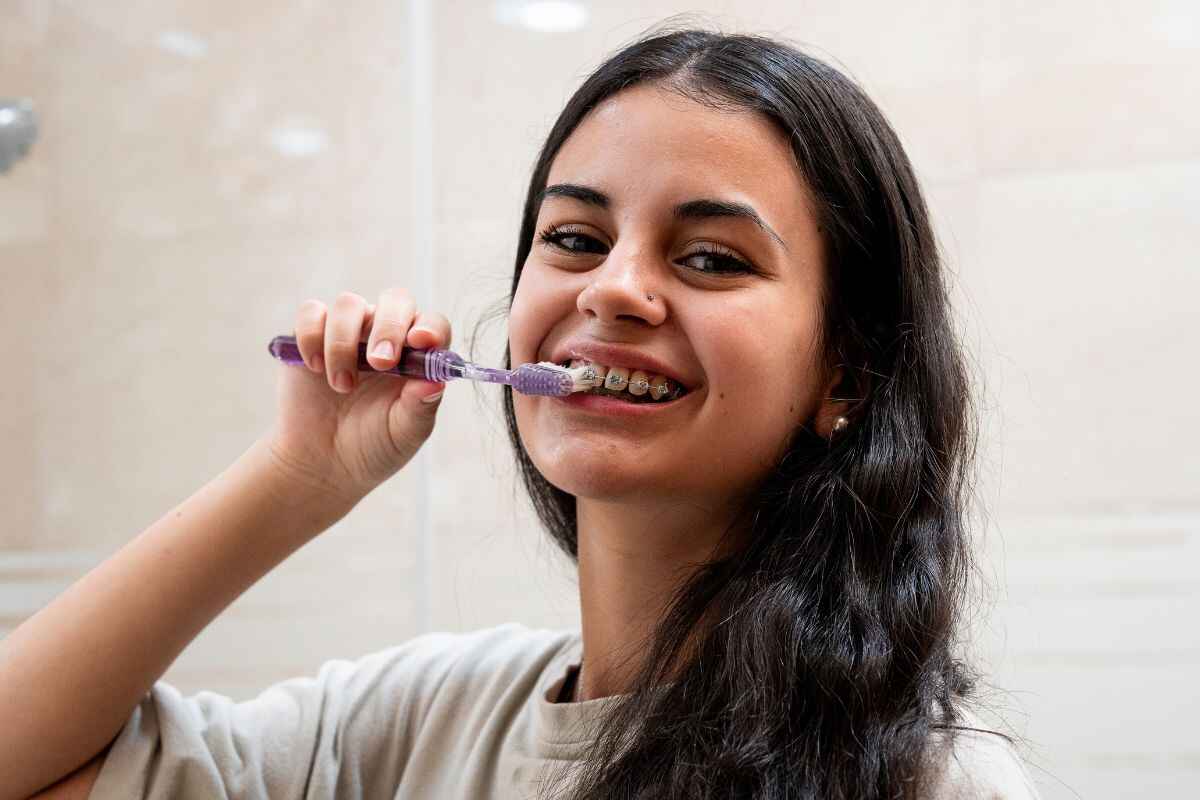
Easier to Clean: Straight teeth allow for more effective brushing and flossing, helping you thoroughly remove food debris and plaque. This reduces the likelihood of developing cavities and gum problems.
A Better Bite: When teeth don’t align properly, it can cause uneven wear, chipping, or even jaw discomfort. Braces correct these bite issues, ensuring your teeth work together smoothly and share chewing forces evenly.
The Direct Impact of Braces on Your Daily Oral Hygiene
One of the most significant benefits of orthodontic treatment is its direct, positive impact on your daily oral hygiene.
Easier, More Effective Cleaning: Crooked or overlapping teeth create tight, inaccessible spaces. These “plaque traps” are incredibly difficult to clean thoroughly with a toothbrush or dental floss. Once your teeth are properly aligned, it’s become easy to reach every surface of your teeth and remove food particles and plaque much more efficiently. This directly reduces your risk of cavities and gum disease.
Reduced Gum Issues: Misaligned teeth can contribute to gum inflammation because they’re harder to clean around, allowing plaque to irritate the gumline. With straightened teeth, your gums can fit closely around each tooth, making them less prone to inflammation, irritation, and infection.
Protection Against Uneven Wear: An uneven bite means that some teeth take on a disproportionate amount of stress when you chew. This can lead to uneven wear patterns, enamel erosion, and even damage like chipping or cracking. By correcting these bite issues, braces help distribute chewing forces evenly across all your teeth, protecting them from premature damage and extending their lifespan.
Improved Overall Oral Function: While often subtle, a properly aligned bite can also contribute to improved speech clarity and more efficient chewing. Better chewing aids in the initial stages of digestion and improves overall health.
Different Braces Treatments and Their Role in Oral Health
Modern orthodontics offers various options, each playing a vital role in achieving better oral health:
Traditional Metal Braces: These consist of small metal brackets bonded to your teeth, connected by wires that gradually shift them. They are highly effective at aligning teeth, setting the stage for significantly easier and more thorough cleaning once treatment is complete.
Self-Ligating Braces: They use a specialized clip or door built into the bracket itself to hold the wire, instead of tiny elastic bands or ties. This design can sometimes lead to less friction, potentially making movements more comfortable. The absence of elastic ties also means fewer places for food particles and plaque to get trapped, which can make them a bit easier to keep clean during treatment, contributing to improved oral hygiene.
Lingual Braces: Similar to traditional braces, but uniquely placed on the inside surface of your teeth, making them virtually invisible from the outside. Like other types of braces, they effectively align teeth, ultimately leading to improved long-term oral health and easier cleaning.
Oral Hygiene Tips To Maintain Your Smile Post-Treatment
To ensure your dental health remains optimal, follow these essential maintenance tips:
Wear Your Retainer Religiously: Your orthodontist will provide you with a custom-made retainer after your braces come off. Wear it exactly as instructed to prevent your teeth from gradually shifting back to their original positions.
Brush and Floss Consistently: Brush your teeth thoroughly twice a day and floss daily. This routine will effortlessly remove any plaque or food particles, ensuring your newly aligned teeth remain pristine and healthy.
Be Mindful of Your Diet: It’s wise to be cautious with extremely sticky candies or very hard foods. These can potentially damage your retainer or get awkwardly stuck between your teeth.
Schedule Regular Dental Check-Ups: Even with perfectly straight teeth, regular visits to your general dentist are still necessary. These check-ups help maintain overall oral health, catch any potential issues early, and ensure your entire mouth remains healthy.
Practice Overall Healthy Habits: Continue to avoid tobacco products and limit sugary drinks. These habits can significantly increase your risk of cavities and other dental problems down the road, even with the straightest of smiles.
Unlock a Healthier Smile with Woolaver Orthodontics in Ahwatukee, Phoenix, AZ
At Woolaver Orthodontics, we understand the intricate connection between a straight smile and a healthy one. Dr. Chris Woolaver is dedicated to providing personalized orthodontic treatments to achieve optimal alignment for your teeth and jaws.
If you wish to learn more about how braces improve dental health and impact your oral hygiene, contact us to schedule your appointment.
Recent Posts
December 18, 2025
Keep Your Aligners Clear, Comfortable, and Effective – A Guide From Woolaver Orthodontics

December 12, 2025
Christmas Foods That Can Damage Braces – Woolaver Orthodontics Explains

December 5, 2025
Smile Transformation with Orthodontics in 2026 – Phoenix Orthodontist Explains
November 26, 2025
How To Protect Your Smile With Orthodontic Treatments During the Holidays?
November 19, 2025
Is Your Braces Feel Tighter in Cold Phoenix Winters?