
July 7, 2025
/
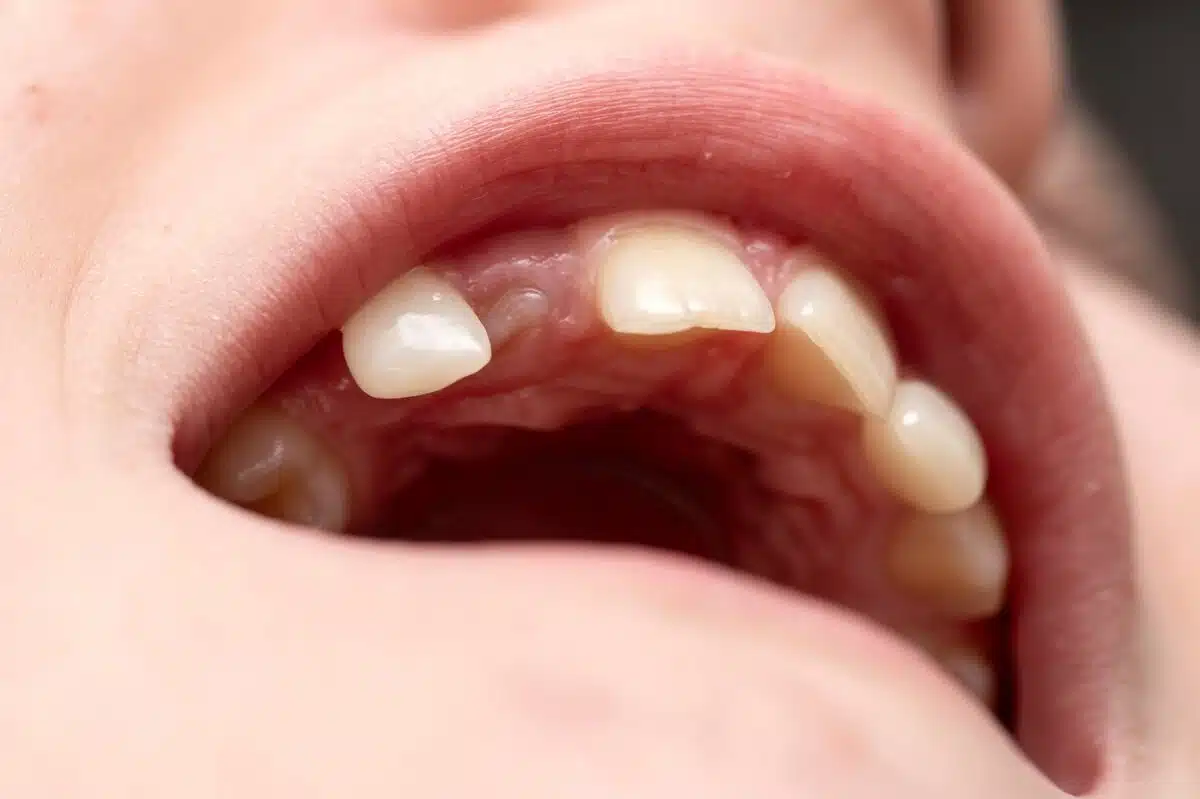
If your child has lost a baby tooth too soon, you might be wondering, “Do they really need a space maintainer?” Yes. When your baby lose a tooth unexpectedly, it can lead to concerns about whether the adult tooth will come in correctly.
At Woolaver Orthodontics, we often recommend a space maintainer as a simple, effective way to prevent future crowding and other dental issues. In this blog, your Phoenix orthodontist will explain what a space maintainer is, why your child might need one, and how it protects their developing smile.
What Exactly is a Space Maintainer?
A space maintainer is a placeholder between teeth. When your child lose a baby tooth too soon, the teeth on either side of that gap can start to drift or shift into the empty space. It’s a custom-made appliance that simply holds that space open, ensuring there’s enough room for the permanent tooth to erupt exactly where it’s supposed to be.
When Does an Orthodontist Recommend Your Child Need a Space Maintainer?
An orthodontist typically recommends a space maintainer when a child loses a baby tooth prematurely.
A few common reasons why a baby tooth falls too early:
Injury or Trauma: A fall or a bump can sometimes knock out a baby tooth.
Severe Decay: If a cavity becomes too large or deep, the tooth might need to be extracted to prevent infection.
Developmental Issues: In some cases, a baby tooth might not develop properly and needs to be removed.
However, a space maintainer isn’t always necessary. If the permanent tooth is very close to erupting, or if the space will naturally remain open, your orthodontist might advise against it.
Types of Retainers
Space maintainers come in different forms, and your orthodontist will choose the best type based on which tooth is missing and your child’s specific needs.
Common types of space maintainers include:
Band and Loop: It consists of a stainless steel band cemented to a tooth next to the gap, with a wire loop extending into the space to keep it open. It’s often used when a single back tooth is lost.
Lingual Arch: For multiple missing teeth in the lower jaw, a lingual arch might be used. It’s a wire that runs along the inside (tongue side) of the lower teeth, connecting to bands on the molars.
Nance Appliance: Like the lingual arch, the Nance appliance is used in the upper jaw. It utilizes bands on the upper molars, joined by a wire that runs along the roof of the mouth.
Removable Space Maintainers: These are custom-made appliances, similar to a retainer, that your child can take out. They sometimes include an artificial tooth to fill the gap. These require good cooperation from the child to ensure they wear it as directed.
Your orthodontist will carefully assess your child’s mouth and recommend the most effective type of space maintainer.
What Happens If My Child Doesn’t Get a Space Maintainer?
While it might seem like a small thing, not addressing a prematurely lost baby tooth can lead to bigger problems down the road:
Drifting Teeth: Without the baby tooth holding its place, the teeth on either side of the gap can start to shift or “drift” into the empty space.
Blocked Eruption: When adjacent teeth move into the gap, there might not be enough room for the permanent tooth to come in properly. It could become stuck, or “impacted,” under the gums.
Crowding and Misalignment: This shifting can lead to crowded, crooked permanent teeth, which can affect your child’s bite and make it harder to clean their teeth effectively.
More Complex Orthodontic Treatment: If teeth drift and become misaligned, your child might need more extensive and potentially longer orthodontic treatment (like braces) later on to correct the issues that could have been prevented.
Is a Space Maintainer Right for Your Child? Visit Us For A Consultation
If your child has lost a baby tooth prematurely, or if you have any concerns about their dental development, we encourage you to schedule a consultation with us.
At Woolaver Orthodontics, we specialize in understanding the unique needs of growing smiles. Our team is dedicated to providing personalized care and guiding you through every step of your child’s orthodontic journey.
How To Care For Your Child’s Space Maintainers
Caring for a space maintainer is straightforward and essential to its success. Here’s what you and your child need to do:
Excellent Oral Hygiene: Encourage your child to brush and floss carefully around the space maintainer. Food particles can easily get trapped, so thorough cleaning is crucial to prevent cavities and gum irritation.
Dietary Considerations: Advise your child to avoid sticky foods like caramel, chewing gum, and gummy candies, as these can pull on the maintainer. Also, hard foods like nuts or popcorn can potentially bend or break the wire.
Routine Dental Visits: Ensure your child keeps up with their scheduled dental cleanings and check-ups. During these visits, your dentist and orthodontist will keep an eye on the space maintainer and the emerging permanent tooth.
What to do if it breaks or comes loose: If the space maintainer feels loose, bends, or breaks, contact your orthodontist immediately. It’s important to replace it quickly to ensure the space remains open.
Frequently Asked Questions
How long should a spacer stay in your child’s mouth?
It stays until the permanent tooth erupts, which can be months to a few years. Your orthodontist will determine the right time for removal.
Does a tooth spacer for a child hurt?
Placement is generally not painful. Mild discomfort for a day or two is possible, similar to braces adjustments, and can be managed with over-the-counter pain relievers.
Can my child eat normally with a space maintainer?
Yes, but avoid very sticky or hard foods that could damage or dislodge the appliance.
How do I know if my child needs a space maintainer?
Schedule a consultation with Woolaver Orthodontics is Phoenix, if your child lost a baby tooth early. We will examine your child’s mouth and recommend the best action.
Recent Posts
December 18, 2025
Keep Your Aligners Clear, Comfortable, and Effective – A Guide From Woolaver Orthodontics

December 12, 2025
Christmas Foods That Can Damage Braces – Woolaver Orthodontics Explains

December 5, 2025
Smile Transformation with Orthodontics in 2026 – Phoenix Orthodontist Explains

November 26, 2025
How To Protect Your Smile With Orthodontic Treatments During the Holidays?

November 19, 2025
Is Your Braces Feel Tighter in Cold Phoenix Winters?