
June 11, 2025
/
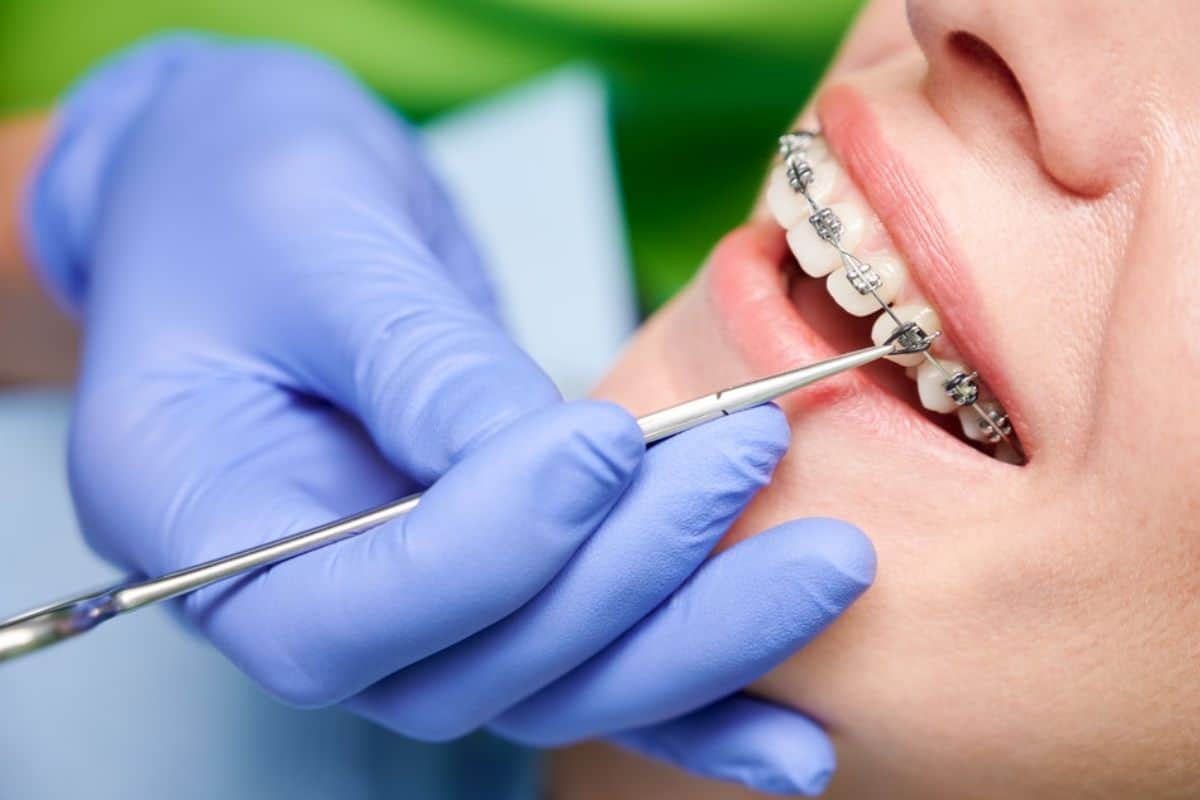
If you’ve been thinking about getting braces but have a chipped or broken tooth, you might be wondering if orthodontic treatment is still possible. Is it safe? Will the braces make it worse? Do I have to fix the tooth first?
In many cases, minor damage won’t delay braces at all. But if the tooth is unstable or causing discomfort, your orthodontist may recommend treating it first to avoid complications.
Let’s take a look at when it’s safe to begin treatment, and when a chipped or broken tooth needs to be addressed first.
How Serious Is a Chipped or Cracked Tooth?
Not all chipped teeth are the same. Some are minor and only affect the outer enamel. Others may involve deeper layers of the tooth, or even the nerve, and can lead to pain or sensitivity.
Recent surveys show that over 63% of dentists in the USA have seen an increase in patients with chipped and cracked teeth, often linked to teeth grinding and clenching caused by stress.
Here’s a general guide to how serious the damage may be:
Minor chip with no pain or sensitivity
These are typically cosmetic and often don’t interfere with braces. In some cases, your orthodontist can begin treatment without delay.
Moderate chip with some sensitivity
If the damage exposes the dentin (the layer beneath the enamel), it may need a small filling or dental bonding before starting braces.
Cracks or breaks involving the nerve
These require dental attention first. If there’s pain, swelling, or infection, it’s important to treat the tooth before applying orthodontic pressure.
When in doubt, a dental exam and X-rays can help determine the extent of the damage and whether treatment can begin right away.
Why Do You Need Healthy Teeth for Orthodontic Care?
Orthodontic treatment works by applying steady, gentle pressure to your teeth, guiding them into better alignment. For this process to go smoothly and safely, your teeth need to be structurally sound.
Here’s why healthy teeth are so important:
- A weakened or cracked tooth may not respond well to the pressure from braces.
- Untreated damage could worsen during treatment, leading to discomfort or delays.
- Healthy teeth provide a stable foundation for long-term orthodontic success.
Your orthodontist will want to ensure each tooth is strong enough to move properly and safely before beginning treatment.
Can Braces Be Adjusted Around a Chipped or Broken Tooth?
Yes, they often can. Your orthodontist can plan your treatment around areas that need extra care.
In some cases:
- A damaged tooth can be avoided in the early stages of treatment.
- Custom brackets and wire adjustments can be made to reduce pressure on that tooth.
- Treatment for the chipped tooth (such as bonding or a crown) can be done before, during, or after braces, depending on what’s safest.
However, there are situations where adjustments around a severely damaged tooth might not be possible. For example, if the tooth is structurally unstable, infected, or causing pain, your orthodontist may recommend delaying movement until the tooth is properly treated. Attempting to move a compromised tooth could lead to increased damage or treatment failure.
What to Do Before Getting the Braces
If you realize that you have a chipped or cracked tooth, here’s what you can do before getting braces:
Schedule a dental check-up: Your dentist can assess the tooth and determine if it needs repair before orthodontic treatment begins.
Take care of any pain or infection: If you’re feeling sensitivity, aching, or swelling, get it treated first. Braces should never be applied to a painful or unstable tooth.
Let your orthodontist know: Share any dental work you’ve had or tooth injuries, so they can account that into your treatment plan.
Discuss timing: In many cases, a small fix can be done quickly, keeping your braces timeline on track.
Avoid Dental Emergencies During Orthodontic Treatment
Once your braces are on, it’s important to take extra care to avoid damaging your teeth, especially if you’ve had a chip or crack before.
Here’s how to prevent dental emergencies while wearing braces:
- Wear a mouthguard during sports or high-impact activities.
- Skip hard and crunchy foods like popcorn, nuts, and ice.
- Avoid chewing on pens, fingernails, or opening packages with your teeth.
- Report any new damage to your orthodontist early for better care and adjustment in your treatment.
Start Your Braces Journey with Confidence at Woolaver Orthodontics
Woolaver Orthodontics has helped many patients in Ahwatukee Phoenix begin their orthodontic journey even with chipped or broken teeth. If you’re wondering whether now is the right time to start braces, let’s talk. We’re here to guide you every step of the way with expert care and a personalized approach.
Schedule your appointment online and let us help you move forward with confidence.
Recent Posts
December 18, 2025
Keep Your Aligners Clear, Comfortable, and Effective – A Guide From Woolaver Orthodontics

December 12, 2025
Christmas Foods That Can Damage Braces – Woolaver Orthodontics Explains

December 5, 2025
Smile Transformation with Orthodontics in 2026 – Phoenix Orthodontist Explains
November 26, 2025
How To Protect Your Smile With Orthodontic Treatments During the Holidays?
November 19, 2025
Is Your Braces Feel Tighter in Cold Phoenix Winters?