
September 18, 2025
/
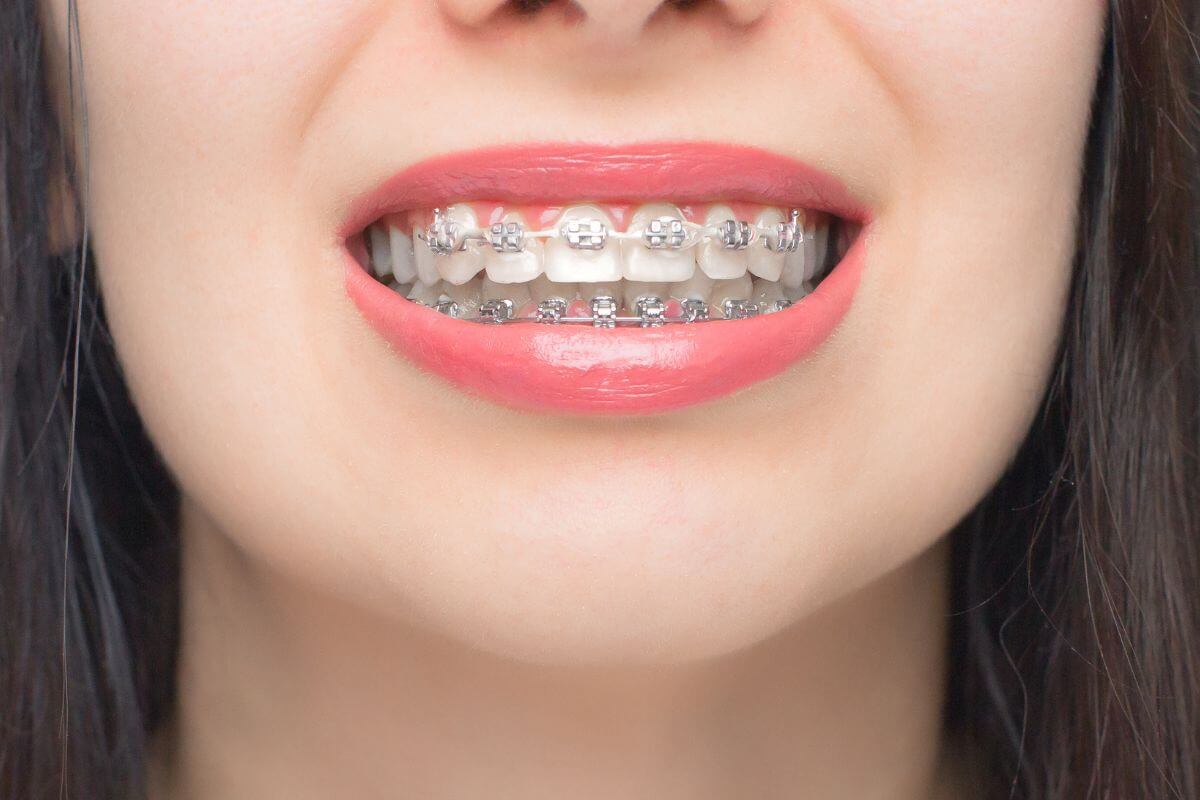
Having sensitive gums or a tender mouth doesn’t mean you have to avoid orthodontic treatment. While some types of braces can cause irritation, there are several options designed to be gentler on soft tissues. This includes clear aligners, ceramic brackets, and self-ligating systems—each offering a different level of comfort depending on your needs.
In this post, we’ll explain some of the most comfortable braces options available and how they can help protect sensitive gums and mouths.
Why Do Braces Cause Gum and Mouth Sensitivity?
Braces work by gradually moving your teeth into better alignment, which means they have to apply pressure on your teeth and the surrounding structures. Sometimes, especially in the beginning, this pressure can make your mouth feel sore. And for people with naturally sensitive gums or soft tissues, certain types of brackets or wires can rub and cause irritation.
Fortunately, not all braces feel the same. Some are specifically designed with comfort in mind, and choosing the right type can make a big difference in your experience.
1. Invisalign Clear Aligners
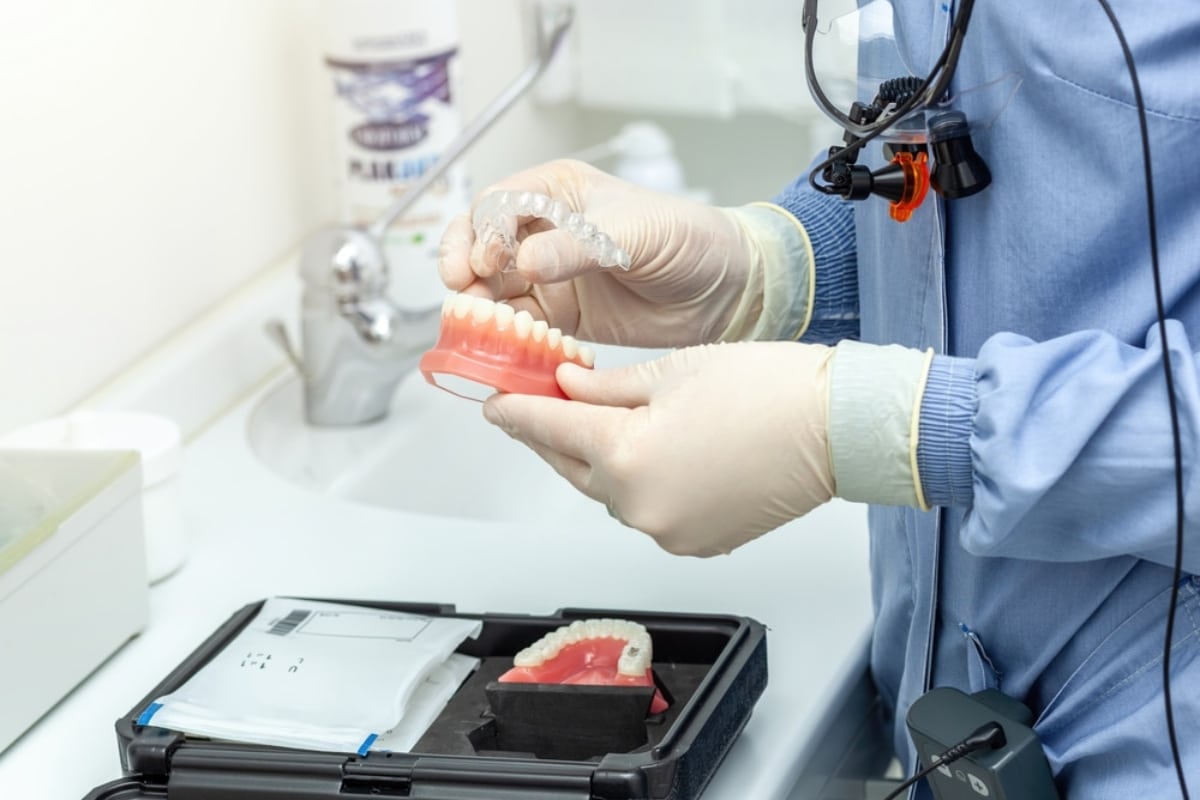
If you’re looking for one of the gentlest ways to straighten your teeth, Invisalign is often the top choice. These clear aligners are smooth, removable, and custom-fitted to your teeth, which means there are no brackets or wires to poke or scrape the inside of your mouth.
Why Invisalign is great for sensitive mouths:
- The trays are made from smooth plastic that won’t irritate your cheeks or gums.
- You remove them to eat and brush, reducing the chance of food getting stuck and causing gum irritation.
- There are no metal parts to create friction against soft tissue.
Invisalign is especially popular with adults and teens who want a low-profile, comfortable option. It’s not only effective, but it’s also gentle.
2. Self-Ligating Braces (Like Damon Braces)
Self-ligating braces are a modern twist on traditional metal braces. Instead of using rubber bands to hold the wire in place, they use a small built-in clip, which creates less friction and reduces pressure on the teeth and gums.
Comfort benefits of self-ligating braces:
- Fewer adjustments are needed, which means fewer appointments and less discomfort.
- The brackets are typically smaller and smoother than older styles.
- Gentle, continuous pressure helps move teeth more naturally, which can reduce soreness.
These braces can be a great middle ground for patients who want a fixed solution but need something more comfortable than traditional brackets. Our braces options in Ahwatukee, Phoenix have proven helpful for people with mild to moderate gum sensitivity, offering a more comfortable experience without compromising on results.
3. Ceramic Braces
Ceramic braces work just like metal braces, but the brackets are made from tooth-colored or clear materials. While the appearance is a major perk, they also tend to be a bit smoother and less noticeable on the inside of the lips and cheeks.
Here’s why ceramic braces might feel better:
- The brackets are polished and rounded to minimize rubbing.
- They’re a bit smaller than older-style metal brackets.
- Many patients find them gentler on the soft tissues inside their mouth.
If you’re concerned about both appearance and comfort, ceramic braces offer a nice balance.
4. Customized Braces Systems
For people with more complex sensitivities—like a combination of gum tenderness, enamel wear, or a history of irritation—customized treatment plans may offer better results. These plans don’t rely on a single type of braces but instead combine elements from different systems to reduce discomfort while still moving teeth efficiently.
Orthodontists may adjust bracket placement to avoid inflamed areas, use thinner wires to reduce pressure, or recommend switching between aligners and fixed appliances depending on how your mouth responds. The goal is to tailor the treatment not just to your teeth, but to how your gums, cheeks, and jaw handle movement and pressure over time.
If standard options haven’t worked well for you in the past, asking about a more individualized approach could help prevent recurring discomfort.
Tips for Managing Sensitivity During Treatment
No matter which option you choose, there are things you can do to make your braces feel more comfortable day to day:
- Stick to soft foods during the first few days after getting braces or switching aligners.
- Use orthodontic wax to cover any rough edges that might be irritating.
- Keep your mouth clean with regular brushing and rinsing to avoid gum inflammation.
- Stay consistent with follow-up appointments so we can adjust things as needed.
And most importantly, don’t ignore discomfort that feels beyond normal. If something doesn’t feel right, we want to hear about it.
Find Your Most Comfortable Braces Option at Woolaver Orthodontics
If you’ve been putting off orthodontic treatment because of sensitive gums or a painful past experience, we understand. Comfort is a big deal, and you deserve an option that feels right from day one.
At Woolaver Orthodontics in Ahwatukee, Phoenix, we’ll walk you through your choices and help you find a solution that supports both your smile and your comfort.
Contact us to schedule a consultation or ask questions. We’re happy to talk through your concerns and help you feel confident about your treatment plan.
FAQs
1. Can I get braces if I have very sensitive gums?
Yes, having sensitive gums doesn’t automatically rule out braces. Many orthodontic options, like Invisalign or self-ligating braces, are designed to be gentler on soft tissues. Your orthodontist can help recommend the best option based on your sensitivity and treatment goals.
2. What causes gum irritation with traditional braces?
Gum irritation usually happens because brackets and wires can rub against the inside of your cheeks and gums. Food particles getting stuck can also cause inflammation. Using smooth brackets, orthodontic wax, and maintaining good oral hygiene can reduce irritation.
3. Are clear aligners better for sensitive mouths than metal braces?
For many people, clear aligners like Invisalign feel more comfortable because they are smooth, removable, and don’t have wires or brackets that can poke or rub. However, the best choice depends on your individual case and orthodontic needs.
4. How can I reduce discomfort during orthodontic treatment?
Eating soft foods, using orthodontic wax on brackets that cause irritation, practicing excellent oral hygiene, and following your orthodontist’s instructions for appliance care can all help manage sensitivity and discomfort during treatment.
Recent Posts
December 18, 2025
Keep Your Aligners Clear, Comfortable, and Effective – A Guide From Woolaver Orthodontics

December 12, 2025
Christmas Foods That Can Damage Braces – Woolaver Orthodontics Explains

December 5, 2025
Smile Transformation with Orthodontics in 2026 – Phoenix Orthodontist Explains

November 26, 2025
How To Protect Your Smile With Orthodontic Treatments During the Holidays?

November 19, 2025
Is Your Braces Feel Tighter in Cold Phoenix Winters?