
April 7, 2025
Orthodontics

A healthy smile starts at a young age and starting caring for them can prevent orthodontic problems. While kids go through different phases of growth, some dental issues can appear earlier. It’s important for parents to recognize the early signs of orthodontic issues and address them as soon as possible to protect the dental health of their childs.
The American Association of Orthodontists (AAO) recommends that children have their first orthodontic evaluation by age 7, or sooner if you notice potential problems.
Let’s understand what are the signs that may indicate your child could benefit from early orthodontic intervention
Top 7 Early Warning Signs Your Child Needs an Orthodontist
Prolonged Thumb Sucking or Use of a Pacifier
It’s natural for babies to suck their thumbs for a long time. If these habits continue for too long, they can impact the alignment of your child’s teeth and the growth of their jaw. Prolonged thumb sucking or pacifier use can lead to problems like an open bite, where the front teeth don’t come together properly.
If you notice these habits lasting past age 3 or 4, talk to an orthodontist. They guide you to address these habits and ensure your child’s teeth develop properly.
Early or Late Loss of Baby Teeth
Kids usually start losing their baby teeth around age 6, but some children lose them earlier or later than expected. If your child loses their baby teeth too early, their adult teeth may come in crooked or overcrowded.
If baby teeth hang on too long, it can cause adult teeth to come in misaligned. An orthodontic consultation can assess your child’s dental development and provide guidance on whether early intervention is needed.
Difficulty Chewing or Biting Food
If your child has trouble chewing or biting food, it may be a sign of misalignment in their teeth or jaw. This can happen when the upper and lower teeth don’t line up properly, leading to issues like an overbite or underbite.
Difficulty in chewing can also make eating less enjoyable, which can affect your child’s nutrition. Addressing bite issues early can help your child eat comfortably and avoid more serious problems as they grow.
Mouth Breathing
Breathing through the mouth instead of the nose is a common habit, but it can cause more than just dry lips. When your child breathes through their mouth regularly, it can affect the shape of their jaw and the alignment of their teeth. It can also increase the risk of gum disease and other dental issues.
If you notice your child breathing through their mouth during the day or while sleeping, it’s important to get it checked out. Early intervention can help prevent long-term oral health problems.
Teeth Crowding or Spacing
Teeth that are crowded or too far apart can be a sign of orthodontic issues that may worsen over time. Crowded teeth can make brushing and flossing more difficult, increasing the risk of cavities and gum disease.
Spaced-out teeth can affect your child’s smile and make them self-conscious. An orthodontist can help guide your child’s teeth into better positions, preventing more complex treatment later on.
Jaw Shifting or Clicking Sounds
If your child’s jaw shifts when they talk or makes clicking sounds when they open or close their mouth, it could be a sign of an underlying issue with their jaw joint (the temporomandibular joint or TMJ). These symptoms can be a result of a misalignment in the teeth or jaw, which can lead to discomfort, headaches, or difficulty chewing.
Over time, these issues can worsen, causing chronic pain and even affecting daily functions. Identifying and addressing the problem early can prevent long-term discomfort and keep your child’s jaw healthy and aligned.
Speech Difficulties
Misaligned teeth and jaw problems can also affect speech development. If your child has trouble pronouncing certain sounds or struggles to speak clearly, it could be due to issues with the way their teeth come together.
For example, an overbite can make it difficult to articulate certain words properly, while crowded teeth can affect pronunciation. Early orthodontic intervention can help improve speech clarity and avoid long-term issues that might affect your child’s confidence and communication.
Have You Noticed Orthodontics Issues in Your Child?
Catching any potential orthodontic issues early can protect your child’s smile. Sometimes those little quirks we see in their baby teeth disappear on their own, but it’s important to keep an eye on them as your child grows.
At Woolaver Orthodontics, we specialize in treating orthodontic concerns, ensuring your child’s smile stays healthy and strong. If you’ve noticed any of these signs in your child, schedule a consultation us today. Our team is here to guide you through every step of the process, helping your child develop the beautiful smile they deserve.
Recent Post
December 18, 2025
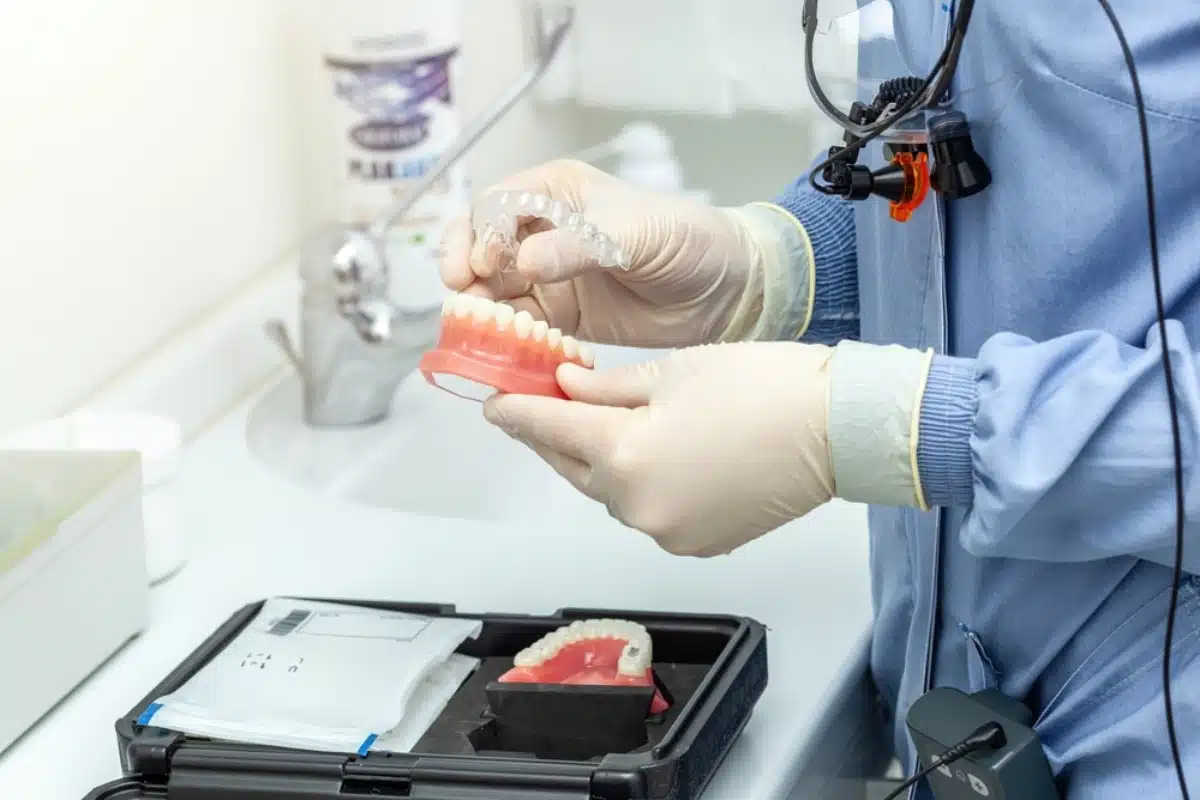
Keep Your Aligners Clear, Comfortable, and Effective - A Guide From Woolaver Orthodontics

December 12, 2025
Christmas Foods That Can Damage Braces – Woolaver Orthodontics Explains

December 5, 2025
Smile Transformation with Orthodontics in 2026 – Phoenix Orthodontist Explains
November 26, 2025
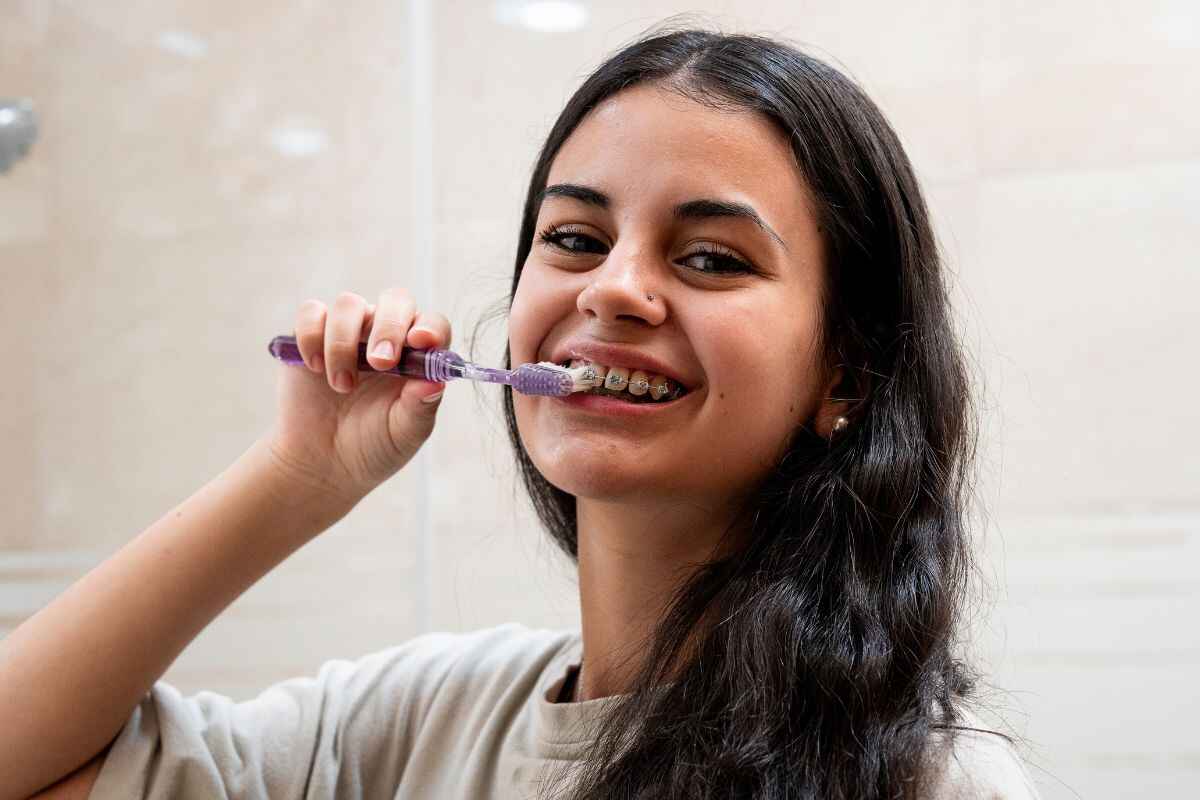
How To Protect Your Smile With Orthodontic Treatments During the Holidays?

November 19, 2025
Is Your Braces Feel Tighter in Cold Phoenix Winters?
Categories
Orthodontics (38)
Unable to locate Global Block : 83