
October 14, 2024
/
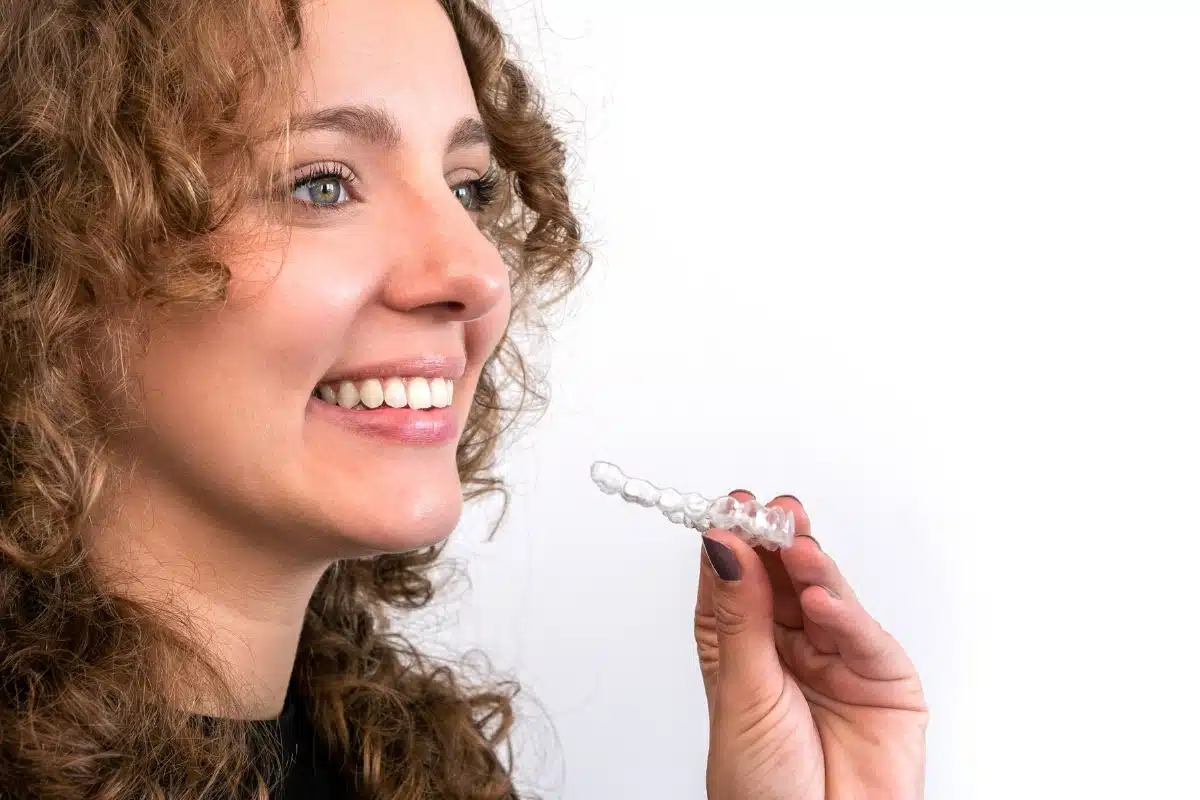
Invisalign is a cutting-edge orthodontic treatment that uses clear, removable aligners to straighten teeth gradually. These aligners are custom-made to fit your teeth perfectly and work by applying gentle pressure to shift them into the desired position over time. Because Invisalign trays are virtually invisible, they are a favorite among people who prefer a more subtle orthodontic solution compared to traditional metal braces.
How Does Invisalign Work?
The Invisalign process starts with a thorough examination of your teeth by an orthodontist. A 3D scan or mold is taken, which allows for a custom set of aligners to be made specifically for your teeth. You’ll wear each set of aligners for about 1-2 weeks, moving on to the next set as your teeth gradually shift into the correct alignment. Over time, the aligners will guide your teeth into their ideal positions.
Understanding Minor Dental Issues
What Qualifies as a Minor Case?
A minor Invisalign case typically involves slight adjustments to the teeth. These may include small gaps between teeth, slightly crooked teeth, or minimal crowding. Minor cases usually don’t require extensive movement, which is why the treatment time is often shorter than for more complex issues.
Types of Minor Orthodontic Problems Invisalign Can Fix
Invisalign can effectively correct a range of minor dental issues, including:
- Small gaps between teeth
- Slight crowding
- Mild overbites or underbites
- Minor misalignments
If your orthodontic issues are more severe, you might need a longer treatment plan or even consider traditional braces.
The Treatment Timeline for Minor Cases
Average Treatment Duration for Minor Cases
For most minor cases, Invisalign treatment typically takes between 6 to 12 months. This timeline can vary depending on factors such as the complexity of your dental issues and how diligently you follow your orthodontist’s instructions.
Factors That Influence the Treatment Time
Several factors can impact how long Invisalign will take, including:
- The severity of your dental issue
- How often you wear the aligners (the recommendation is at least 22 hours a day)
- The alignment of your bite
- Your age (younger patients may experience quicker results)
How Invisalign Works for Minor Cases
Initial Consultation and 3D Scans
During your first visit to the orthodontist in Phoenix, they will take 3D scans of your teeth to create a personalized treatment plan. This will help map out the movement of your teeth and the estimated timeline.
Customizing the Invisalign Trays
Once the scans are complete, custom Invisalign trays are created to fit your teeth. Each set of trays is designed to move your teeth in small increments. You’ll typically switch to a new set of trays every 1-2 weeks.
Comparing Invisalign and Traditional Braces for Minor Cases
Why Invisalign May Be a Better Option
For minor cases, Invisalign is often the preferred choice due to its convenience and aesthetic appeal. The clear aligners are nearly invisible, making them a great option for adults or teens who want a subtle treatment.
How Braces Differ from Invisalign
Traditional braces use metal brackets and wires to move teeth, which are more visible and can be uncomfortable. While braces can sometimes be more effective for complex cases, Invisalign is a more comfortable and less intrusive option for minor cases.
What to Expect During Your Invisalign Treatment
The First Few Days: Getting Used to Your Aligners
During the first few days of wearing Invisalign, you might experience some discomfort as your teeth adjust to the aligners. This is normal and usually subsides within a few days.
Regular Check-Ups and Tray Changes
You’ll need to visit your orthodontist for regular check-ups, typically every 6-8 weeks, to ensure your treatment is progressing as planned. During these visits, you’ll receive new trays and adjustments if necessary.
Tips for Speeding Up Invisalign Treatment for Minor Cases
Consistent Wear Time
The more consistently you wear your aligners, the quicker your treatment will be. Aim for wearing them at least 22 hours a day to stay on track.
Keeping Up With Dental Hygiene
Good oral hygiene is crucial during Invisalign treatment. Make sure to brush and floss regularly to avoid any complications that could prolong your treatment.
Are There Any Risks to Quick Treatment?
Moving Teeth Too Quickly
While everyone wants fast results, moving your teeth too quickly can cause long-term damage. It’s important to follow your orthodontist’s recommendations to avoid any risks.
Ensuring Long-Term Stability
Rushing through treatment can also increase the likelihood of teeth shifting back to their original positions. Patience is key for lasting results.
Post-Treatment: Retainers and Long-Term Care
Importance of Wearing Retainers
After completing your Invisalign treatment, you’ll need to wear retainers to maintain your new smile. Without retainers, teeth may gradually move back to their old positions.
Maintaining Your New Smile
Regular dental visit and good oral hygiene will help ensure that your new smile lasts for years to come.
Conclusion
Invisalign is an excellent option for treating minor dental issues, offering a quicker and more comfortable alternative to traditional braces. Most minor cases can be completed in 6 to 12 months, depending on the individual and how well they follow the treatment plan. With proper care and consistent wear, you can achieve a straighter smile in a relatively short period.
Thank you for visiting our blog, and we look forward to being your trusted partner in achieving and maintaining a healthy, beautiful smile. If you have any questions or would like to schedule an appointment with our orthodontist , please don’t hesitate to reach out to us at our dental office near you.
Recent Posts
December 18, 2025
Keep Your Aligners Clear, Comfortable, and Effective – A Guide From Woolaver Orthodontics

December 12, 2025
Christmas Foods That Can Damage Braces – Woolaver Orthodontics Explains

December 5, 2025
Smile Transformation with Orthodontics in 2026 – Phoenix Orthodontist Explains

November 26, 2025
How To Protect Your Smile With Orthodontic Treatments During the Holidays?

November 19, 2025
Is Your Braces Feel Tighter in Cold Phoenix Winters?