
August 21, 2024
General dentistry
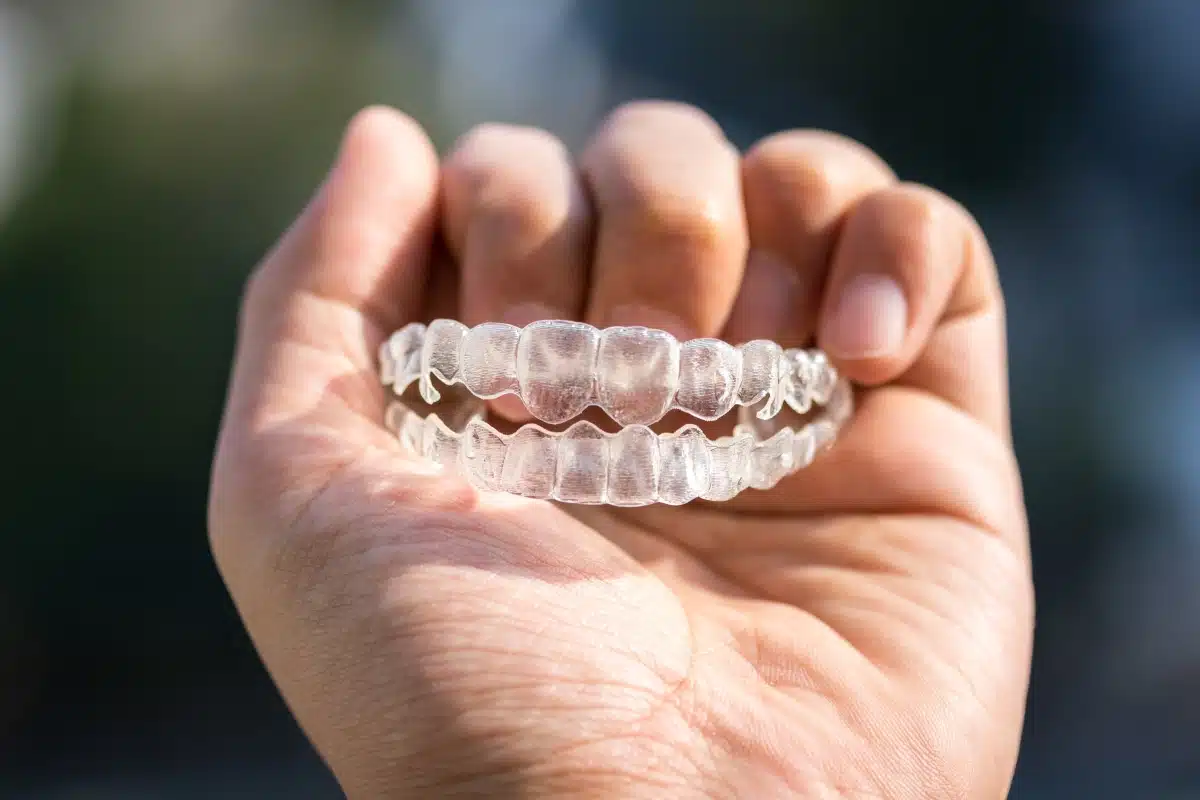
Invisalign has revolutionized the field of orthodontics, offering a discreet and convenient way to straighten teeth without the need for traditional metal braces. But as appealing as Invisalign may sound, it isn’t suitable for everyone. To achieve the best results, it’s crucial to understand who makes a good candidate for Invisalign and who might not benefit from this treatment.
What is Invisalign?
Invisalign is a popular orthodontic treatment that uses a series of clear, custom-made aligners to gradually shift teeth into their desired positions. Unlike traditional braces, which use metal brackets and wires, Invisalign aligners are virtually invisible and can be removed for eating, drinking, and cleaning. This flexibility makes Invisalign a preferred choice for many, particularly adults and teens who are conscious of their appearance.
How Invisalign Works
The treatment begins with a digital scan of your teeth, which is used to create a personalized treatment plan. This plan outlines the movement of your teeth from their current position to the desired alignment. You’ll receive a set of aligners, each slightly different from the last, to be worn for about two weeks before moving on to the next set. Over time, these aligners gradually move your teeth into the correct position.
Ideal Candidates for Invisalign
Invisalign works best for individuals with mild to moderate dental issues. The treatment is most effective for:
- Mild Crowding: When teeth are slightly crowded or overlapping.
- Minor Gaps: Small spaces between teeth that need to be closed.
- Mild Overbite or Underbite: When the upper or lower teeth slightly overlap the other.
- Adults and Teens: Invisalign is most commonly used by adults and teens who have all of their permanent teeth.
Who Might Not Be a Good Candidate for Invisalign?
While Invisalign offers many benefits, it’s not the ideal solution for everyone. Several factors can make someone a poor candidate for Invisalign treatment:
Severe Orthodontic Issues
Invisalign is designed to handle mild to moderate cases. If you have severe misalignment, significant bite issues, or complex orthodontic needs, traditional braces may be a better option. Braces can apply more consistent pressure on the teeth, which is necessary for correcting more serious dental problems.
Children or Young Teens
Invisalign is generally recommended for adults and older teens. Younger children, who still have their baby teeth or are in the early stages of dental development, may not be suitable for Invisalign. The aligners require a certain level of maturity and responsibility, as they need to be worn for most of the day and require careful maintenance.
Patients with Poor Oral Hygiene
Oral hygiene is paramount during Invisalign treatment. The aligners must be kept clean, and so must your teeth. If you struggle with maintaining good oral hygiene, Invisalign might not be the best option. Bacteria can easily get trapped between the aligners and your teeth, leading to cavities or gum disease.
Individuals with Uncontrolled Gum Disease
Gum disease can be a serious issue during orthodontic treatment. If you have gum disease that is not under control, Invisalign could exacerbate the problem. The pressure from the aligners could worsen the condition, leading to more severe dental issues. It’s essential to address any gum problems before starting Invisalign treatment.
Those Who Lack Discipline
Invisalign requires commitment. The aligners need to be worn for at least 20-22 hours a day. If you’re not disciplined about wearing them, the treatment won’t be effective. Skipping days or not wearing the aligners as instructed can delay your progress and even cause your teeth to shift back to their original position.
Heavy Smokers
Smoking can interfere with Invisalign treatment. Nicotine can stain the clear aligners, making them less discreet. Moreover, smoking can contribute to oral health issues like gum disease and tooth decay, which can complicate your treatment. If you’re a heavy smoker, it might be worth considering alternative orthodontic options or quitting smoking before starting Invisalign.
Specific Dental Conditions That May Exclude You from Invisalign
Certain dental conditions can make Invisalign less effective or unsuitable altogether:
Severe Overbite or Underbite
If you have a significant overbite or underbite, where the upper or lower teeth substantially overlap the opposite arch, Invisalign might not be able to fully correct the issue. Traditional braces, or even surgery in extreme cases, may be necessary.
Large Gaps Between Teeth
While Invisalign can close small gaps between teeth, large gaps can be challenging. The aligners may not apply enough pressure to close significant spaces, and additional treatments like veneers or bonding might be needed.
Rotated Teeth
Teeth that are rotated more than 20 degrees from their normal position can be difficult to treat with Invisalign. The aligners may struggle to grip the teeth firmly enough to rotate them back into place, making traditional braces a better option.
Previous Dental Work
If you have extensive dental work, such as crowns, bridges, or implants, Invisalign may not be the best choice. These dental fixtures can complicate the movement of your teeth, and the aligners may not fit properly over them.
Alternatives to Invisalign
If Invisalign isn’t right for you, there are several other orthodontic options to consider:
Traditional Braces
Traditional metal braces are highly effective for a wide range of orthodontic issues, including severe misalignment and complex bite problems.
Lingual Braces
Lingual braces are similar to traditional braces but are placed on the inside of the teeth, making them less visible.
Ceramic Braces
Ceramic braces are made from clear or tooth-colored materials, offering a more discreet appearance than metal braces.
Clear Aligner Brands for More Complex Cases
There are other clear aligner brands designed to handle more complex orthodontic issues. Your orthodontist can recommend the best option based on your specific needs.
Consultation with an Orthodontist
Before deciding on Invisalign or any other orthodontic treatment, it’s crucial to have a consultation with an orthodontist. A professional evaluation will help determine the best treatment plan for your unique dental needs. Be sure to choose an experienced orthodontist who can guide you through the process and answer any questions you may have.
Conclusion
Invisalign is an excellent option for many people, but it’s not a one-size-fits-all solution. Understanding whether you’re a good candidate is the first step toward achieving the smile you’ve always wanted. If you’re considering Invisalign, be sure to visit an orthodontist near you to explore all your options and make an informed decision.
Recent Post
December 18, 2025
Keep Your Aligners Clear, Comfortable, and Effective - A Guide From Woolaver Orthodontics

December 12, 2025
Christmas Foods That Can Damage Braces – Woolaver Orthodontics Explains

December 5, 2025
Smile Transformation with Orthodontics in 2026 – Phoenix Orthodontist Explains
November 26, 2025
How To Protect Your Smile With Orthodontic Treatments During the Holidays?

November 19, 2025
Is Your Braces Feel Tighter in Cold Phoenix Winters?
Categories
General dentistry (69)
Unable to locate Global Block : 83