
August 6, 2024
General dentistry

Invisalign is a popular orthodontic treatment that offers a discreet way to straighten teeth. However, if you suffer from bruxism—a condition where you grind or clench your teeth—there are some important considerations to keep in mind. This article will explore whether it’s safe to wear Invisalign overnight with bruxism, and how you can manage both issues effectively.
What is Invisalign?
The Basics of Invisalign
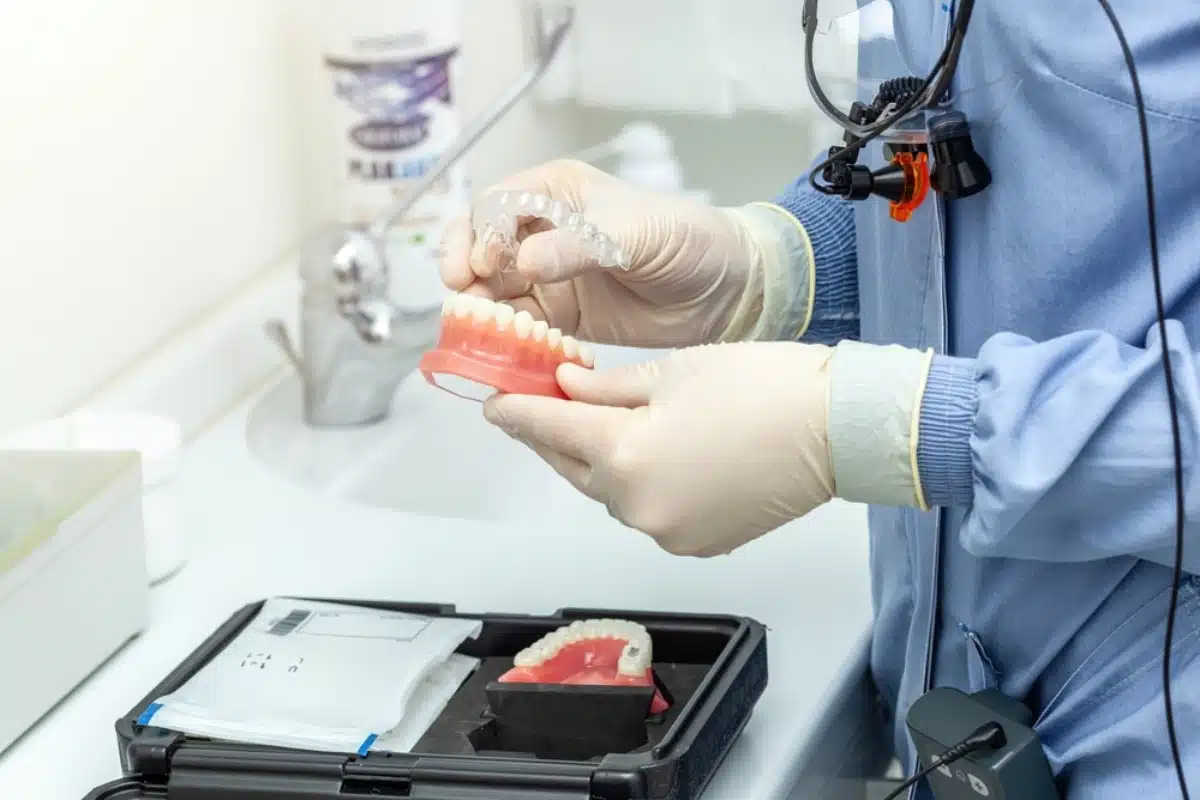
Invisalign uses a series of clear, removable aligners to gradually shift your teeth into the desired position. Unlike traditional metal braces, these aligners are virtually invisible and can be removed for eating and cleaning.
Understanding Bruxism
What is Bruxism?
Bruxism is a condition characterized by involuntary grinding or clenching of the teeth. This can occur during the day or night and may lead to tooth wear, jaw pain, and other dental issues.
How Bruxism Affects Dental Health
Bruxism can cause significant damage to your teeth, including enamel erosion and cracks. It can also affect dental appliances, including Invisalign aligners.
Wearing Invisalign Overnight
The Role of Aligners During Sleep
Invisalign aligners are designed to be worn for 20 to 22 hours a day, including overnight. This continuous wear is essential for the treatment to be effective.
How Bruxism Might Impact Invisalign
Wearing Invisalign overnight with bruxism can potentially cause damage to the aligners. The pressure from grinding or clenching can lead to cracks or deformities in the aligners, which may affect their fit and the overall progress of your treatment.
Tips for Managing Bruxism with Invisalign
Consult Your Orthodontist
Before making any changes to your treatment plan, consult with your orthodontist. They can provide specific recommendations based on your situation and may suggest additional solutions.
Consider a Night Guard
A night guard is a custom-made appliance that fits over your teeth to protect them from the damage caused by bruxism. Your orthodontist may recommend wearing a night guard over your Invisalign aligners to prevent damage.
Monitor and Adjust Your Treatment
Regular check-ups with your orthodontist are crucial. They will monitor the condition of your aligners and make any necessary adjustments to ensure that your treatment progresses smoothly.
Alternative Solutions
Invisalign Refinements
If bruxism causes damage to your aligners, your orthodontist may need to create new aligners or refine your treatment plan. Invisalign refinements involve creating new aligners based on the progress made so far and any changes needed due to bruxism.
Addressing Bruxism Directly
Addressing the underlying cause of bruxism is also important. Stress management, therapy, or other treatments might be recommended to reduce the frequency and severity of teeth grinding.
Conclusion
Wearing Invisalign overnight with bruxism requires careful management to avoid damaging your aligners and compromising your treatment. Go for local orthodontist and considering additional protective measures like a night guard can help ensure that you achieve the best results from your Invisalign treatment while managing bruxism effectively.
Recent Post
December 18, 2025
Keep Your Aligners Clear, Comfortable, and Effective - A Guide From Woolaver Orthodontics

December 12, 2025
Christmas Foods That Can Damage Braces – Woolaver Orthodontics Explains

December 5, 2025
Smile Transformation with Orthodontics in 2026 – Phoenix Orthodontist Explains

November 26, 2025
How To Protect Your Smile With Orthodontic Treatments During the Holidays?

November 19, 2025
Is Your Braces Feel Tighter in Cold Phoenix Winters?
Categories
General dentistry (69)
Unable to locate Global Block : 83