
August 11, 2024
General dentistry
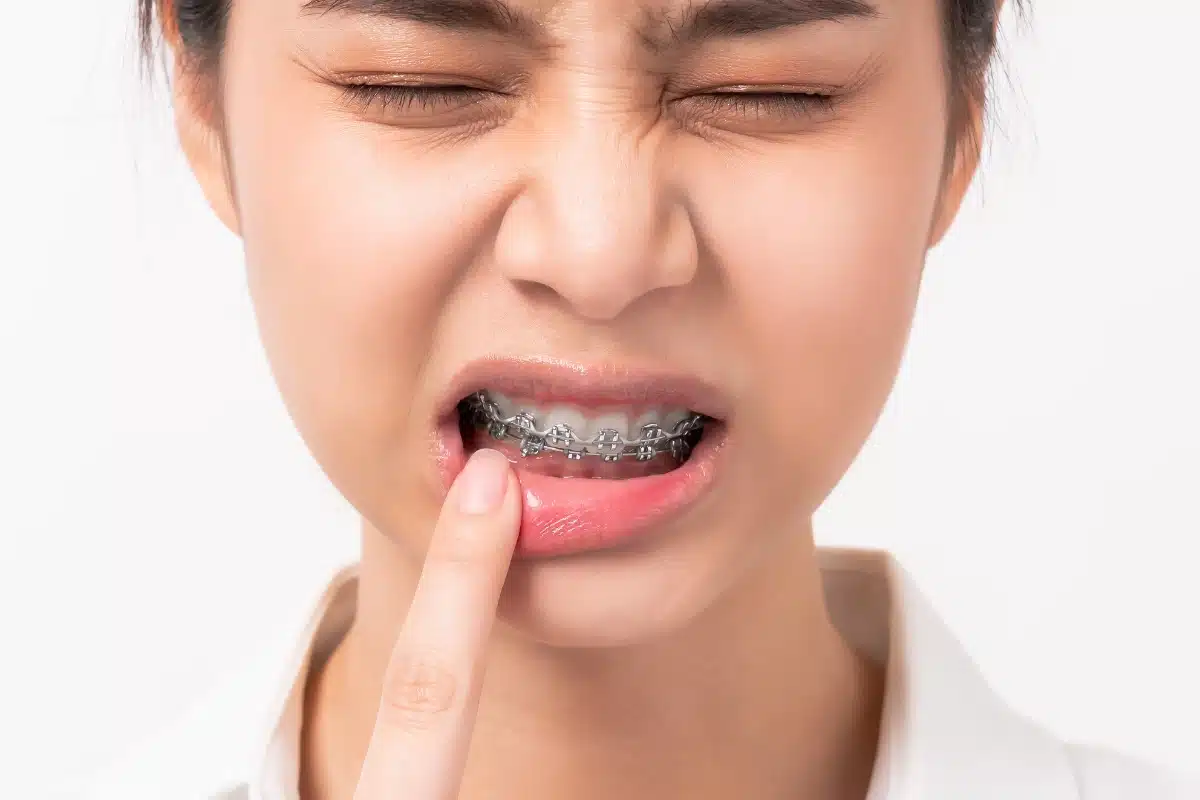
Braces are a common orthodontic solution designed to straighten teeth and correct bite issues. While they offer significant benefits for dental health and aesthetics, they can sometimes cause orofacial pain. Understanding why this happens can help patients manage their discomfort and address any issues effectively.
Overview of Braces and Their Purpose
Braces consist of brackets, wires, and bands that apply gradual pressure to teeth, moving them into their proper positions. This process improves alignment and bite function, but it can also lead to temporary discomfort.
Understanding Orofacial Pain
Orofacial pain encompasses discomfort in the mouth, jaw, and face. It includes various conditions such as bruxism, temporomandibular joint disorder (TMJ/TMD), and general orthodontic pain. Each of these can be exacerbated by braces.
Common Types of Orofacial Pain
Bruxism (Teeth Grinding)
Bruxism involves clenching or grinding teeth, often occurring unconsciously during sleep or stress. Braces can increase bruxism by altering bite alignment, leading to additional pressure on teeth and jaws.
Temporomandibular Joint Disorder (TMJ/TMD)
TMJ/TMD affects the joints connecting the jawbone to the skull. Braces can exacerbate TMJ/TMD symptoms by shifting the bite and creating uneven forces on the jaw.
Orthodontic Pain
Orthodontic pain is a common side effect of braces, particularly after adjustments. It results from the pressure applied to teeth and surrounding tissues as they move into alignment.
Causes of Orofacial Pain with Braces
Adjustment Period
When braces are first applied or adjusted, patients may experience discomfort as their teeth and gums adapt to the new pressure. This period can last from a few days to a couple of weeks.
Pressure on Teeth and Gums
Braces apply continuous pressure on teeth to shift them into the desired position. This pressure can cause pain and sensitivity in the teeth and gums, especially when braces are adjusted.
Misalignment and Bite Issues
Improperly aligned braces or incorrect bite adjustments can lead to uneven pressure on the jaw and teeth. This misalignment can contribute to orofacial pain by straining the jaw muscles and joints.
Mechanism of Pain Development
How Braces Affect Teeth Movement
Braces work by exerting pressure on teeth, which causes them to move through the bone. This movement can stretch the periodontal ligaments and irritate the surrounding tissues, leading to pain.
Pain Response in the Jaw and Face
The discomfort experienced in the jaw and face is due to the strain placed on the muscles and joints as they adjust to the changes in tooth alignment. This response can manifest as soreness or aching in the orofacial region.
Impact on Soft Tissues
Braces can irritate the soft tissues of the mouth, including the inside of the cheeks and gums. This irritation, combined with the pressure of the braces, can exacerbate orofacial pain.
Managing Orofacial Pain
Pain Relief Strategies
Over-the-Counter Pain Relievers
Non-prescription pain relievers such as ibuprofen or acetaminophen can help alleviate discomfort. These medications reduce inflammation and relieve pain, making the adjustment period more manageable.
Heat and Cold Therapy
Applying a warm compress or an ice pack to the affected area can soothe pain and reduce swelling. Heat helps relax tense muscles, while cold therapy numbs the pain and decreases inflammation.
Orthodontic Wax
Orthodontic wax can be applied to the brackets and wires to prevent irritation of the soft tissues. This simple remedy can significantly reduce pain and discomfort during the initial stages of wearing braces.
Professional Treatments
Adjustments by Orthodontist
If pain persists or worsens, an orthodontist may need to make adjustments to the braces. This might involve modifying the wires or brackets to alleviate undue pressure on specific teeth or areas.
Consultation with a Pain Specialist
For severe or chronic orofacial pain, consulting a pain specialist or a dentist experienced in managing orofacial conditions might be necessary. They can provide tailored treatments and pain management strategies.
Preventative Measures
Proper Braces Care
Maintaining good oral hygiene and following your orthodontist’s care instructions can help prevent complications and reduce the likelihood of pain. Regular cleaning and adjustments are crucial for a smooth treatment process.
Regular Dental Check-Ups
Routine dental check-ups ensure that braces are functioning correctly and that no issues are developing. Regular visits to a local dentist allow for early detection and treatment of any problems that could cause pain.
Stress Management Techniques
Since stress can contribute to bruxism and exacerbate pain, practicing stress management techniques such as relaxation exercises or mindfulness can be beneficial.
When to Seek Professional Help
Signs of Severe Pain
If the pain is severe, persistent, or worsening despite following recommended pain relief methods, it’s essential to seek professional help. This could indicate a problem with the braces or an underlying condition.
Symptoms That Warrant Immediate Attention
Seek immediate attention if you experience symptoms such as severe swelling, difficulty opening your mouth, or significant changes in bite alignment. These signs could indicate a more serious issue that needs prompt intervention.
Conclusion
Braces can cause orofacial pain due to the adjustments they make to your teeth and bite. Understanding the causes and managing the discomfort with appropriate strategies can help you navigate this aspect of orthodontic treatment more comfortably. If pain persists or becomes severe, consulting with your orthodontist or a specialist can ensure you receive the necessary care.
Recent Post
December 18, 2025
Keep Your Aligners Clear, Comfortable, and Effective - A Guide From Woolaver Orthodontics

December 12, 2025
Christmas Foods That Can Damage Braces – Woolaver Orthodontics Explains

December 5, 2025
Smile Transformation with Orthodontics in 2026 – Phoenix Orthodontist Explains

November 26, 2025
How To Protect Your Smile With Orthodontic Treatments During the Holidays?
November 19, 2025
Is Your Braces Feel Tighter in Cold Phoenix Winters?
Categories
General dentistry (69)
Unable to locate Global Block : 83