
July 26, 2024
General dentistry

Orthodontic records are a cornerstone in ensuring the success and effectiveness of orthodontic treatment. These records provide the foundational data needed to diagnose, plan, and monitor the progress of treatments such as braces and Invisalign®. This comprehensive guide will explore the vital aspects of orthodontic records, shedding light on their importance and the role they play in achieving optimal orthodontic outcomes.
Understanding Orthodontic Records
Orthodontic records consist of a variety of documents and images that together offer a complete picture of a patient’s dental and skeletal structures. They are critical for several reasons:
Diagnosis
Accurate diagnosis of dental and orthodontic issues is the first step in effective treatment. Orthodontic records help in:
- Identifying Problems: Detailed images and models assist in pinpointing specific issues such as misalignment, overcrowding, or bite problems.
- Assessing Severity: Records help in evaluating the extent of the problems, which is crucial for planning appropriate interventions.
Treatment Planning
Creating a customized treatment plan tailored to the patient’s unique needs is essential for successful outcomes. Orthodontic records assist in:
- Developing a Strategy: Based on the collected data, orthodontists can design a treatment plan that addresses individual issues effectively.
- Selecting Appliances: The type and design of orthodontic appliances, such as braces or aligners, are chosen based on detailed records.
Progress Monitoring
Tracking the effectiveness of the treatment over time ensures that adjustments can be made as needed. Orthodontic records help in:
- Measuring Success: Regular updates to the records allow orthodontists to gauge progress and determine if the treatment is on track.
- Making Adjustments: If necessary, the treatment plan can be modified based on observed progress.
Legal Documentation
Orthodontic records also serve as a legal document of the patient’s condition and treatment progress. This documentation can be important for:
- Insurance Purposes: Records provide evidence required for insurance claims and coverage.
- Patient Records: They ensure a comprehensive history of treatment for future reference or potential legal issues.
Types of Orthodontic Records
Orthodontic records encompass several types of data, each serving a specific purpose in the treatment process:
1. Clinical Photographs
Clinical photographs provide a detailed visual record of the patient’s oral condition. They include:
- Intraoral Photographs: These images capture the inside of the mouth, focusing on the alignment of teeth, occlusion, and overall oral health. They are crucial for assessing how teeth are positioned and how they interact with each other.
- Extraoral Photographs: Images taken of the face and profile help evaluate facial aesthetics, the relationship between facial structures, and skeletal relationships. These photographs are important for understanding how orthodontic changes may impact the patient’s overall appearance.
2. Diagnostic Casts
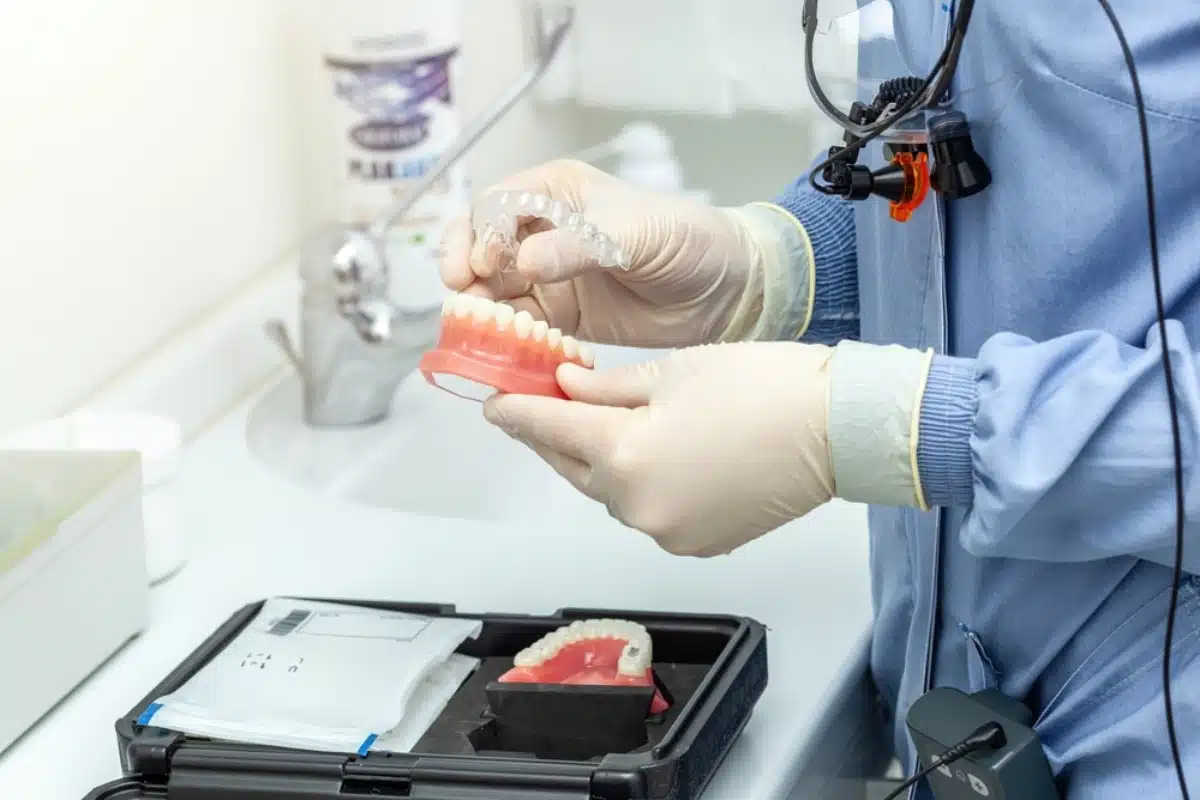
Diagnostic casts are 3D models of the patient’s teeth and oral structures, created using impressions or digital scanning techniques. They are used to:
- Analyze Tooth Alignment: Casts provide a detailed view of tooth positioning and how teeth align with each other, aiding in identifying any misalignments or spacing issues.
- Plan Treatment: These models help in designing orthodontic appliances and assessing how well they will fit and function in the patient’s mouth.
3. Radiographs
Radiographs, or X-rays, offer essential insights into the internal structures of the mouth and jaw. Common types include:
- Panoramic X-rays: These provide a broad view of the entire mouth, including teeth, jawbone, and sinuses. They are useful for identifying issues affecting multiple areas simultaneously.
- Cephalometric X-rays: Offering a side view of the head, these X-rays analyze skeletal and dental relationships, crucial for assessing the alignment of the jaw and teeth.
- Periapical X-rays: These focus on individual teeth to examine their root structure and surrounding bone, helping to identify issues such as infections or abnormalities.
4. Medical and Dental History
A comprehensive medical and dental history is essential for understanding the patient’s overall health and previous treatments. This includes:
- Medical Conditions: Information about chronic illnesses, allergies, and medications that may impact orthodontic treatment, ensuring that the treatment plan considers any potential health risks.
- Dental History: Details of previous orthodontic treatments, dental procedures, and any issues such as tooth extractions or restorations, providing context for current treatment needs.
The Role of Orthodontic Records in Treatment Planning
Orthodontic records are pivotal in creating effective treatment plans and monitoring progress. Here’s how they contribute to successful treatment:
1. Personalized Treatment Plans
Orthodontic records allow for the development of highly customized treatment plans. By analyzing the data, orthodontists can:
- Identify Issues: Determine the specific nature and extent of dental problems, leading to a more targeted approach.
- Select Appropriate Appliances: Choose the most effective orthodontic devices, such as traditional braces or Invisalign aligners, based on the patient’s unique needs.
- Predict Outcomes: Forecast potential results and make necessary adjustments to the treatment plan to ensure desired outcomes.
2. Monitoring Progress
Throughout the treatment process, orthodontic records are essential for:
- Tracking Changes: Comparing follow-up photographs and radiographs to assess improvements and track how well the treatment is progressing.
- Adjusting Treatment: Making modifications to the treatment plan based on observed progress and any emerging issues, ensuring that the treatment remains effective and aligned with the patient’s needs.
3. Enhancing Communication
Orthodontic records facilitate clear communication between the orthodontist, patient, and other healthcare providers:
- Explaining Treatment: Providing visual aids and detailed records help patients understand their condition, the treatment process, and the expected outcomes.
- Collaborating with Specialists: Sharing detailed records with other dental professionals when necessary ensures a coordinated approach to the patient’s care, especially if multiple specialists are involved.
Best Practices for Maintaining Orthodontic Records
Accurate Data Collection
Ensure that all records are collected accurately and comprehensively to provide a reliable basis for treatment planning.
Regular Updates
Update records regularly to reflect any changes in the patient’s condition or treatment progress.
Confidentiality
Maintain the confidentiality and security of orthodontic records in compliance with relevant regulations and standards.
Conclusion
Orthodontic records are indispensable tools that significantly impact the success of orthodontic treatments. They facilitate precise diagnosis, personalized treatment planning, and effective progress monitoring. By understanding and utilizing these records properly, orthodontists can ensure optimal outcomes for their patients.
Choosing between braces and Invisalign® depends on your unique orthodontic needs, and our expert team is here to help guide you. Visit our dental office to explore the best options for achieving a confident, healthy smile.
Recent Post
December 18, 2025
Keep Your Aligners Clear, Comfortable, and Effective - A Guide From Woolaver Orthodontics

December 12, 2025
Christmas Foods That Can Damage Braces – Woolaver Orthodontics Explains

December 5, 2025
Smile Transformation with Orthodontics in 2026 – Phoenix Orthodontist Explains

November 26, 2025
How To Protect Your Smile With Orthodontic Treatments During the Holidays?

November 19, 2025
Is Your Braces Feel Tighter in Cold Phoenix Winters?
Categories
General dentistry (69)
Unable to locate Global Block : 83