
July 1, 2024
General dentistry
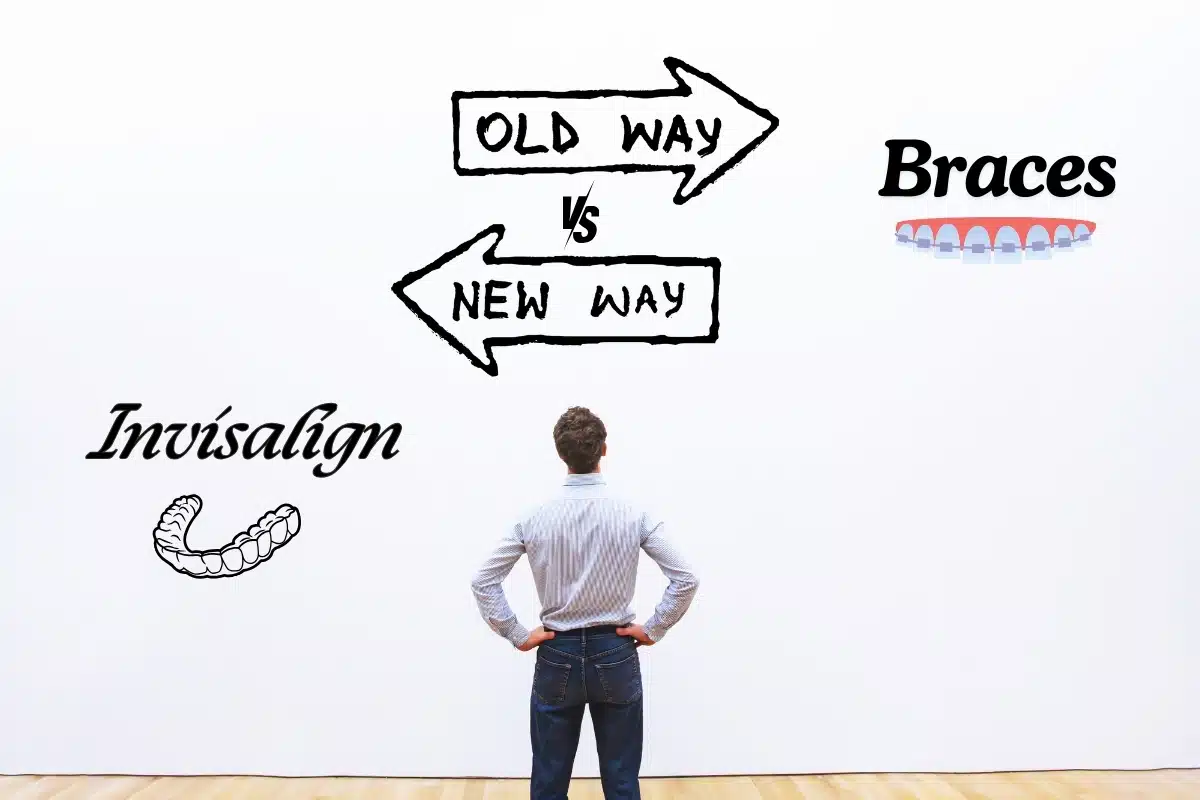
Orthodontic treatments, such as braces and Invisalign, can help improve your smile and oral health. However, if you have diabetes, it’s essential to understand how your condition might impact your orthodontic care and what steps you can take to ensure successful treatment.
Orthodontic Treatment with Diabetes
- Planning and Preparation: Before starting orthodontic treatment, it’s crucial to have a thorough consultation with both your dentist and orthodontist. Inform them about your diabetes, as well-controlled blood sugar levels are vital for successful treatment and healing. They may also coordinate with your diabetes care team to ensure all aspects of your health are considered.
- Braces and Oral Hygiene: Traditional braces involve brackets and wires that can make maintaining oral hygiene more challenging. Since diabetes can increase the risk of gum disease and infections, meticulous oral hygiene is essential. Here are some tips:
- Brushing and Flossing: Brush your teeth after every meal using a soft-bristled toothbrush and fluoride toothpaste. Use floss threaders or special orthodontic floss to clean between your teeth and braces.
- Interdental Brushes: These small, brush-like tools can help clean around braces and under wires, reaching areas that a regular toothbrush might miss.
- Mouthwash: An antimicrobial or fluoride mouthwash can help reduce plaque buildup and prevent tooth decay and gum disease.
- Invisalign and Diabetes: Invisalign aligners are removable, which can make maintaining oral hygiene easier compared to traditional braces. Here’s how to manage your Invisalign treatment with diabetes:
- Cleaning Aligners: Clean your aligners thoroughly every day to prevent bacteria buildup. Rinse them with water and use a soft toothbrush to gently brush them.
- Oral Hygiene: Remove your aligners when eating and brush your teeth before putting them back in. This helps prevent food particles from being trapped against your teeth.
- Hydration: Stay hydrated to combat dry mouth, which can be more common in people with diabetes.
- Monitoring and Adjustments: Regular dental visits are crucial during orthodontic treatment. Your orthodontist will monitor the progress of your treatment and check for any signs of gum disease or other complications. If you experience any issues, such as increased gum inflammation or delayed healing, inform your orthodontist promptly.
- Managing Blood Sugar Levels: Effective diabetes management is critical during orthodontic treatment. High blood sugar levels can impair healing and increase the risk of infections. Follow your healthcare provider’s recommendations for diet, exercise, and medication to keep your blood sugar levels stable.
- Healthy Diet: A healthy diet supports both your diabetes management and orthodontic treatment. Avoid sugary snacks and beverages that can contribute to tooth decay and blood sugar spikes. Opt for a balanced diet rich in vegetables, lean proteins, and whole grains.
Conclusion
Orthodontic treatment, whether with braces or Invisalign, is possible and can be successful for individuals with diabetes. By maintaining excellent oral hygiene, managing your blood sugar levels, and working closely with your dental and healthcare providers, you can achieve a healthy and beautiful smile. If you have diabetes and are considering orthodontic treatment, contact Woolaver Orthodontics to schedule a consultation and discuss your options.
For more information or to schedule a dental appointment, contact Woolaver Orthodontics today.
Recent Post
December 18, 2025
Keep Your Aligners Clear, Comfortable, and Effective - A Guide From Woolaver Orthodontics

December 12, 2025
Christmas Foods That Can Damage Braces – Woolaver Orthodontics Explains

December 5, 2025
Smile Transformation with Orthodontics in 2026 – Phoenix Orthodontist Explains
November 26, 2025
How To Protect Your Smile With Orthodontic Treatments During the Holidays?

November 19, 2025
Is Your Braces Feel Tighter in Cold Phoenix Winters?
Categories
General dentistry (69)
Unable to locate Global Block : 83