
June 20, 2024
General dentistry
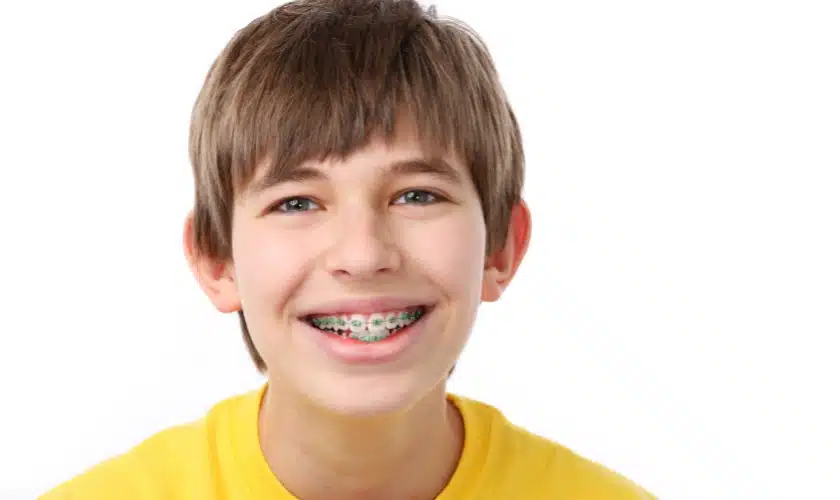
Dealing with braces can be a challenging experience, especially when they cause friction and cuts in your mouth. These issues not only bring discomfort but can also make the journey to a perfect smile seem daunting. Understanding the causes and finding effective solutions is crucial for a smoother and more comfortable orthodontic treatment.
Causes of Friction and Cuts
Improper Fitting of Braces
Braces need to be precisely fitted by your orthodontist to avoid unnecessary contact with the soft tissues of your mouth. If braces are not properly adjusted, they can rub against the inside of your cheeks, lips, or gums, leading to friction and cuts.
Sharp Edges of Brackets
Brackets have edges that can sometimes be sharp or become sharp if they get damaged. These edges can irritate the soft tissues in your mouth, causing cuts and sores.
Wire Ends Poking into the Cheeks
The ends of the wires used in braces can sometimes protrude and poke into the cheeks or gums, creating painful sores and cuts. This issue often occurs when wires shift or after adjustments are made.
Symptoms of Friction and Cuts
Redness and Irritation
The first signs of friction from braces are usually redness and irritation where the braces contact the soft tissues.
Pain and Discomfort
Pain and discomfort can range from mild to severe, depending on the extent of the irritation. This discomfort can affect eating, speaking, and general oral health.
Visible Cuts or Sores
Severe cases of friction can lead to visible cuts or sores inside the mouth. These can become quite painful and may even get infected if not properly cared for.
Preventive Measures
Regular Orthodontic Check-Ups
Frequent visits to your local orthodontist are essential. They can check for any issues and make adjustments to ensure your braces fit properly and comfortably.
Using Orthodontic Wax
Orthodontic wax can be applied to the brackets and wires to smooth out sharp edges and reduce friction. This wax acts as a barrier, preventing the braces from rubbing directly against the soft tissues of your mouth.
Proper Oral Hygiene
Good oral hygiene is crucial to prevent infections and promote healing. Regular brushing and flossing help keep your mouth clean and minimize the risk of irritation.
Immediate Relief Tips
Saltwater Rinses
Rinsing your mouth with warm saltwater can soothe irritated areas and promote healing. The saltwater helps reduce inflammation and cleanse the cuts and sores.
Over-the-Counter Pain Relievers
Taking over-the-counter pain relievers like ibuprofen or acetaminophen can help manage pain and reduce inflammation caused by the friction and cuts from braces.
Applying a Cold Compress
Using a cold compress on the outside of your mouth can help numb the affected area, reducing pain and swelling.
Long-Term Solutions
Adjusting the Braces
If you experience persistent issues, your orthodontist can adjust the braces to reduce contact with the soft tissues. Proper adjustments can significantly decrease the likelihood of friction and cuts.
Using Dental Silicone
Dental silicone can be used to cover the brackets and wires, creating a smoother surface that minimizes irritation and protects the mouth from cuts.
Exploring Alternative Orthodontic Options
If traditional braces continue to cause problems, you might consider alternative treatments such as Invisalign or ceramic braces, which are designed to reduce issues with friction and cuts.
Orthodontist’s Role
Importance of Professional Adjustments
Regular professional adjustments are crucial for ensuring your braces are functioning correctly and not causing unnecessary discomfort. Your orthodontist can make small changes to improve the fit and comfort of your braces.
When to Seek Help
If you experience severe pain, persistent sores, or significant discomfort, it’s important to seek help from your orthodontist. They can provide solutions and adjustments to alleviate the problem.
Expected Outcomes
With proper care and regular adjustments, the issues of friction and cuts should decrease over time, making your orthodontic treatment more comfortable and effective.
Conclusion
While friction and cuts from braces can be uncomfortable, there are numerous ways to manage and prevent these issues. Regular orthodontic check-ups, using orthodontic wax, and maintaining proper oral hygiene are essential steps in minimizing discomfort. Immediate relief can be found through saltwater rinses, pain relievers, and cold compresses, while long-term solutions involve adjusting the braces and exploring alternative treatments. By staying proactive and working closely with your orthodontist in Phoenix, you can ensure a more comfortable journey towards achieving a beautiful smile. Remember, the temporary discomfort of braces is a small price to pay for the lasting benefits of a perfect smile.
Thank you for stopping by our blog! We’re excited to be your trusted partner in achieving and maintaining a healthy, beautiful smile. If you have any questions or wish to schedule an appointment with our orthodontist, feel free to contact us at our nearby dental office. We’re here to help!
Recent Post
December 18, 2025
Keep Your Aligners Clear, Comfortable, and Effective - A Guide From Woolaver Orthodontics

December 12, 2025
Christmas Foods That Can Damage Braces – Woolaver Orthodontics Explains

December 5, 2025
Smile Transformation with Orthodontics in 2026 – Phoenix Orthodontist Explains
November 26, 2025
How To Protect Your Smile With Orthodontic Treatments During the Holidays?

November 19, 2025
Is Your Braces Feel Tighter in Cold Phoenix Winters?
Categories
General dentistry (69)
Unable to locate Global Block : 83