
June 10, 2024
General dentistry

Maintaining optimal dental health is often viewed solely as a means to preserve a bright smile and prevent oral diseases. However, emerging evidence suggests a profound link between oral health and digestive function. By exploring this connection, we can uncover the surprising ways in which dental treatments can significantly enhance digestive well-being.
The Oral-Digestive Link: Understanding the Connection
The Role of Saliva in Digestion
Saliva is the first substance to encounter food during the digestive process. It contains essential enzymes, such as amylase, that initiate the breakdown of carbohydrates. Proper oral hygiene and dental care ensure adequate saliva production, which is crucial for efficient digestion.
Chewing and Mechanical Digestion
The mechanical aspect of digestion begins in the mouth. Chewing breaks down food into smaller particles, increasing its surface area and making it easier for digestive enzymes to act. Dental issues such as missing teeth, misalignment, or painful cavities can hinder proper chewing, leading to larger food particles entering the digestive tract, which can strain the digestive system.
Common Dental Problems Affecting Digestion
Tooth Decay and Cavities

Tooth decay and cavities can lead to pain and discomfort, deterring individuals from thoroughly chewing their food. Inadequately chewed food can cause indigestion and other gastrointestinal issues. Regular dental check-ups and treatments can prevent decay, ensuring efficient chewing and, consequently, better digestion.
Periodontal Disease
Periodontal disease, or gum disease, involves inflammation and infection of the gums and supporting structures of the teeth. It can cause tooth loss and has been linked to systemic conditions such as heart disease and diabetes. Chronic inflammation from periodontal disease can also negatively impact the digestive system by increasing systemic inflammation and contributing to digestive disorders like irritable bowel syndrome (IBS).
How Dental Treatments Improve Digestive Health
Regular Dental Cleanings
Professional dental cleanings remove plaque and tartar build-up, reducing the risk of gum disease and tooth decay. This promotes healthy gums and teeth, ensuring proper chewing and digestion. Moreover, cleanings can detect early signs of dental issues, allowing for timely intervention and prevention of potential digestive complications.

Orthodontic Treatments
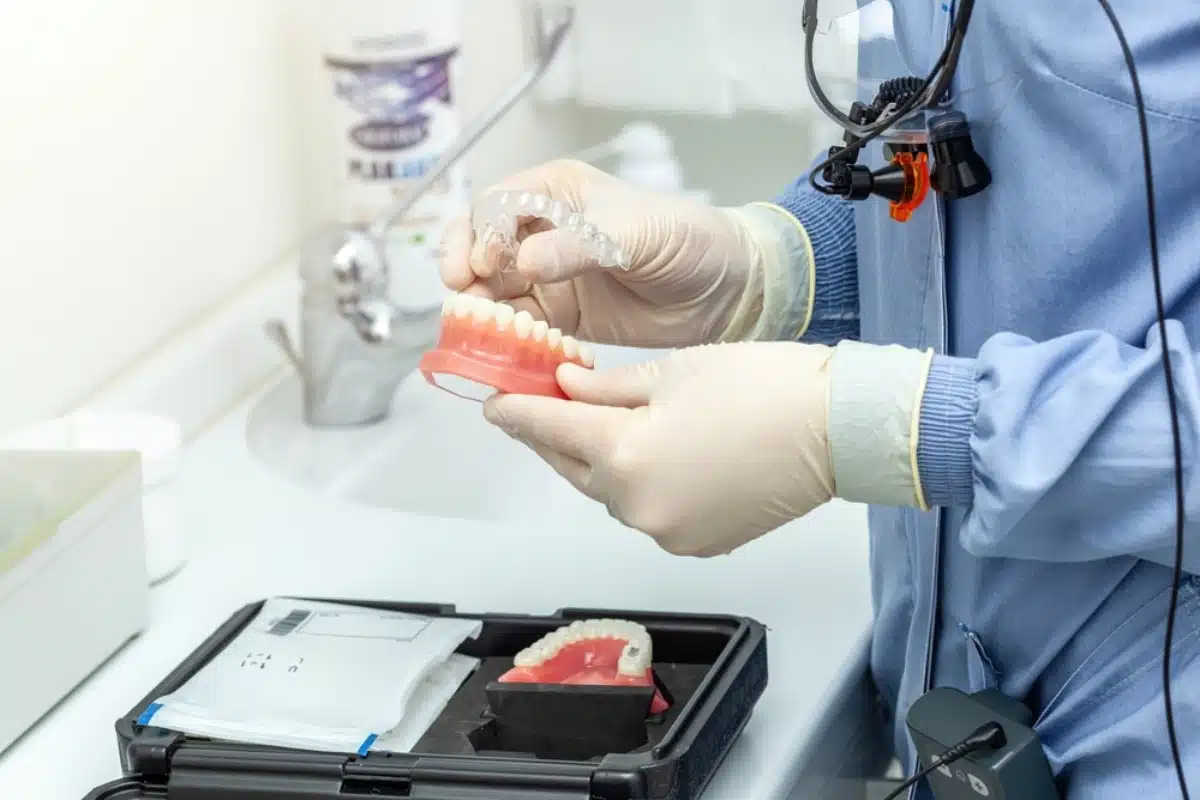
Orthodontic treatments, such as braces and aligners, correct misaligned teeth and bite issues. Properly aligned teeth facilitate effective chewing, reducing the burden on the digestive system. By addressing malocclusion, orthodontic treatments can prevent digestive problems related to poorly chewed food.
Restorative Dental Procedures
Restorative procedures, including fillings, crowns, and implants, repair damaged or missing teeth. These treatments restore the functionality of teeth, enabling thorough chewing and preventing digestive discomfort. By maintaining a complete set of teeth, restorative dentistry supports optimal digestive health.
The Broader Impact of Oral Health on Overall Well-being
Systemic Inflammation and Digestive Disorders
Oral health significantly influences systemic inflammation. Poor oral hygiene and untreated dental issues can lead to chronic inflammation, which is a known risk factor for various digestive disorders, including Crohn’s disease and ulcerative colitis. By maintaining good oral health, individuals can reduce systemic inflammation and lower the risk of developing these conditions.

Oral Microbiome and Gut Health
The oral cavity hosts a diverse microbiome that plays a crucial role in overall health. Imbalances in the oral microbiome can affect the gut microbiome, influencing digestive health. Dental treatments that promote a healthy oral microbiome can therefore support a balanced gut microbiome, enhancing digestive function.
Conclusion: Prioritizing Dental Care for Better Digestion
The intricate relationship between oral health and digestion underscores the importance of comprehensive dental care. By prioritizing dental treatments, we can enhance not only our oral health but also our digestive well-being. Regular dental check-ups, cleanings, orthodontic treatments, and restorative procedures are essential steps towards achieving optimal digestive health. Let us embrace a holistic approach to health by recognizing and nurturing the vital connection between our mouths and our digestive systems.
FAQs
Can dental hygiene alone improve digestion?
While good dental hygiene is essential, it alone cannot improve digestion. It must be part of a broader approach that includes proper nutrition and regular dental check-ups.
How often should I see a dentist for optimal digestive health?
Seeing a dentist every six months is typically recommended to maintain optimal oral and digestive health.
Are there specific dental products that help with digestion?
While no dental products directly aid digestion, those that maintain oral health, such as fluoride toothpaste and antiseptic mouthwash, can prevent issues that might affect digestion.
Can orthodontic treatments have immediate effects on digestion?
Orthodontic treatments can improve digestion over time as they correct misalignment, improving your ability to chew food properly.
How does stress affect oral and digestive health?
Stress can lead to poor oral hygiene and exacerbate digestive issues. Managing stress through healthy practices can benefit both your oral and digestive health.
Recent Post
December 18, 2025
Keep Your Aligners Clear, Comfortable, and Effective - A Guide From Woolaver Orthodontics

December 12, 2025
Christmas Foods That Can Damage Braces – Woolaver Orthodontics Explains

December 5, 2025
Smile Transformation with Orthodontics in 2026 – Phoenix Orthodontist Explains

November 26, 2025
How To Protect Your Smile With Orthodontic Treatments During the Holidays?

November 19, 2025
Is Your Braces Feel Tighter in Cold Phoenix Winters?
Categories
General dentistry (69)
Unable to locate Global Block : 83