
June 6, 2023
/

At some point in our lives, many of us consider dental braces to enhance our smiles and correct misalignments. Dental braces are not just for aesthetics but are an essential part of orthodontic treatment for improving oral health. In this guide, we explore the world of dental braces, helping you understand their types, benefits, and what to expect during the process.
Understanding Dental Braces
Dental braces are orthodontic devices designed to straighten teeth, correct bite issues, and enhance overall dental function. There are several types of braces available, each catering to specific needs and preferences.
Types of Dental Braces
1. Metal Braces (Traditional Braces)
Metal braces are the most common type of braces. They consist of metal brackets attached to each tooth and connected by wires. These braces are highly effective for a wide range of orthodontic issues.
- Durability: Metal braces are strong and less likely to break.
- Affordability: Often the most cost-effective option.
- Efficiency: Ideal for patients with complex dental issues.
2. Ceramic Braces
Ceramic braces work similarly to metal braces but use clear or tooth-colored brackets, making them less noticeable.
- Aesthetic Appeal: Blends with natural teeth for a discreet look.
- Comparable Effectiveness: Functions like metal braces but with a focus on appearance.
3. Lingual Braces
Lingual braces are placed on the inner side of the teeth, making them invisible from the outside. They are custom-made to fit the contours of each tooth.
- Invisibility: Completely hidden from view.
- Customization: Tailored to individual teeth for a precise fit.
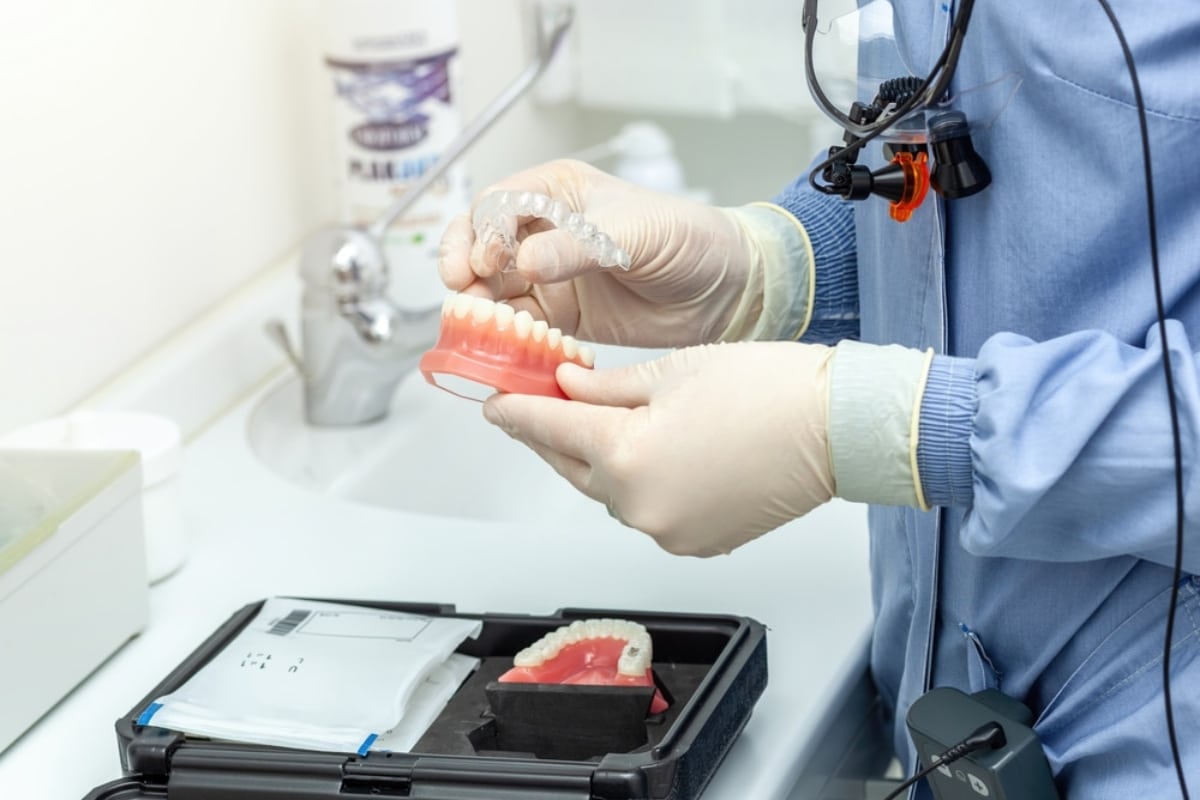
4. Invisalign (Clear Aligners)
Invisalign aligners are clear, removable trays that gradually straighten teeth. They offer a more flexible approach to orthodontic treatment.
- Comfort: No metal brackets or wires to cause discomfort.
- Removability: Aligners can be taken out for eating and cleaning.
- Aesthetic: Almost invisible, perfect for those who prefer discretion.
Who Needs Dental Braces?
Dental braces can correct a variety of orthodontic problems, including:
- Crooked Teeth: Misaligned teeth that affect your smile and oral function.
- Overbite: Upper teeth that extend too far over the lower teeth.
- Underbite: Lower teeth that protrude beyond the upper teeth.
- Crossbite: Misaligned bite where the upper and lower teeth don’t align correctly.
- Gaps: Spaces between teeth that may lead to issues with chewing and oral hygiene.
The Process of Getting Braces
1. Consultation and Assessment
The first step involves a thorough consultation with an orthodontist in Phoenix. During this visit, the orthodontist will assess your dental structure, take X-rays, and discuss your goals.
2. Customizing Your Treatment Plan
Based on your assessment, your orthodontist will develop a personalized treatment plan. This includes deciding on the type of braces and the expected duration of treatment.
3. Fitting the Braces
Once the plan is set, your braces will be fitted. This involves attaching the brackets to your teeth and connecting them with wires.
4. Adjustments and Check-ups
Over the course of treatment, regular adjustments will be made to ensure the braces are working effectively. These appointments are typically scheduled every 4-6 weeks.
5. Retention Phase
After the braces are removed, you will likely need to wear a retainer to maintain your newly straightened teeth and prevent them from shifting.
How Long Do You Need Braces?
The length of time you need to wear braces varies depending on the complexity of your case. Most patients wear braces for 1-3 years, followed by a retention phase to maintain the results.
Benefits of Dental Braces
Dental braces offer numerous benefits, including:
- Improved Oral Health: Straight teeth are easier to clean, reducing the risk of cavities and gum disease.
- Enhanced Appearance: A straighter smile boosts confidence and overall appearance.
- Better Bite Function: Correcting bite issues improves chewing and speech.
What to Expect After Getting Braces
1. Discomfort and Adjustments
It’s normal to experience discomfort in the first few days after getting braces. This can be managed with over-the-counter pain relievers and by eating soft foods.
2. Oral Hygiene Maintenance
Maintaining oral hygiene is crucial while wearing braces. Special tools like orthodontic brushes, floss threaders, and water flossers can help clean around brackets and wires effectively.
3. Dietary Adjustments
Certain foods should be avoided while wearing braces, such as:
- Hard foods (nuts, popcorn)
- Sticky foods (chewing gum, caramel)
- Sugary snacks (to prevent tooth decay around brackets)
Are There Any Risks Associated with Dental Braces?
While braces are generally safe, there are potential risks, such as:
- Tooth Decay: Poor oral hygiene can lead to decay around the brackets.
- Gum Issues: Inflammation or irritation of the gums can occur if not properly cared for.
- Relapse: Without proper retention, teeth may shift back to their original position.
The Future of Orthodontics: What’s Next for Braces?
Advancements in technology are continuously improving the field of orthodontics. Innovations such as 3D printing for braces, AI-driven treatment plans, and self-ligating braces are making treatment faster, more comfortable, and more precise.
Conclusion
Dental braces are a transformative treatment that not only enhances your smile but also improves overall dental health. Whether you’re considering traditional metal braces or modern Invisalign aligners, the journey to a straighter smile begins with understanding your options and consulting an experienced orthodontist. With the right guidance and care, dental braces can help you achieve the smile of your dreams.
Recent Posts
December 18, 2025
Keep Your Aligners Clear, Comfortable, and Effective – A Guide From Woolaver Orthodontics

December 12, 2025
Christmas Foods That Can Damage Braces – Woolaver Orthodontics Explains

December 5, 2025
Smile Transformation with Orthodontics in 2026 – Phoenix Orthodontist Explains

November 26, 2025
How To Protect Your Smile With Orthodontic Treatments During the Holidays?

November 19, 2025
Is Your Braces Feel Tighter in Cold Phoenix Winters?