
September 2, 2022
/
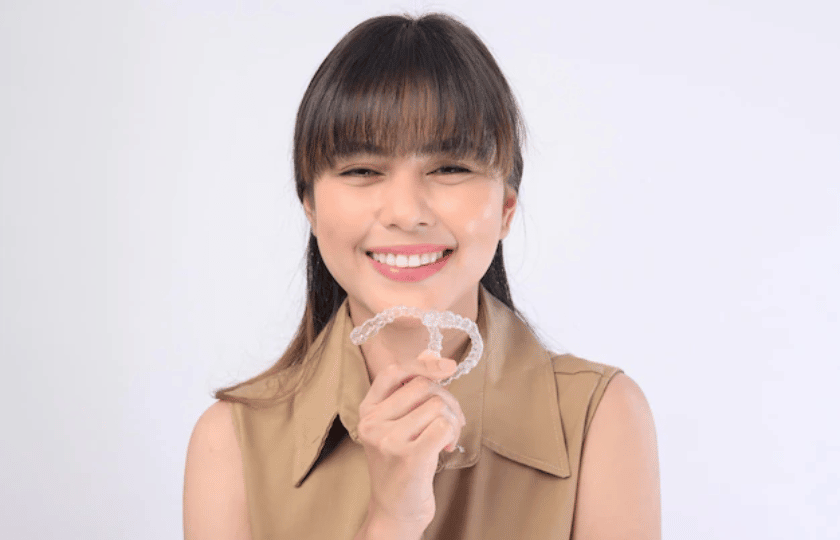
Invisalign is one of the most advanced solutions for achieving a straighter smile without the hassle of traditional metal braces. By using clear, custom-made aligners, Invisalign offers a nearly invisible, comfortable, and effective treatment for a variety of orthodontic issues. In this guide, we will explore how to maximize your Invisalign treatment, ensuring the best possible results.
How Invisalign Works: The Basics of Clear Aligner Therapy
Invisalign works by gradually moving your teeth into the desired position using a series of clear, removable aligners. Each set of aligners is worn for about two weeks, allowing for incremental changes to your teeth’s alignment. Over time, these small adjustments create a beautifully straight smile.
The process involves:
- Consultation: An orthodontist evaluates your teeth to determine if Invisalign is right for you.
- Custom Aligners: After digital impressions, custom aligners are made specifically for your treatment plan.
- Wearing Aligners: Aligners are worn 20-22 hours per day and are only removed for eating, drinking, brushing, and flossing.
- Progress Monitoring: Regular check-ups ensure the treatment is on track.
Who is Invisalign For? Ideal Candidates for Invisalign Treatment
Invisalign is suitable for both teens and adults with mild to moderate orthodontic issues such as:
- Crowded teeth
- Gapped teeth
- Overbite
- Underbite
- Crossbite
- Open bite
It is also a great option for individuals who prioritize aesthetics during their orthodontic journey.
The Benefits of Invisalign: Why Choose Clear Aligners Over Traditional Braces?
Invisalign offers several advantages over traditional metal braces, including:
- Aesthetic Appeal: Virtually invisible, making it a discreet option for teeth straightening.
- Comfort: Made from smooth plastic, Invisalign aligners are more comfortable than metal braces, with no wires or brackets to irritate the gums and cheeks.
- Removability: Aligners can be removed, allowing for easier oral hygiene and the freedom to eat what you like.
- Convenience: Fewer visits to the orthodontist compared to braces, as there are no wires to tighten.
Best Practices for Invisalign Care: Maximizing Treatment Success
To ensure the best results from your Invisalign treatment, it’s important to follow these guidelines:
1. Wear Your Aligners for 20-22 Hours Daily
The more you wear your aligners, the faster your treatment will progress. Wearing them for less time than recommended may lead to delays or ineffective treatment.
2. Clean Your Aligners Properly
Keeping your aligners clean prevents discoloration and bad breath. Here’s how to do it:
- Rinse them with lukewarm water every time you take them out.
- Use a soft-bristle toothbrush to gently brush them.
- Avoid using toothpaste, as it can scratch the plastic.
- Soak them in a designated Invisalign cleaning solution or a mild denture cleaner.
3. Stay on Track with Your Treatment Plan
Follow the recommended schedule for switching to new aligners. If you experience discomfort or feel that your aligners are not fitting correctly, consult your dentist immediately.
4. Maintain Good Oral Hygiene
Brush and floss regularly to avoid plaque build-up. Since aligners cover your teeth, any food particles or bacteria trapped underneath can lead to tooth decay or gum disease.
5. Use a Retainer After Treatment
Once your Invisalign treatment is complete, you’ll need to wear a retainer to maintain your new smile. Retainers keep your teeth in their new position and prevent them from shifting back.
Common Invisalign Mistakes to Avoid
1. Skipping Appointments
Although Invisalign requires fewer visits than braces, it’s crucial to attend all scheduled check-ups. These appointments allow your dentist to monitor your progress and make adjustments if necessary.
2. Not Wearing Aligners for Enough Time
Taking your aligners out too frequently can extend treatment time and reduce effectiveness. Remember, for the best results, wear them for at least 20 hours per day.
3. Drinking Sugary Beverages with Aligners In
When you drink anything other than water with your aligners in, you risk trapping sugar and acids between your teeth and aligners. This can cause cavities and discoloration.
4. Failing to Clean Aligners Regularly
Dirty aligners not only affect your oral health but also your breath. Regular cleaning prevents bacteria build-up and ensures a fresh and clean appearance.
Expected Invisalign Treatment Timeline
The length of Invisalign treatment varies depending on the complexity of your case, but most treatments take between 12 and 18 months. Here’s what you can expect:
| Phase | Timeframe | Description |
|---|---|---|
| Initial Consultation | 1-2 hours | Orthodontist evaluates teeth, takes digital impressions. |
| Custom Aligner Creation | 2-3 weeks | Aligners are manufactured based on your personalized plan. |
| Active Treatment | 12-18 months | Aligners are worn and changed every 1-2 weeks. |
| Retention Phase | Ongoing | Retainers are worn to maintain results after treatment. |
Can Invisalign Fix Severe Orthodontic Issues?
While Invisalign is highly effective for many cases, it may not be the best solution for severe orthodontic problems like extremely misaligned jaws or complex bite issues. In these cases, traditional braces or even surgical intervention may be necessary. Your orthodontist will provide the best recommendations based on your unique situation.
Cost of Invisalign: What to Expect
The cost of Invisalign varies depending on the complexity of your case, location, and the length of treatment. On average, Invisalign can range from $3,000 to $7,000. Many dental insurance plans cover a portion of the cost, and most orthodontic offices offer payment plans to make treatment more affordable.
Factors That Affect the Cost of Invisalign:
- Severity of the orthodontic issue
- Length of treatment
- Geographic location
- Dental insurance coverage
Comparing Invisalign to Other Orthodontic Treatments
When considering orthodontic treatment, it’s important to weigh the pros and cons of each option:
Invisalign vs. Traditional Braces
- Visibility: Invisalign is clear, while braces are made of metal.
- Comfort: Invisalign’s smooth plastic is less likely to irritate your mouth.
- Removability: Invisalign can be taken out for eating and cleaning, while braces remain fixed.
- Effectiveness: Braces may be more suitable for severe cases, but Invisalign is effective for most mild to moderate issues.
Invisalign vs. Clear Braces
- Visibility: Both are discreet, but Invisalign is fully removable.
- Comfort: Clear braces still have wires and brackets that may cause discomfort.
- Maintenance: Invisalign requires cleaning, while clear braces require adjustments.
Conclusion: Achieve a Beautiful Smile with Invisalign
Invisalign is an excellent choice for individuals seeking a discreet, comfortable, and effective way to straighten their teeth. By following the best practices outlined above, you can maximize your Invisalign results and enjoy a beautiful, healthy smile for years to come.
Recent Posts
December 18, 2025
Keep Your Aligners Clear, Comfortable, and Effective – A Guide From Woolaver Orthodontics

December 12, 2025
Christmas Foods That Can Damage Braces – Woolaver Orthodontics Explains

December 5, 2025
Smile Transformation with Orthodontics in 2026 – Phoenix Orthodontist Explains
November 26, 2025
How To Protect Your Smile With Orthodontic Treatments During the Holidays?

November 19, 2025
Is Your Braces Feel Tighter in Cold Phoenix Winters?