
September 12, 2025
Orthodontics
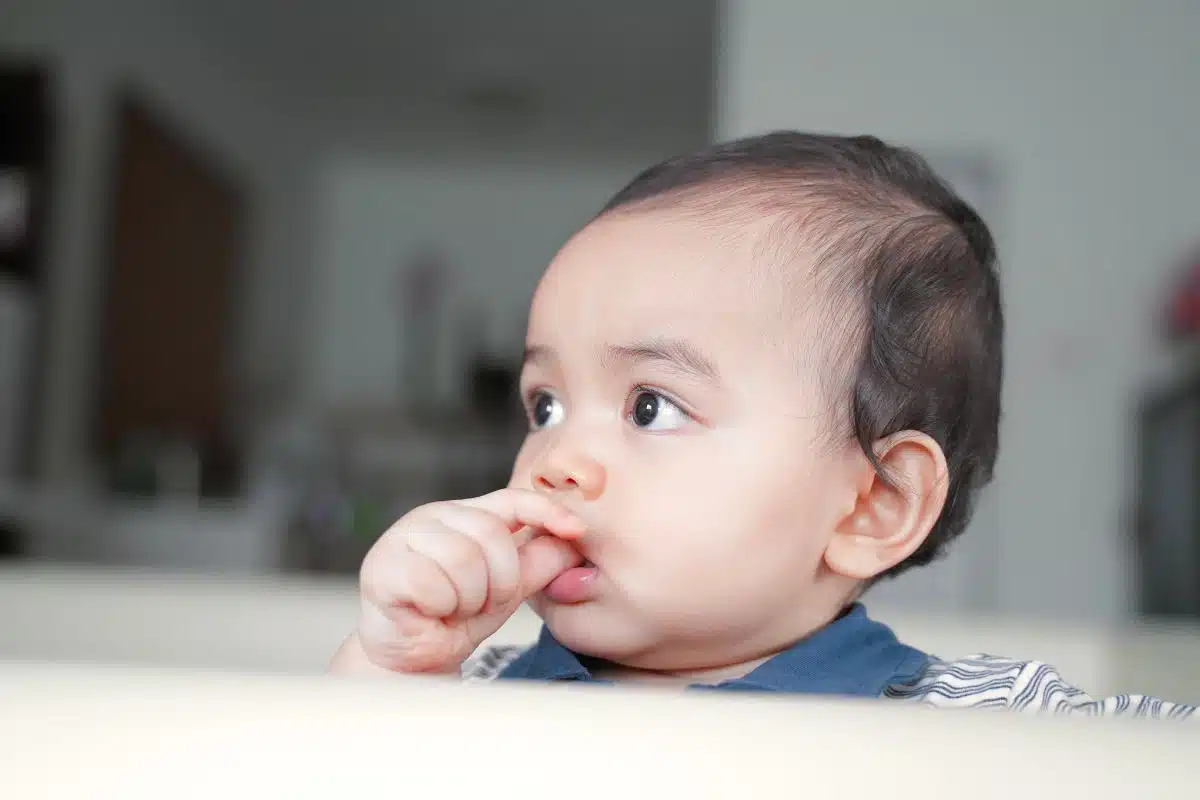
When we think about how a child’s jaw develops, we usually assume it’s all about genetics. If Mom had a narrow jaw or Dad needed braces, then it’s just a matter of time, right?
But there’s more to the story. But there’s more to the story. At Woolaver Orthodontics, we often see kids whose jaw growth is misaligned due to habits that many parents don’t realize are a problem. Some of these habits seem harmless, some even look cute when they’re young, but over time these habits quietly shift the way the jaws form, the bite comes together, and even how a child breathes or speaks.
In this post, we’ll explore a few everyday behaviors that can actually impact your child’s jaw development, how to spot them early, and what to do if you’re concerned.
Top 5 Everyday Habits That Affect Your Child’s Jaw Development
1. Mouth Breathing
Mouth breathing is more common than you might think, and while it may seem like a simple quirk, it can have a significant effect on facial growth.
When a child consistently breathes through their mouth instead of their nose, especially during sleep, it changes the position of the tongue and jaw. Instead of the tongue resting against the roof of the mouth (which encourages wider, healthier jaw growth), it sits low, and the jaws may develop more narrowly.
Over time, this can lead to:
- A longer, more narrow face shape
- Crowding of the teeth
- Open bite or crossbite
- Postural changes
Parents should watch for signs like snoring, dry lips, a frequent stuffy nose, or sleeping with their mouth open.
2. Thumb Sucking and Finger Habits
This one doesn’t come as a total surprise to most parents, but many aren’t sure when it actually becomes a problem.
Thumb or finger sucking beyond age 3 or 4 can start to interfere with the growth direction of the upper jaw and the positioning of the front teeth. It’s not about the teeth sticking out, it’s the shape of the bone that can change.
Some long-term effects include:
- Protrusion of upper front teeth
- Open bite (where the top and bottom front teeth don’t touch)
- Narrow palate
- Changes in speech patterns
What to watch for: Habit continuing past preschool years, especially during naps or bedtime, or signs of front teeth starting to angle outward.
3. Prolonged Use of Pacifiers or Bottles
Just like thumb sucking, pacifiers and bottles can impact oral and jaw development if used too long.
Pacifiers can be a helpful soothing tool early on, but extended use can cause the same that thumb sucking does. The same goes for bottles, like if a child continues using one well past the infant stage.
Possible concerns include:
- Open bite or improper bite alignment
- Delayed speech development
- Tongue thrusting patterns
To avoid these issues, parents should avoid giving pacifiers past toddlerhood, stop bottle-feeding during the day after age 2, and help their child transition to using cups.
4. Tongue Thrusting
This is a lesser-known but very important habit that can quietly interfere with proper jaw growth.
Tongue thrusting happens when a child pushes their tongue forward against the teeth when swallowing or speaking. This forward pressure over time can lead to open bites, spacing between teeth, and poor tongue posture if it continues through childhood.
Parents should look if their child has gaps between front teeth, lisping, or exaggerated tongue movement while speaking or swallowing.
5. Poor Posture
Believe it or not, the way a child supports their head and neck can affect how their jaws develop
Slouching or forward head posture can place strain on the jaw joint (TMJ) and lead to asymmetrical growth, especially if it’s combined with other habits like mouth breathing. The head and jaw are more connected than many people realize.
Parents should pay attention to their child’s posture, such as how they sit, if they tilt their head forward when using devices, or if they are experiencing any discomfort.
How Early Detection Can Improve Your Child’s Jaw Development
When habits like mouth breathing, thumb sucking, or tongue thrusting are caught early, simple changes, such as myofunctional therapy or habit-retraining techniques can support proper jaw function and facial development. In some cases, early orthodontic evaluation may be recommended to monitor growth patterns and identify potential concerns before they become more severe.
Early detection isn’t about rushing into treatment, it’s about understanding how your child is growing and making informed decisions during the most important years of jaw and facial development.
Concerned About Your Child’s Jaw Development? Contact Woolaver Orthodontics in Ahwatukee, Phoenix
It’s easy to miss some of these subtle habits, especially when life gets busy. But if you’ve noticed any of the signs above or if your child seems to have difficulty breathing through their nose, chewing comfortably, or closing their lips, you don’t need to wait for all the permanent teeth to come in.
Schedule a consultation with us today to meet Dr. Woolaver. At Woolaver Orthodontics, we’re here to help you navigate your child’s growth with expert care and honest answers. Our team will take the time to evaluate your child’s bite, jaw development, and oral habits.
Get direction to our orthodontic office in Ahwatukee, Phoenix here.
Frequently Asked Questions
1. Can jaw development issues fix themselves as my child grows?
Not always. While some minor issues may improve with growth, many jaw development problems caused by habits like mouth breathing or thumb sucking can actually become more noticeable over time. Early monitoring helps determine whether the issue needs guidance or can be left alone.
2. At what age should I be concerned about my child’s oral habits affecting their jaw?
By age 3 to 4, habits like thumb sucking, extended pacifier use, or mouth breathing may begin to influence jaw growth. If these behaviors continue beyond the preschool years, it’s good to have them evaluated if your child still has baby teeth.
3. Is thumb sucking worse than pacifier use for jaw development?
Both can have similar effects if they continue too long, but thumb sucking can be harder to stop because it’s always available to the child. Either habit can affect the alignment of the teeth and shape of the upper jaw if it persists beyond early childhood.
4. What are signs my child’s jaw isn’t developing properly?
Some early signs include an underbite or overbite, difficulty closing the lips comfortably, open-mouth posture, snoring, speech issues, or crowding of baby teeth. If you notice any of these, it’s worth getting a professional opinion.
Recent Post
December 18, 2025
Keep Your Aligners Clear, Comfortable, and Effective - A Guide From Woolaver Orthodontics

December 12, 2025
Christmas Foods That Can Damage Braces – Woolaver Orthodontics Explains

December 5, 2025
Smile Transformation with Orthodontics in 2026 – Phoenix Orthodontist Explains
November 26, 2025
How To Protect Your Smile With Orthodontic Treatments During the Holidays?
November 19, 2025
Is Your Braces Feel Tighter in Cold Phoenix Winters?
Categories
Orthodontics (38)
Unable to locate Global Block : 83